Diversity Hiring Is Only the Beginning

I love my job. I work with organizations on a wide range of complex and not-so-complex leadership and talent issues. In the past year, the hot topic has been—you guessed it—diversity, equity, and inclusion (DEI). As a Black HR exec, I feel very comfortable offering counsel and perspectives in this space; I have firsthand experience both as an employee and an HR leader with the very issues I’m asked to explore as a consultant. As organizations wrestle to become more inclusive (or, in some cases, at least appear to be more diverse), the first place most turn to is diversity hiring.
I often hear organizations say:
“We need to hire more diverse employees.”
“We can’t find people of color to hire.”
“Why don’t the people of color we hire stay?”
Building a more diverse workforce is a great place to start as you think about building a more inclusive organization to help you achieve business goals. Diverse teams with varied perspectives can absolutely be a competitive advantage. Diverse teams have been shown to be more innovative and drive exceptional performance.
But here’s the deal: Hiring a diverse workforce is just the first step. If you are truly trying to create an inclusive organization, here are a few more considerations.
Be clear on why diversity matters at your organization.
Before you get to the hiring agenda, know your “why.” I can’t emphasize this point enough. The fact that you are ready to make critical changes to your talent pool is great, but be sure you communicate to your current team members why diversity matters and your plan to make it happen, because these new, amazing team members will work with your entire staff, not just you. They will quickly see and feel if their teammates or manager don’t buy into the plan. That skepticism is likely to affect their ability to do the job they were hired for, and if that happens, they will leave. Their departure can actually harm your efforts among other employees. (“See? I knew this wouldn’t work. People of color don’t stay!”) It might lead to frustration with your lack of progress or even result in a tarnished employer brand. (“That company does not value diverse talent.”)
To set the stage, spend time thoughtfully and honestly analyzing your culture by asking questions: Why do employees join our organization? Who do we promote? What do people outside our organization say about us? Listen for statements like: “I get that we want to hire diverse talent, but let’s be sure we don’t lower the bar.” Sadly, I hear this kind of comment all too often. If you do as well, as a follow-up, try asking a question like, “Can you say more about your comment? What’s the connection between diverse talent and lowering the bar?” Sometimes on the journey to an inclusive culture, you are going to have to call some things out. It’s how we learn and grow and change.
When you get clear on what matters most at your organization and what you stand for, communicate it! And when you do, be prepared for some employees to choose to leave. Your values and theirs may not align, and that is OK. We all must find the place that meets our needs, and that is unique to us.
Managers matter.
All. The. Time. Please do not hire someone who you are excited about and then have them work for someone who has not demonstrated strong people-development skills. Just because a leader gets business results, it does not mean they will be joining the Best Manager Ever Club. Managing others is a skill that many people in management don’t have. Take the time and money to ensure your managers have the skills to lead and support your company goals and culture. Putting a group of diverse team members in a room and believing they will magically create award-winning strategies and solutions will not work. Teams need time and tools to become the very best they can be.
Focus on retention.
Diversity hiring should be about removing bias from your hiring processes. As I’ve said, hiring is great; retention is better. I see organizations spending a ton of time and resources on the recruiting process and zero energy on what happens after your new hire says “yes.”
It takes planning to make sure people will actually stay to accomplish all the great things you have planned for them. Set up your leaders and their new team members for success: Have a 90-day onboarding plan that supports integration into your organization. Provide mentors. Hire an onboarding coach. Align new leaders with your best managers of people. Think about what your new team member needs to know and who they need to meet to be successful in your organization. (Tip: This works well with any new leader/senior leader you hire, not just people of color.)
If you are on a true journey, please consider these three points. If you are on a pretend, performative journey to an inclusive workforce, these points won’t matter. True intentions almost always become clear.
Developing leaders who support and strengthen other strong, inclusive leaders is my pleasure. And if you’re running an organization or leading a team, it’s your imperative.
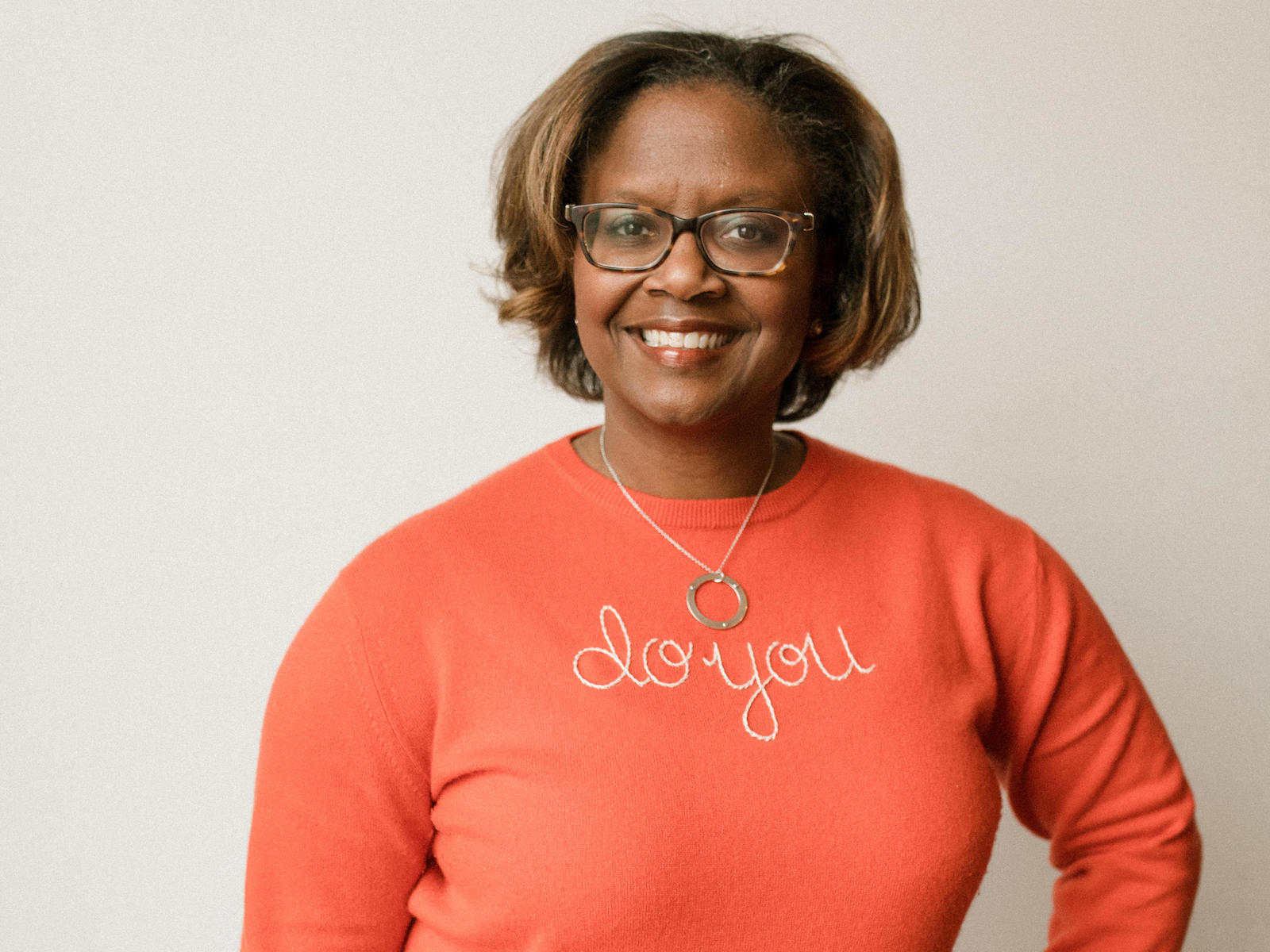
Stephanie Pierce is a connector, coach, and founder of two Minneapolis-based businesses, KJP Consulting, a leadership development firm, and stephpierce.com, a community of diverse women inspiring each other to do the work they love. She co-hosts the podcast Her Next Chapter.