Work In Office, Cash Out?
The pandemic forced white-collar employees to work remotely. But when it was safe to return to communal work, some employees looked askance at going back to the office. Employees sorted themselves into three groups based on preferred schedules—fully remote, hybrid, and in-office.
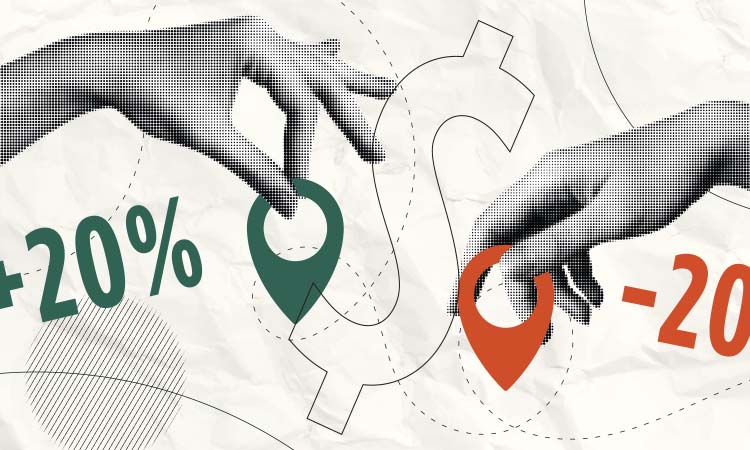
A recent survey by human resource and talent recruiting consultant Robert Half found that 55% of Minneapolis-area managers were willing to increase starting salaries for professionals who work on-site. “On average, we’re seeing some new hires earning up to 20% more for in-office roles,” the talent management company reported.
Alan Benson, a University of Minnesota associate professor who researches employee compensation, says the Robert Half findings document a shift in thinking among employers. In the early pandemic, employers were pleased that remote workers were hitting “productivity metrics.” But that’s changing, Benson says.
“They don’t just talk about hitting specific [metrics] for any one job,” he says. “They also talk about the importance of creativity, about mentoring the next generation of workers and leaders, and about having the right kind of culture.” He adds that many executives concluded they needed to have workers in-office for the long-term health of their business.
A variety of industries are willing to pay in-office workers more money, says Jennifer Carlson, Robert Half’s regional director for the Twin Cities metro market. But that’s not the case in manufacturing or health care, where most employees must work on-site by necessity.
Larger companies have more financial resources and may pay in-office premiums, Carlson says. “Those smaller companies are just willing to wait,” she says.
Carlson adds that over the past six months, Robert Half’s clients have said they want more contracted work to be done on-site. Contract workers whom Robert Half places are requesting more money to do so, she says.
If the same work is being performed but pay is based on where the work is done, it could create a two-tier compensation system. Two-tier pay structures have also surfaced when unions have accepted concessions in tough economic times. “It’s always incredibly bad for morale,” Benson says. But in the current scenario, he adds that some workers might be willing to be paid less for the benefit of working from home.