Women in Leadership: Building Better Pipelines
Gender parity in corporate America is still a long way off. Recent research by St. Catherine University showed that in 2023, only 23.1% of executive officers at Minnesota’s largest publicly traded companies were women. That’s barely budged from 22.7% in 2019, reflecting “stagnant growth,” researchers said.
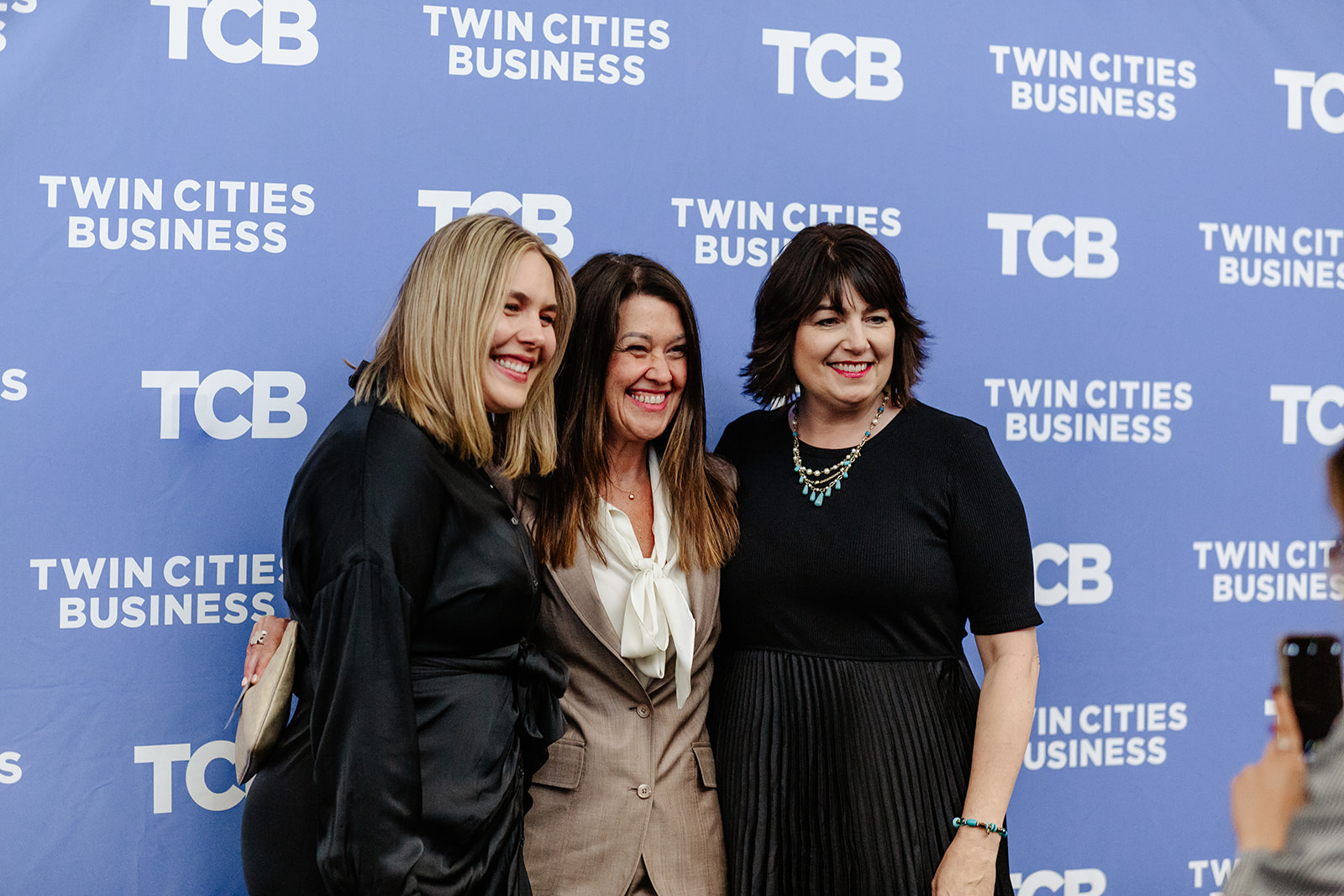
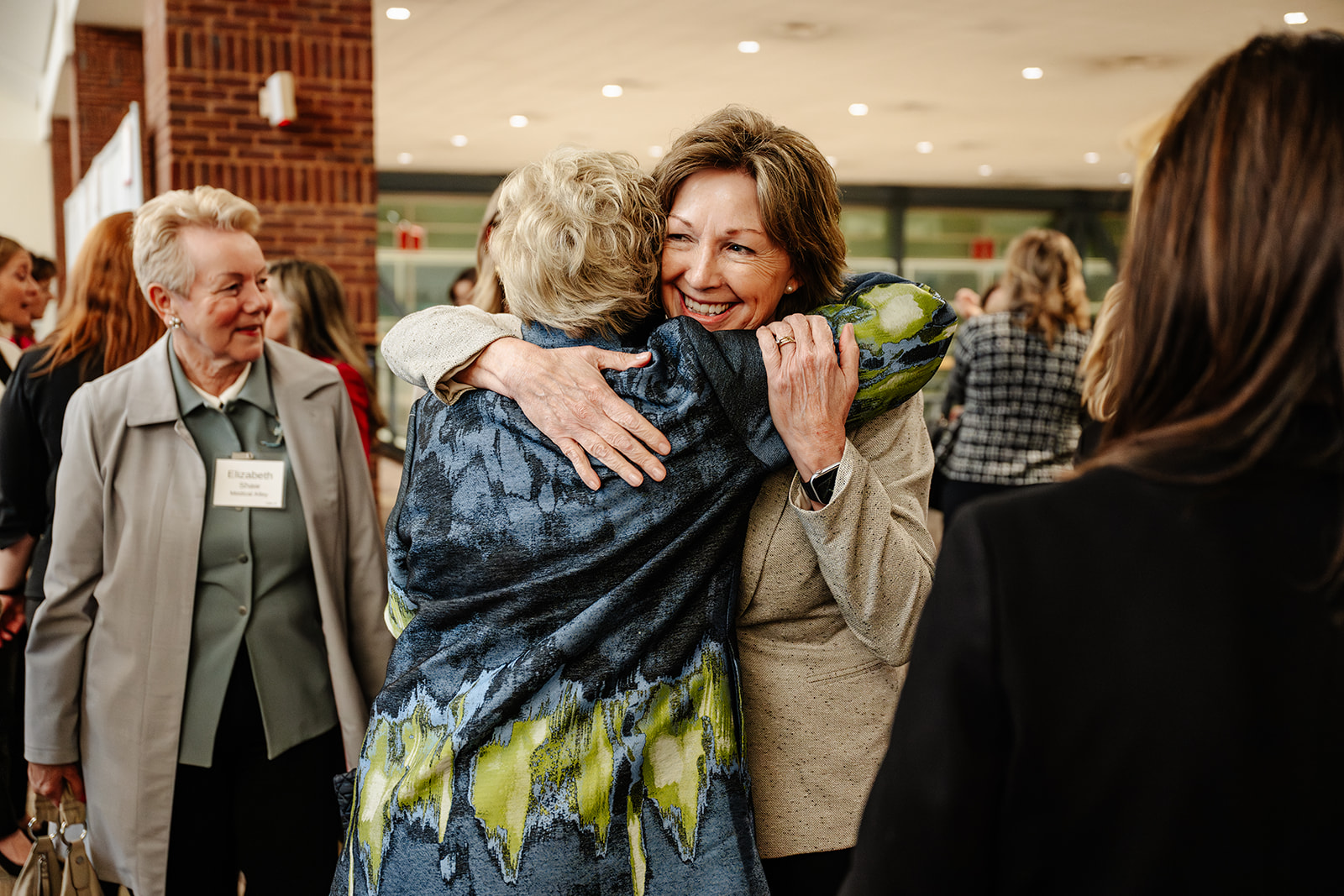
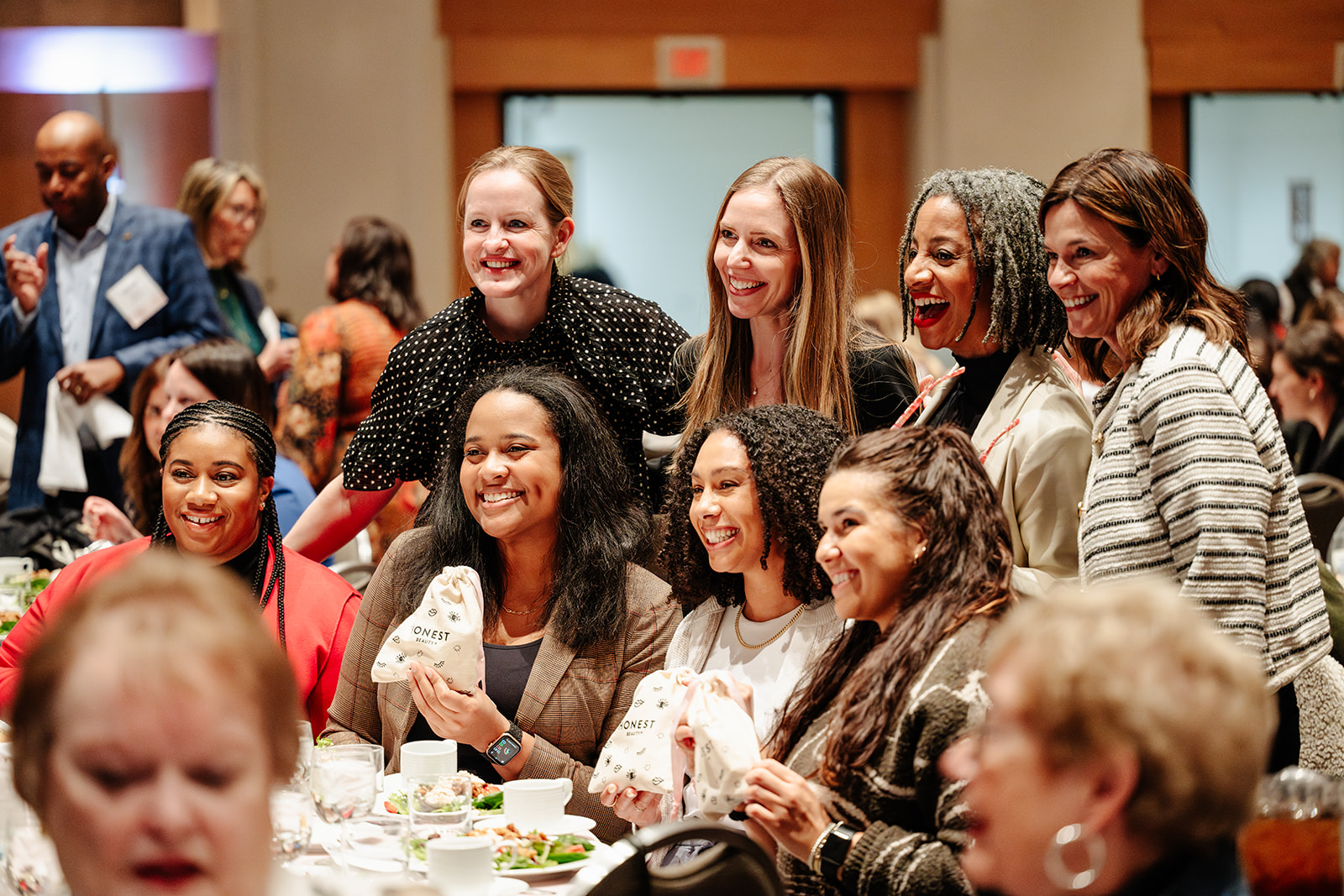
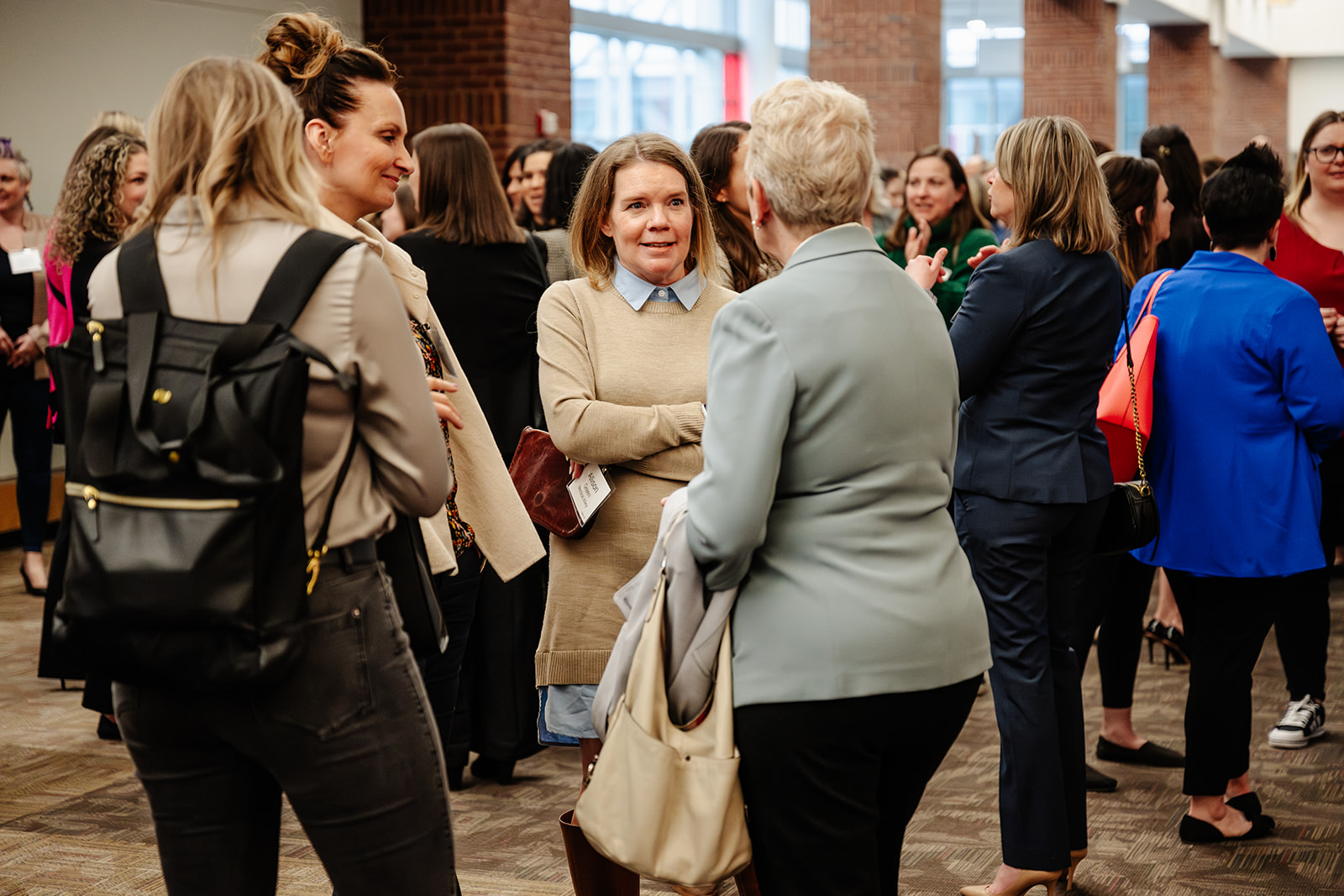
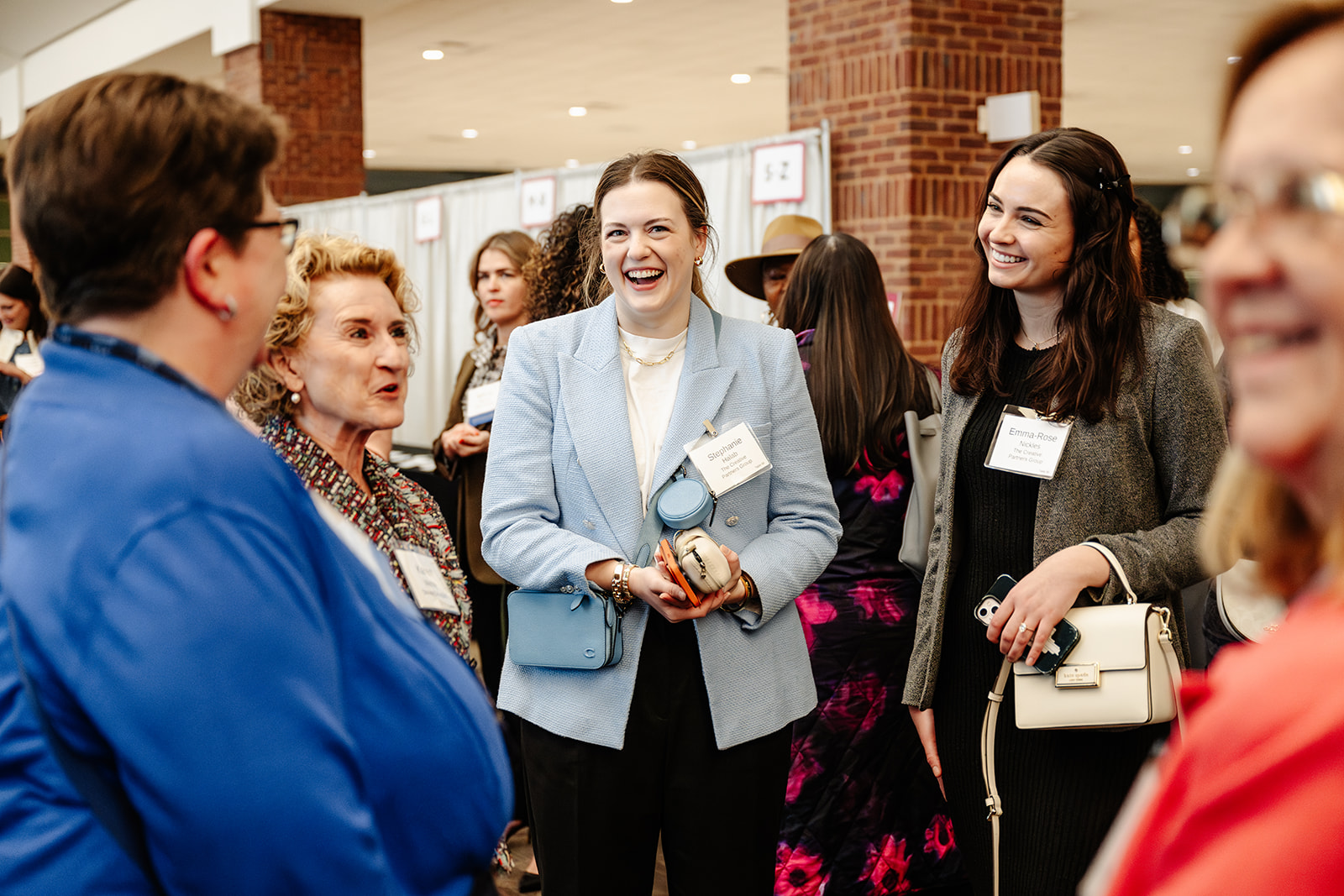
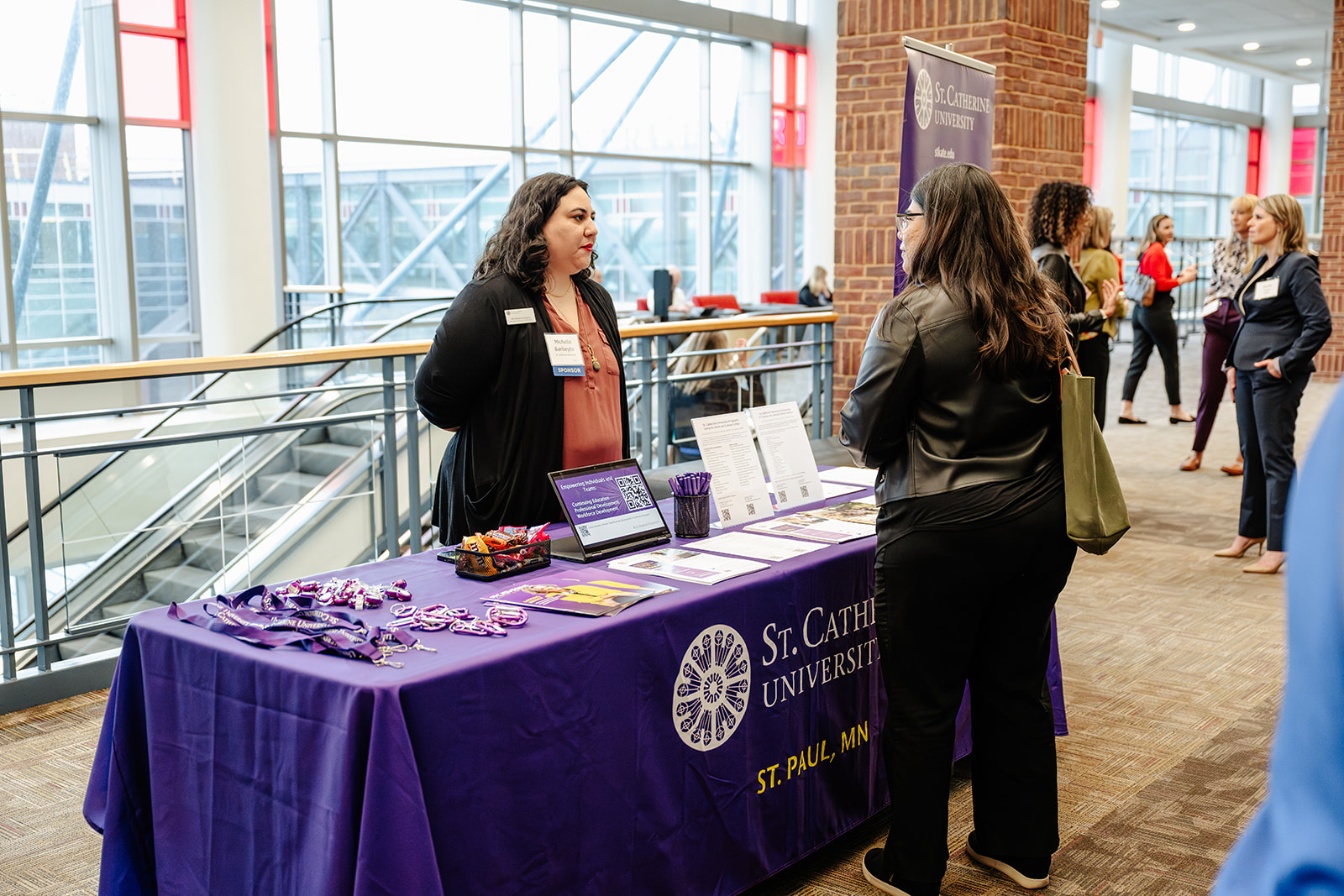
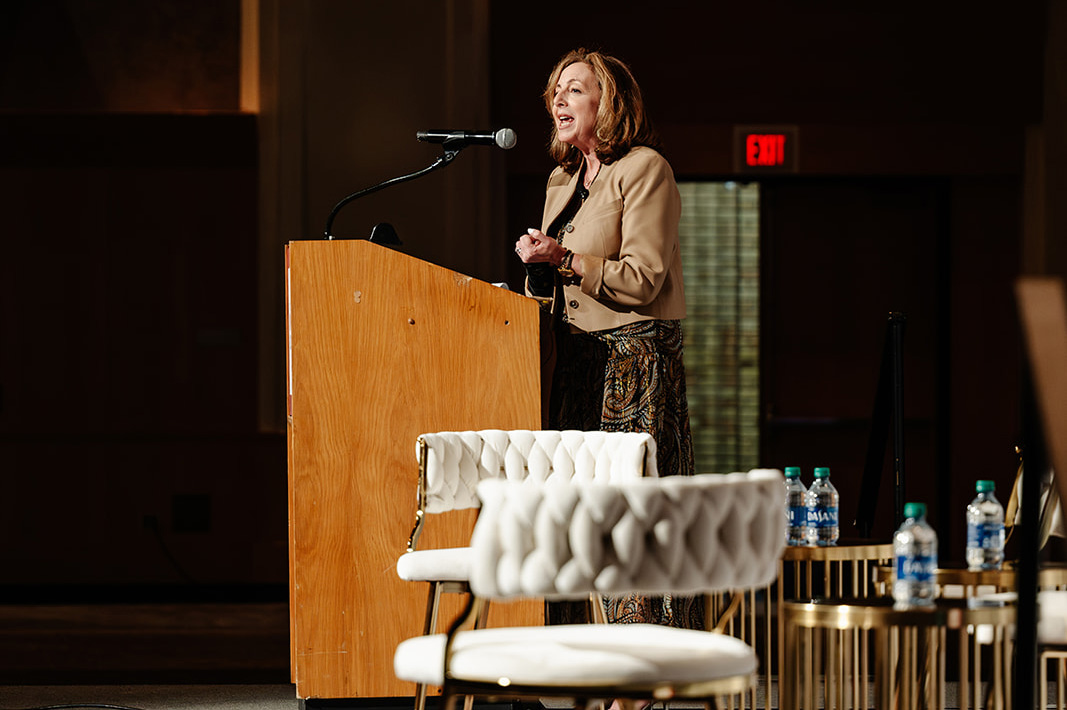
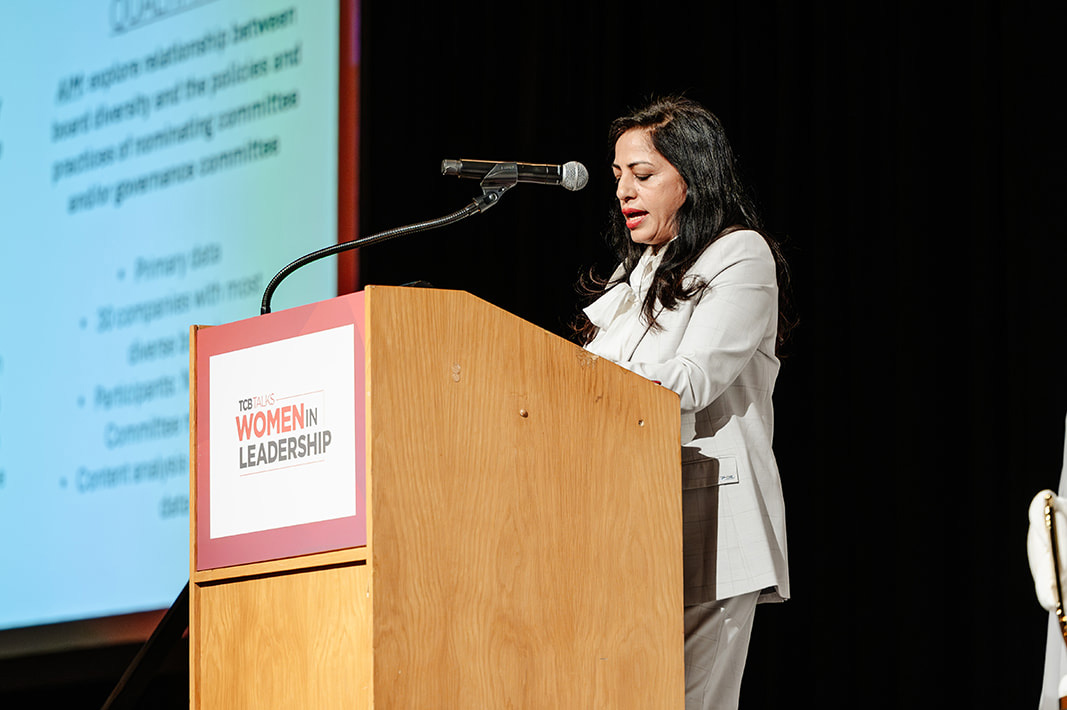
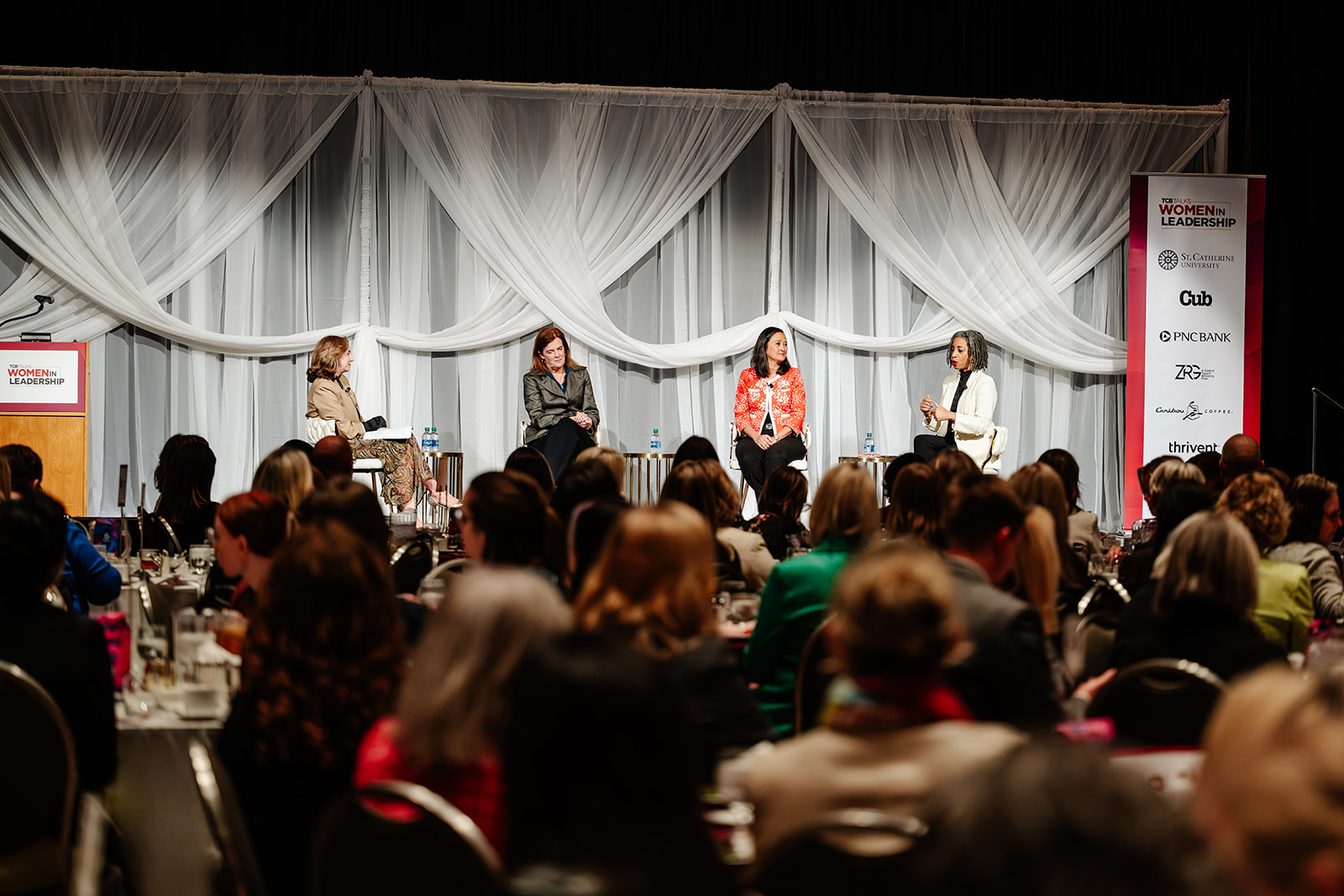
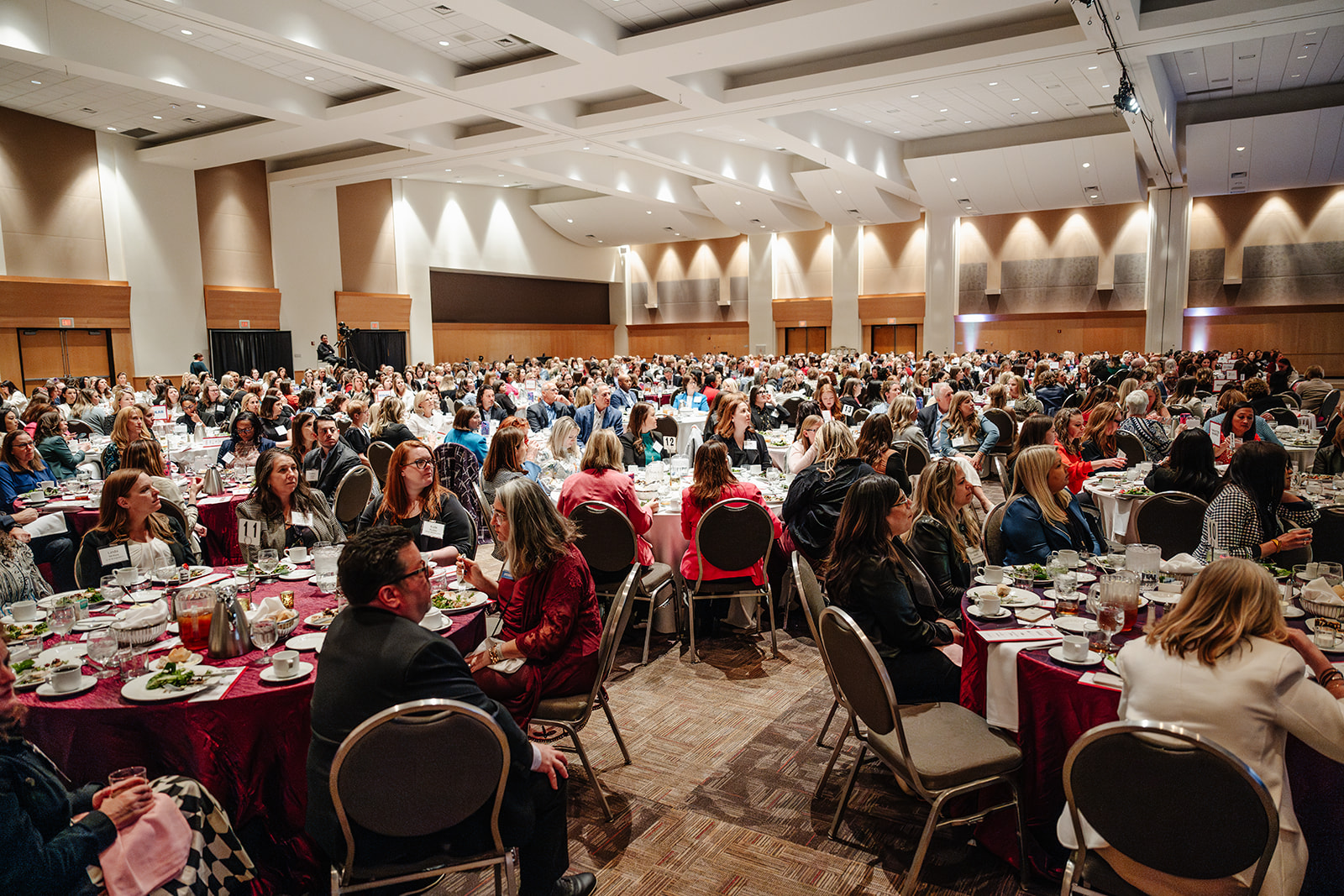
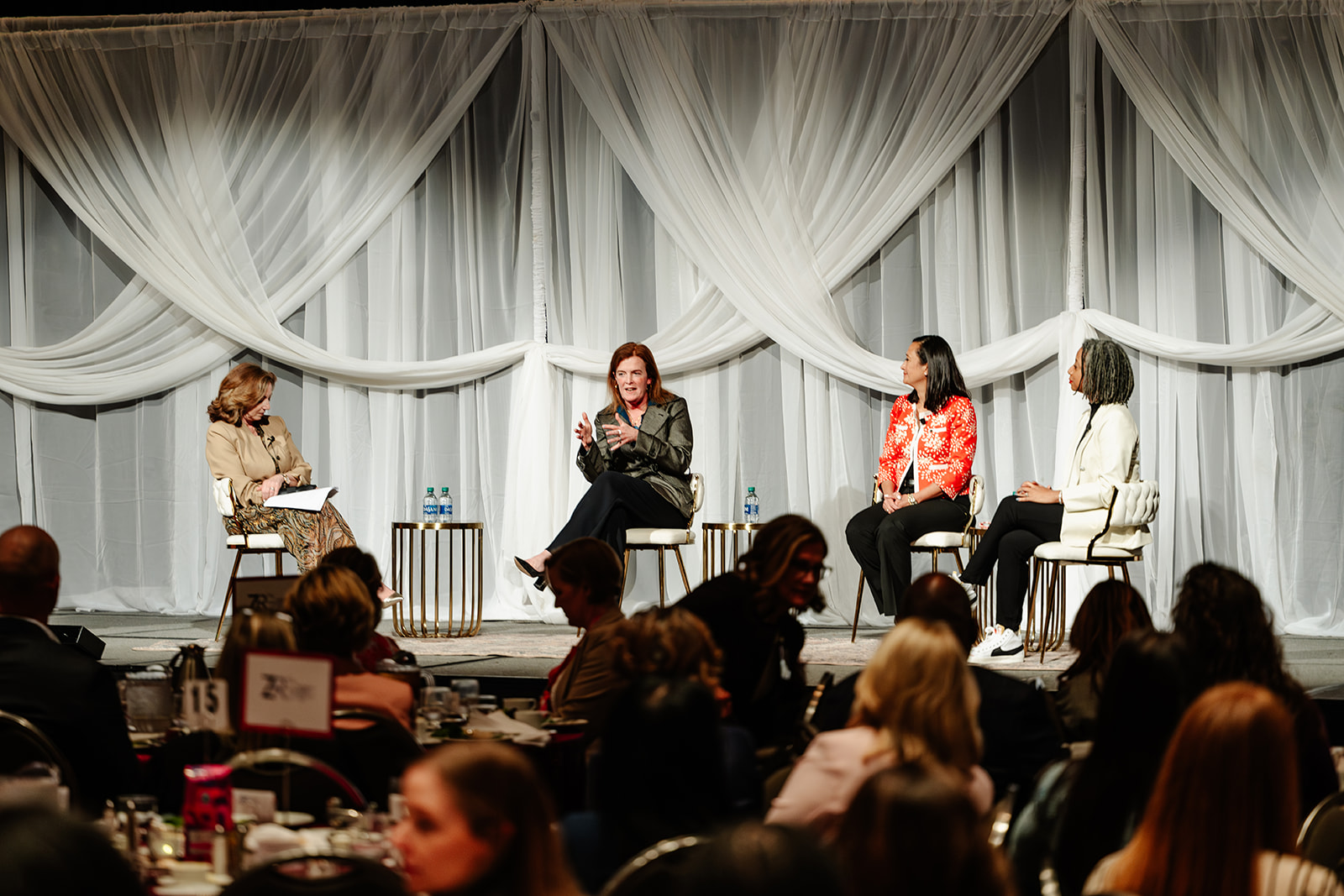
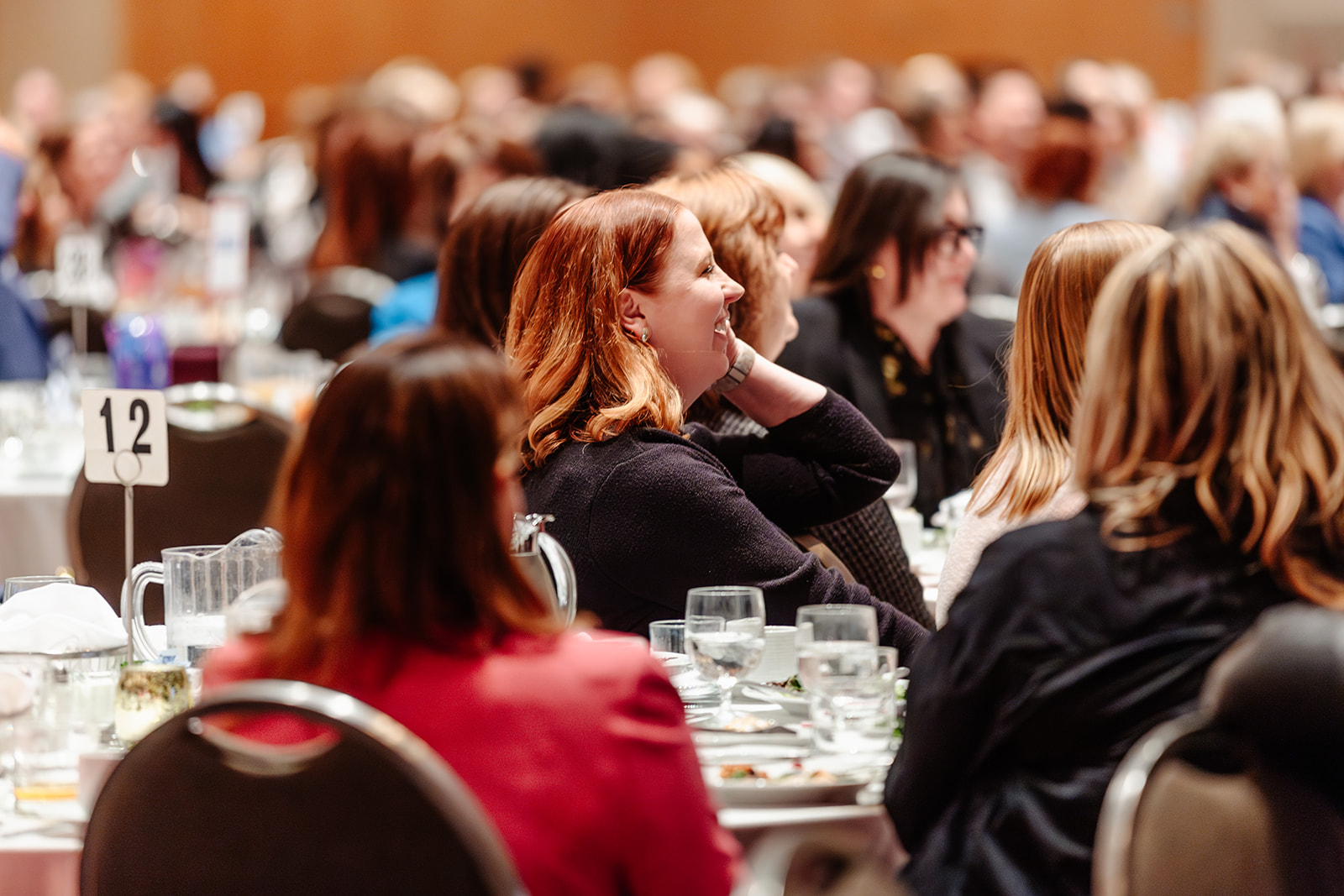
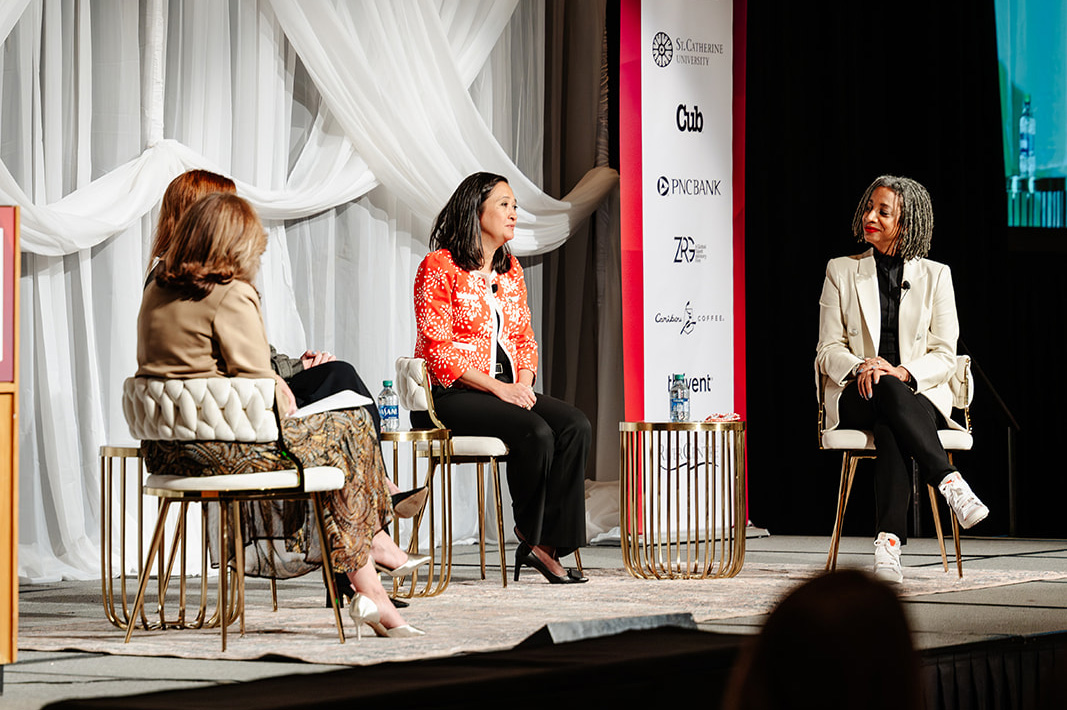
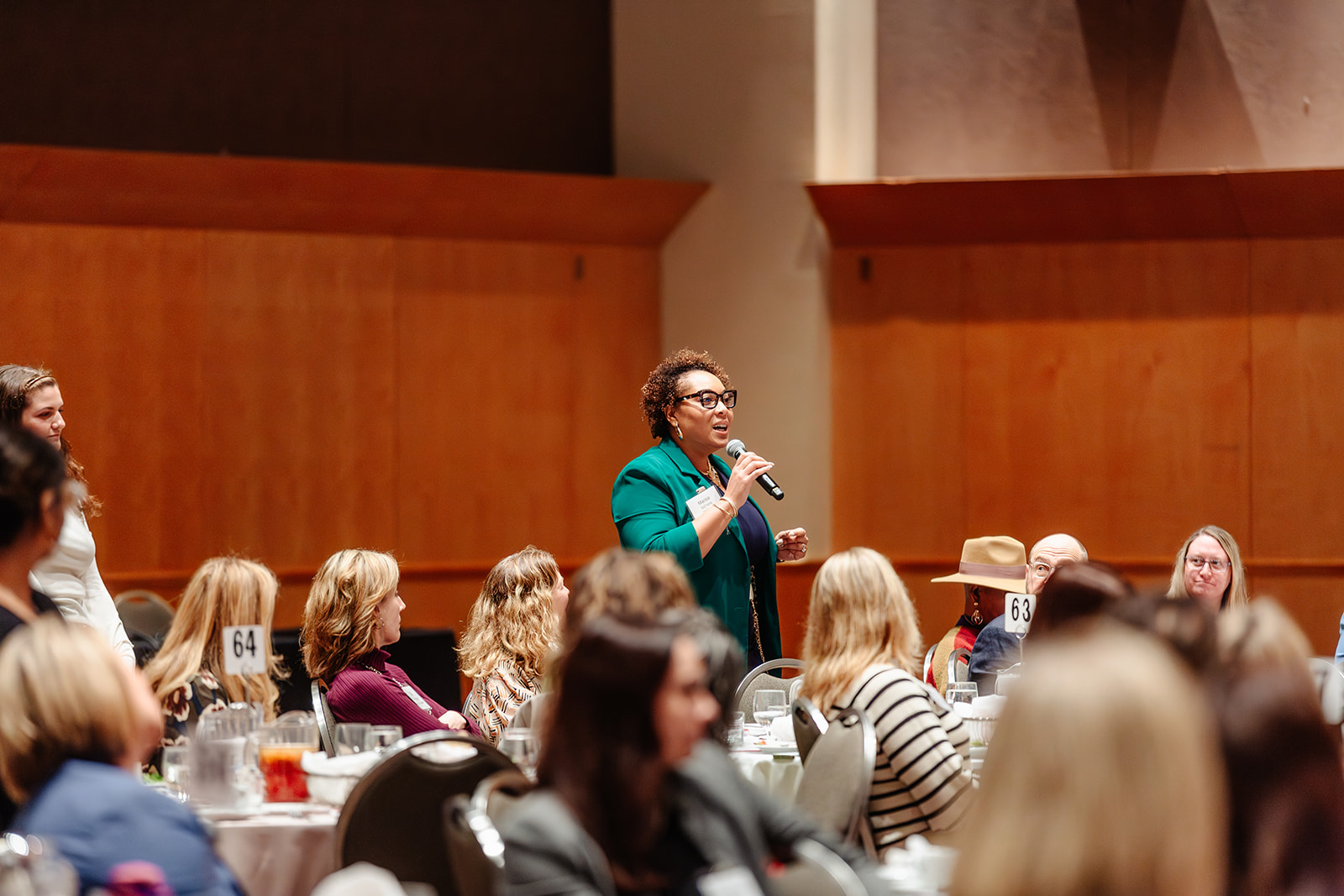
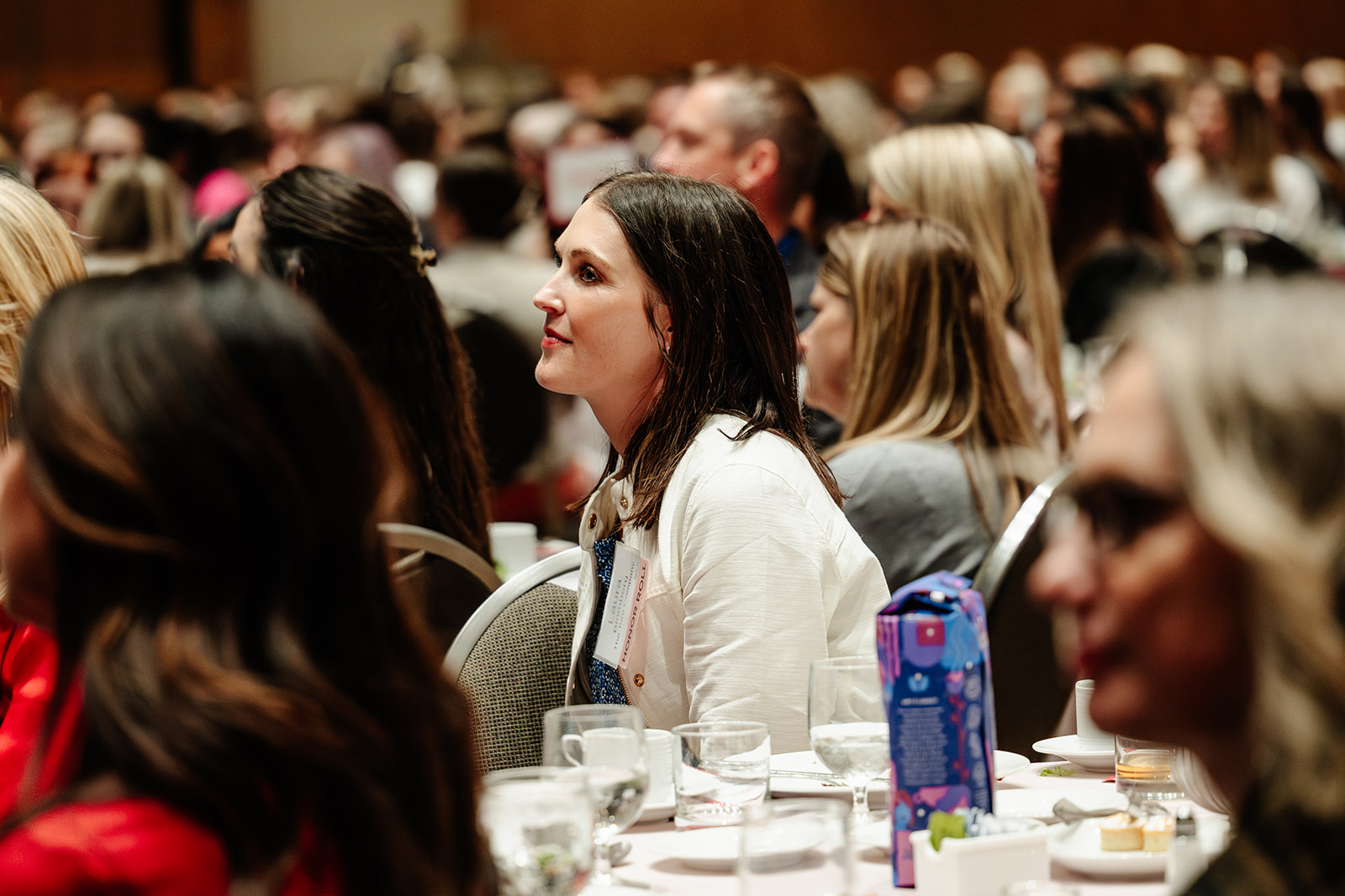
What will it take to boost the number of women in high-ranking roles? A trio of panelists took on that question and many more at TCB’s 13th annual Women in Leadership event at the Saint Paul RiverCentre on April 16. More than 600 people attended the event.
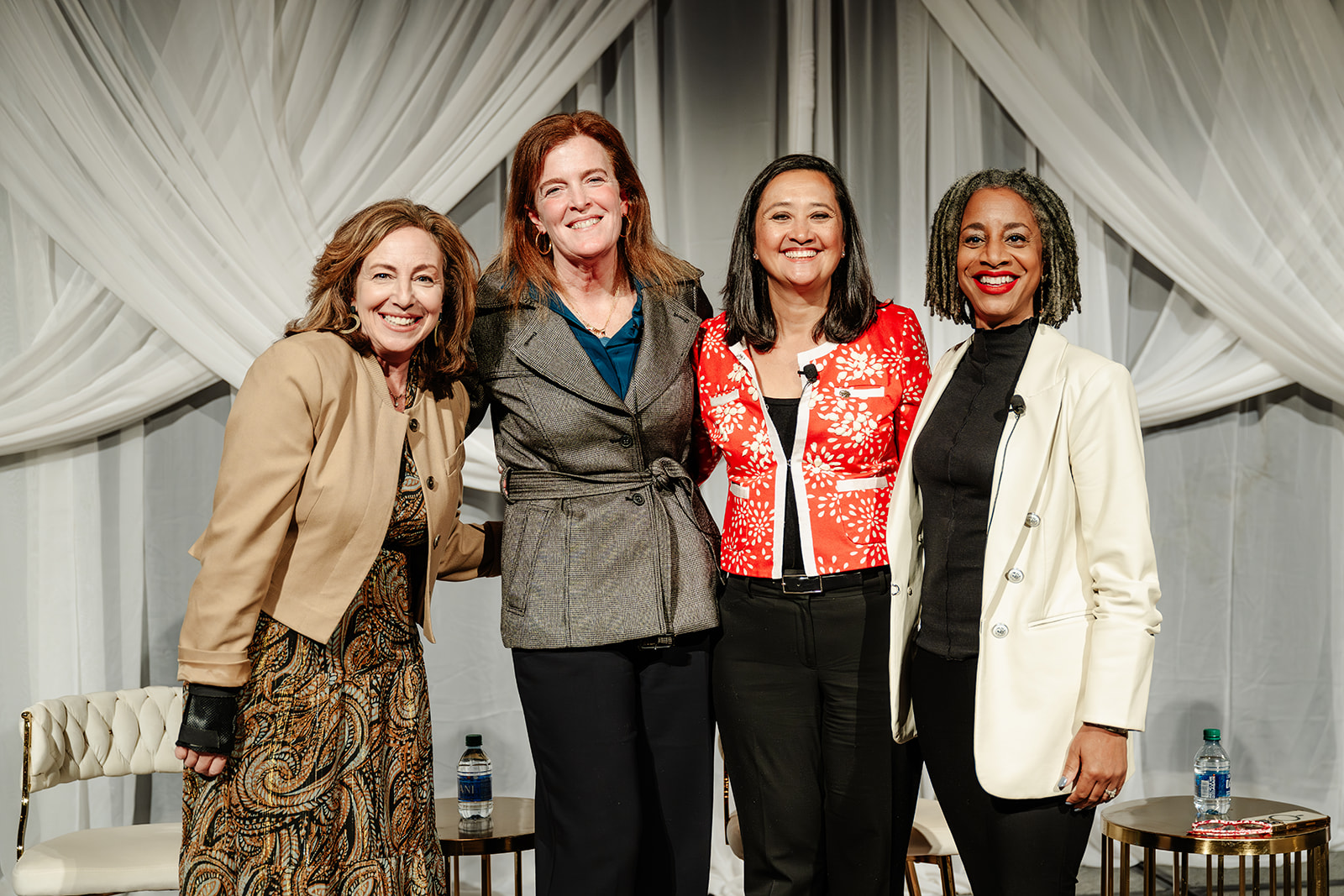
TCB editor-in-chief Allison Kaplan moderated the discussion between General Mills general counsel and secretary Karen Wilson-Thissen, Ecolab senior VP and general manager Natasha Chen, and The Honest Co. CEO and board director Carla Vernón.
All three panelists agreed that they feel a personal responsibility to bring more women into leadership roles.
“I’m always thinking about building the talent pool behind me and getting people ready for anything that might come,” said General Mills’ Wilson-Thissen, who said she had another employee in line to take over as general counsel at Ameriprise, her former employer. “Development is one of the funnest things you get to do at our level.”
Vernón said “developing the pipeline” is important for her, too. In some cases, that means advocating for junior employees and pushing them into “jobs that might be a stretch,” she said.
“We’re going to have to break the barriers of what people’s conventionally held beliefs are,” Vernón said. She said that sometimes, it’s a matter of helping others understand that “maybe the conventional beliefs were the problem, not the pipeline.”
Do women stand a better chance of advancing in the hybrid era? The response to that, as TCB has reported in the past, has been mixed. Chen, a mother of teen twins, said there are lots of positives to a more flexible work environment. But she and others also said it has been more difficult to develop rapport with colleagues in the hybrid age.
“As a working mom, I’m thrilled at hybrid,” said Chen. “I love that hybrid is an understood model. … but I do find it kind of lonely sometimes working from home.”
Chen said the birth of her twins reinforced the need for support. “If someone offers you help,” she told attendees, “take it.”
Wilson-Thissen, who started her job at General Mills in June 2022, said that it “took me so much longer to form my network and connections” in the hybrid era. “I felt like a superhero without my superpowers a little bit. I think I underestimated the groundwork you have to do to establish relationships.”
Still, it’s hard to deny the many benefits of hybrid. Though Wilson-Thissen remains local, Chen lives in suburban Chicago and commutes weekly for her job at Ecolab. Vernón’s family remains in the Twin Cities while she commutes to The Honest Co. headquarters in Los Angeles. For her part, Vernón said she’s already had similar working arrangements twice before Covid, working specific roles for General Mills and then Amazon. But the rapid adoption of hybrid work has made it much easier, she said.
Even in the hybrid era, “connectivity” to one’s own local community remains important, panelists said. “I think connectivity is critical,” said Chen, who serves on the board of Medical Alley in the Twin Cities.
Flexible work arrangements have, of course, helped relieve old-school performance pressures. When she had to leave work to pick up her kids at 5 o’clock earlier in her legal career, Wilson-Thissen said she used to set up a “decoy” at her desk, replete with a “half-drunk cup of coffee” and a purse full of items. Then she’d sneak out the back door.
Leaving work at that time, even to pick up kids, she recalled, “was a huge deal.”
“I would not give that advice to do that today,” Wilson-Thissen joked. “But it helped me embrace the chaos that comes with trying to be a great parent and be a great executive or partner in a law firm.”
Meanwhile, even for this set of high-ranking women, “imposter syndrome” still sets in on occasion. Chen said that empowering others and lifting up colleagues is one way to get past it.
Vernón added that it’s important not to let others’ perceptions affect personal ambitions.
“I think it’s OK for those of us in the room to also say, ‘I’ve actually never felt like an imposter; I’m pretty sure I belong right here,” she said. “I’ve had to challenge myself with those that are certain that I don’t belong or I’m not ready. It’s not me that feels that way; it’s often others, and they, in fact, might be in control of opportunities. It’s important for us to spot that when we see it, and that we don’t let the sort of secondary chatter block someone from their opportunities when they feel ready and they’re ready to test their limits.”