Women in Leadership: Moving Beyond ‘Firsts’
These days, companies often tout appointing the first person from an underrepresented group to their leadership ranks: The first female CEO, the first Black executive, the first Latinx board member, to name just a few examples. But what does it actually mean to be a “first” in corporate America? And what can leaders do to ensure they’re not the last?
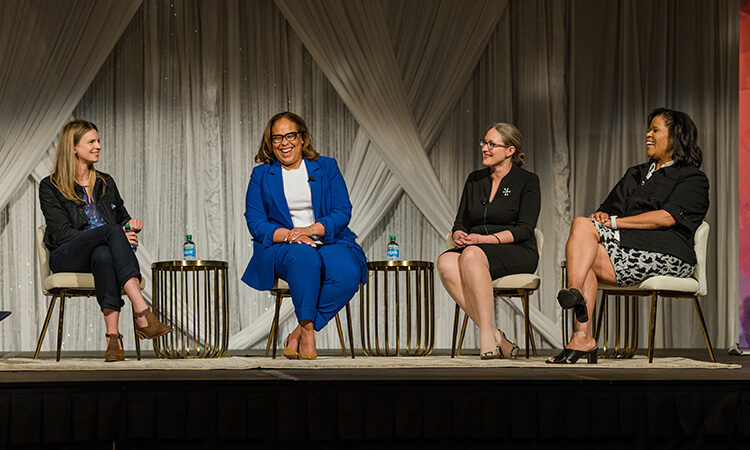
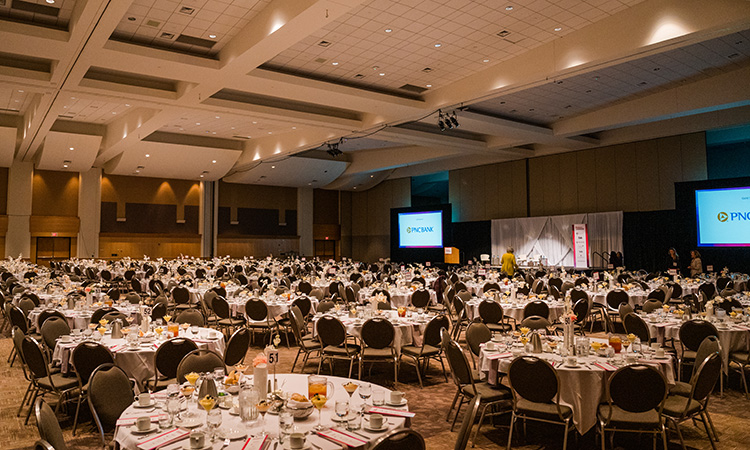
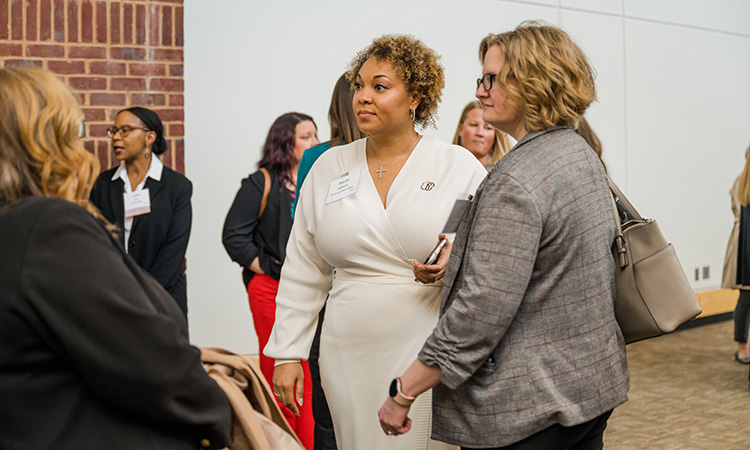
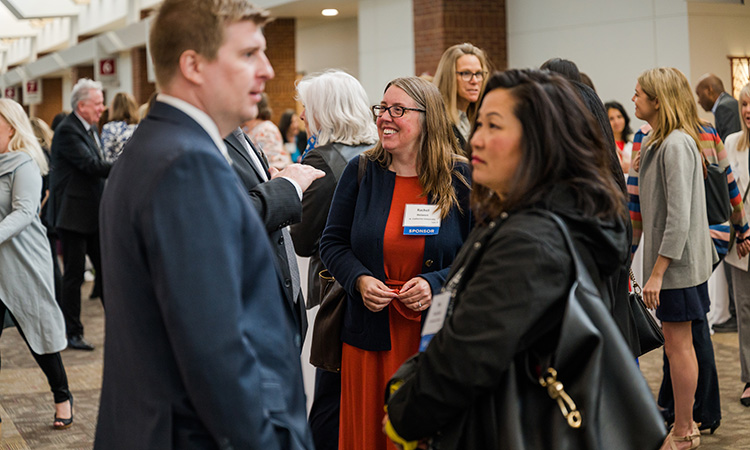
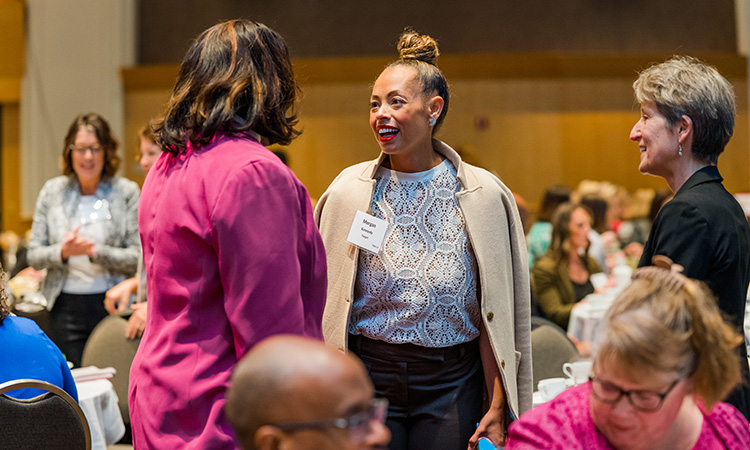
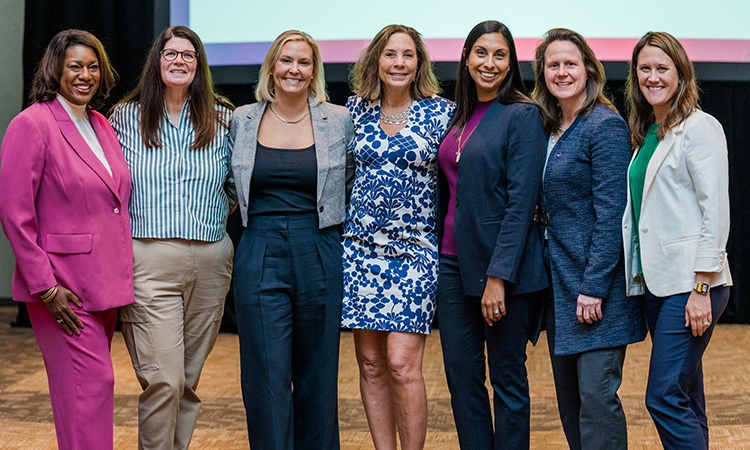
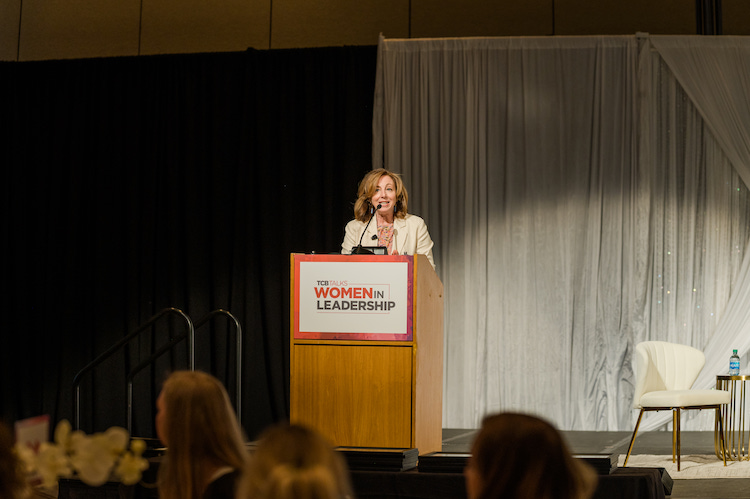
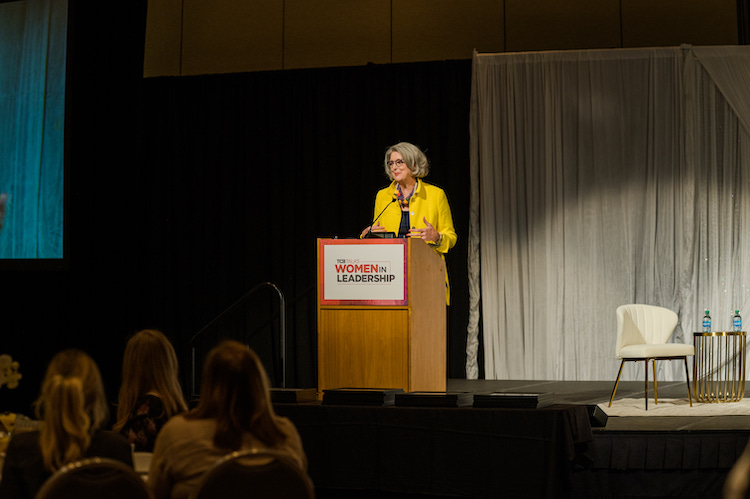
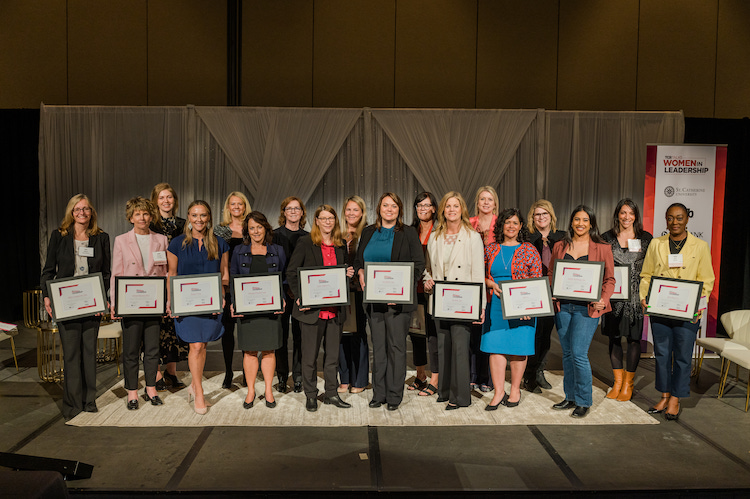
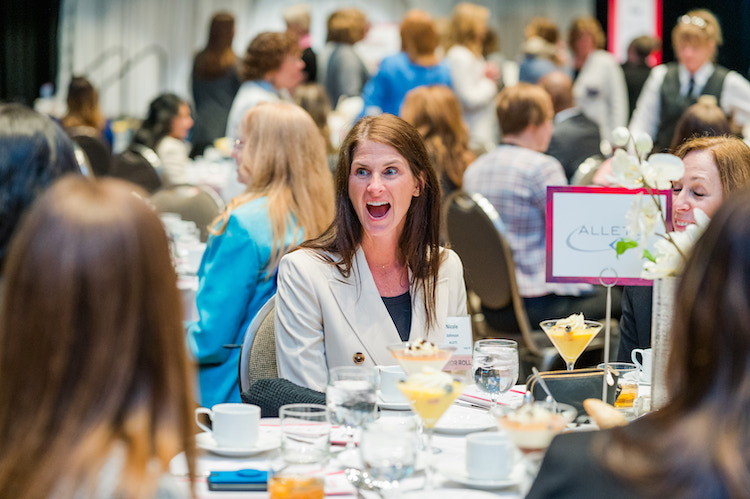
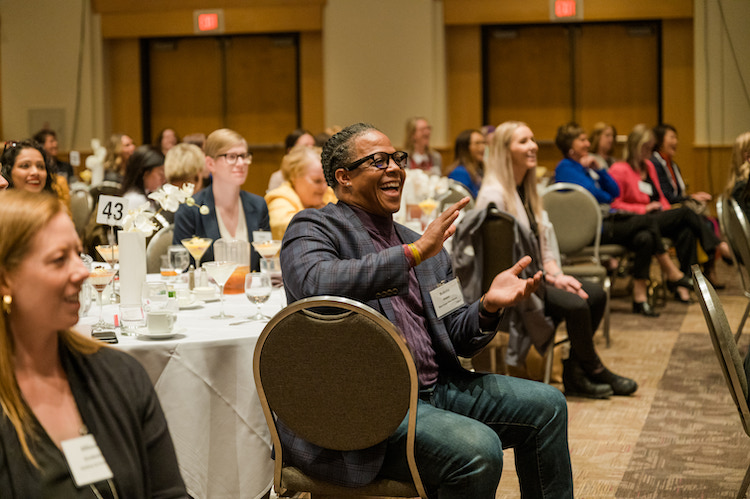
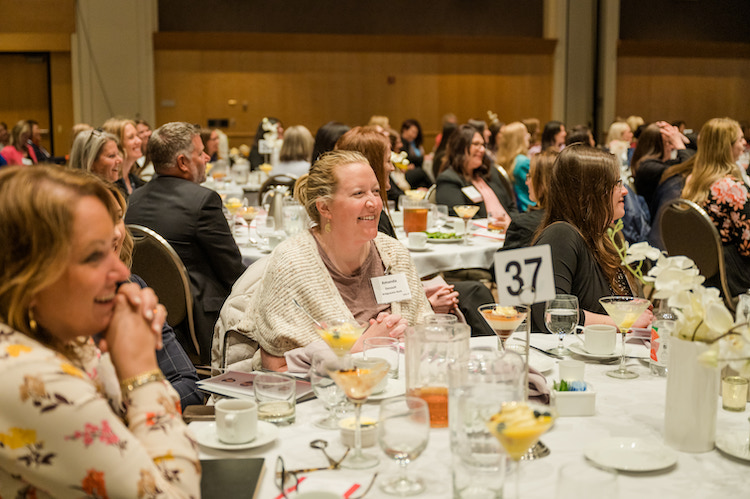
At TCB’s 12th annual Women in Leadership luncheon on Tuesday, a quartet of panelists talked about their path to top positions, and how they’re using their voices to pave the way for more women in the future. The event drew nearly 600 women – and a handful of men – to the St. Paul RiverCentre in downtown St. Paul. This was the first year the event was held in St. Paul.
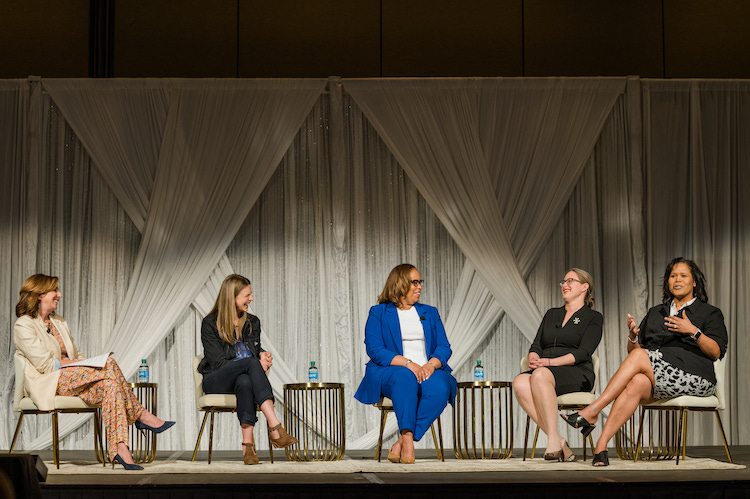
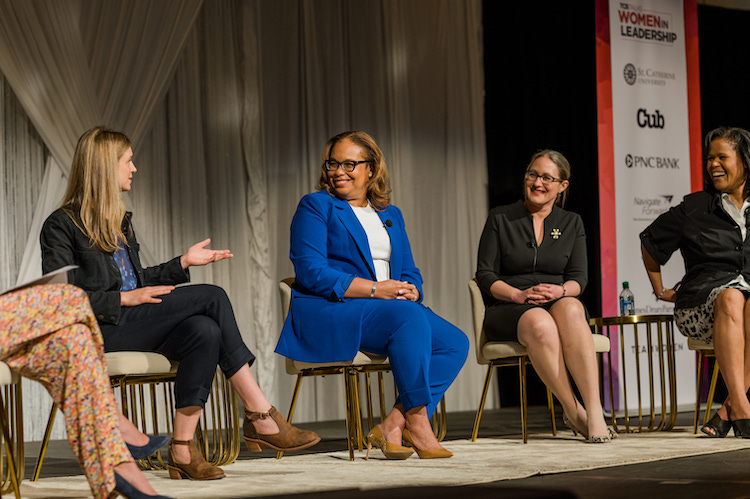
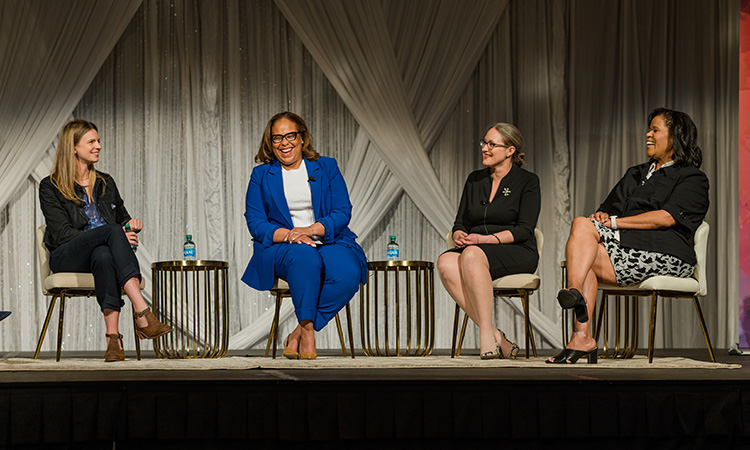
TCB editor-in-chief Allison Kaplan led a panel discussion featuring Thrivent EVP and chief human resources officer Kelly Baker, Red Wing Shoe Co. president and CEO Allison Gettings, Allianz Life Insurance Co. of North America president and CEO Jasmine Jirele, and board director and public speaker Sarah Oquist.
Thrivent’s Baker discussed what it meant to be one of these firsts: She was the first Black woman to join the board of Ferguson PLC in 2021. “They were very upfront with me about their interest in bringing a different voice into the room,” Baker told attendees. “I had to really think that through – if I was comfortable, knowing that I was stepping into a space hopefully for the skills that I’m bringing, but also for my background. And I don’t have a problem with it… We all have to be first in order to have that door kicked open.”
Jirele was also a first at Allianz: In 2021, she became the first woman to serve as president and CEO of Allianz Life in the company’s 125-year history. “I will say it surprised me when I looked at the newspaper on the day that there was an announcement that I was [the first woman] moving into the role,” Jirele said. “And I was like, boy, that’s actually really kind of sad, right?”
She said she found herself asking: What do we do about it and how do we use our voice? Jirele is in a somewhat unique position among Minnesota leaders: Allianz is a global firm with a Germany-based parent company that operates 80 other companies. Jirele noted that she was one of the first three women CEOs named across all of those companies. “I think at the end of the day, it is a privilege to be able to use our voices to advocate for change,” she said.
Why intentionality matters
In the spirit of advocacy, the word of the day among the panelists was intentionality.
When thinking about bringing up the next generation of leaders, Gettings talked about the importance of being intentional when bringing people together and creating space, particularly in the new hybrid world that has emerged from the pandemic.
“It’s not just, ‘What is the content of the meeting?’” Gettings told the crowd. “It’s how you build that connective tissue between people intentionally so that they can learn about each other, they can get to know each other, they can ask questions, they can figure out what their next career choice could be.”
Panelists also dove into the differences between “sponsors” and “mentors.” While mentors provide guidance, support, and perspectives, Oquist said sponsors have the power to influence how that directly impacts someone’s career. Both mentors and sponsors are, of course, vital for women to move ahead.
This played into the idea that perception matters as women work their way toward gender parity in the C-suite. Oquist said she once struggled with the notion that perception is reality. Pulling from her experience interacting with the world as a Black woman, she found strength in being herself. “I thought I needed to be like the people in the room so that I’m more accepted, but I’m not really valuable that way,” she said.
But, ultimately, Oquist said she learned perception does matter when creating a new reality for women leaders. “I need to be able to communicate in a way that people listen.”
Stalled progress?
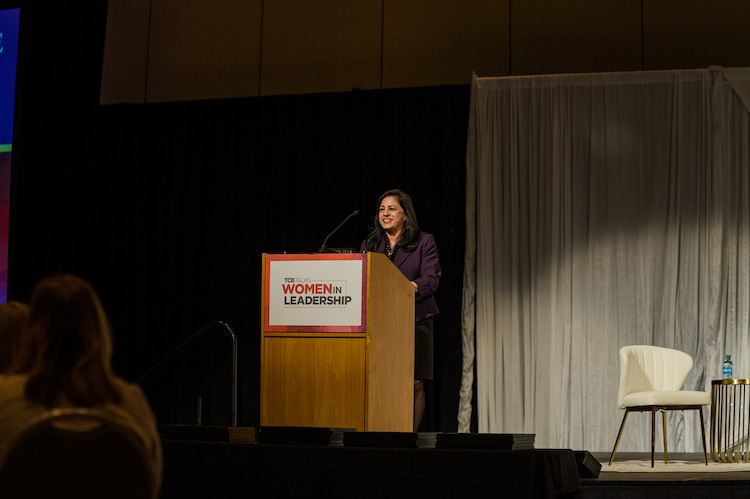
While event speakers celebrated many triumphs of women holding executive roles in Minnesota companies, they also acknowledged that the state has a long way to go before reaching anywhere near gender parity in the C-suite. Anupama Pasricha, chair of St. Catherine University’s fashion design and merchandising department, opened the event with findings in the 2022 Minnesota Census of Women in Corporate Leadership, which was released in the April/May edition of TCB.
The yearly report produced by St. Catherine University examines women’s representation at Minnesota’s largest publicly traded companies. This year, the report highlighted that Minnesota’s percentage of women in executive roles had plateaued over the past four years and remains below the national average for women in executive roles. While women continue to make strides in board seats, they make up only 22.7% of executive officers at 78 Minnesota Census companies, below the national average of 25%.
Pasricha said there’s been “consistent progress” in terms of women’s representation on boards, but added that it’s “time to contemplate on paving the way for more women in executive officer positions.” She also called out missed opportunities for women of color, in particular: The report’s authors identified just 11 BIPOC women serving as executive officers of Minnesota’s largest publicly traded companies. That amounts to 2.2% of all companies in the report. “This underrepresentation of BIPOC women is humiliating, and it means fewer sponsors, mentors, and role models, leading to potentially missed opportunities for women of color.”
While Minnesota has failed to meet the national average percentage for women in executive roles, progress has been made in Minnesota Census boards of directors, according to the Census report. In order to make continued strides, however, a lot of pressure is placed on the shoulders of the women who become the first in these roles.