Special Report: Rochester Rising
It’s almost too easy to say that Rochester is experiencing healthy growth.
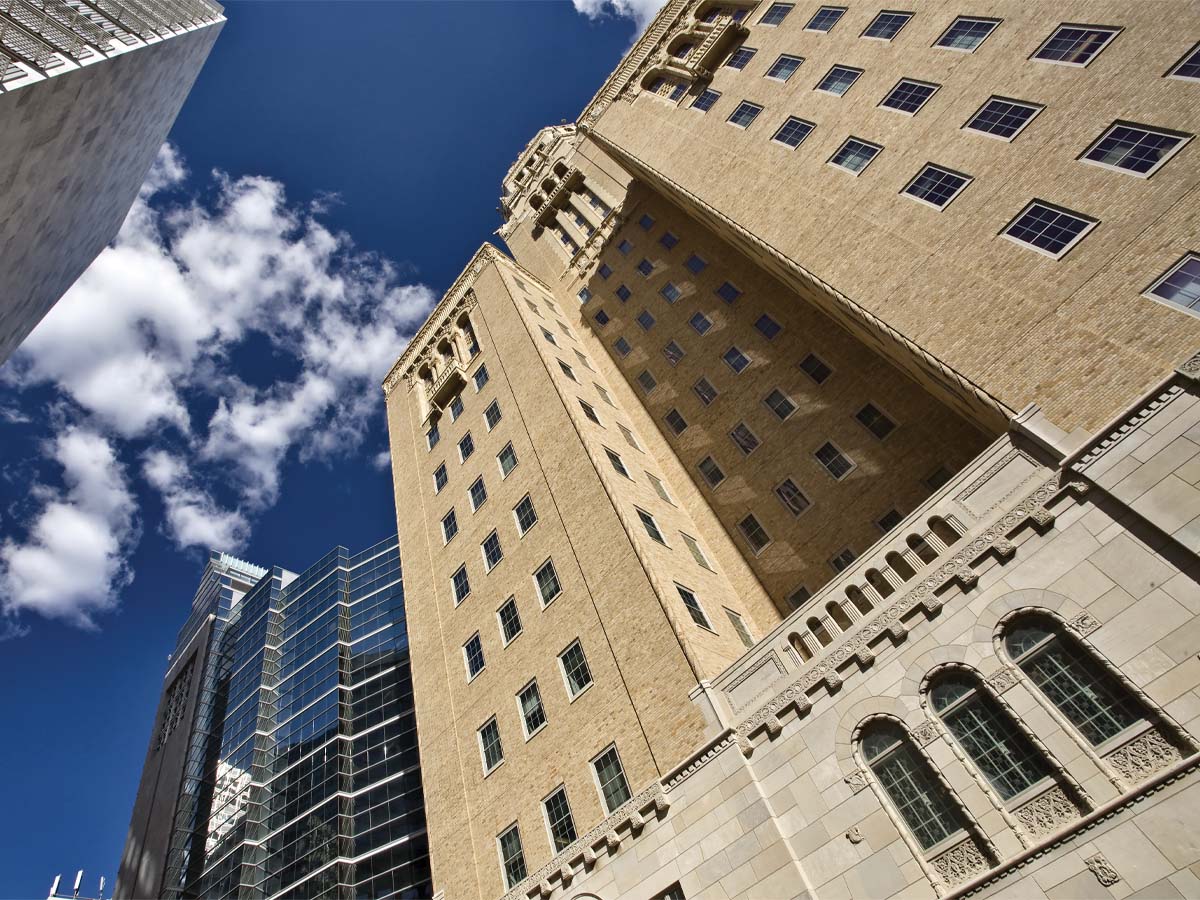
In 2000, the city’s population was 85,806. In 2020, 121,395 people called Rochester home. That represents an astonishing 41% jump in just two decades. Outpacing Bloomington and Duluth, Rochester is now Minnesota’s third-largest city. The engine propelling much of this dynamic growth has been Destination Medical Center (DMC), a 20-year, $5.6 billion economic development initiative, the largest public-private economic initiative in Minnesota’s history. It is being implemented through the nonprofit Destination Medical Center Economic Development Agency (DMC EDA) and the DMC Corporation.
Here are some datapoints that can provide a sense of how much DMC is contributing to Rochester’s transformation so far. In 2023, there was $146 million of new investment in downtown and the DMC district, including $133.6 million from Mayo Clinic, its third-largest annual investment. Since the DMC initiative launched in 2013, Mayo Clinic has invested more than $1 billion in Rochester—and total private investment has exceeded $1.6 billion.
This year, Mayo Clinic is beginning preparations for a $5 billion expansion in its hometown called Bold. Forward. Unbound. This initiative will add new buildings and provide new capabilities for Mayo Clinic and its patients, representing the largest investment in Mayo’s 160-year history.
With their city having come such a long way in just 20 years, Rochester’s governmental leaders, residents, businesses, and nonprofits, along with Mayo Clinic and DMC, are now working together to make plans for their collective future.

In her January 2024 State of the City address, Rochester Mayor Kim Norton asked residents to participate in envisioning the kind of city they want to see in the next two to three decades. A planning committee is being assembled to gather ideas on how to improve and prepare Rochester so that it will continue to flourish. Once brought together, these ideas will be presented to city officials, nonprofits, and businesses to act upon.
Even while it’s actively setting the stage for a forward-thinking, economically vital future, Rochester doesn’t want to lose its community-spirited heritage. That’s why it’s important to city leaders that everyone come to the table to offer their insights and visions.
As Rochester looks ahead and crafts its future, it’s essential to note that the city’s population hasn’t simply grown—it’s also grown significantly more diverse. According to U.S. Census Bureau figures, from 2000 to 2020, there’s been a 251% increase in Black residents, a 211% jump in Hispanic residents, and a doubling of Asian residents. Looking at it another way, Rochester citizens who identified as white in 2000 were 86% of the city’s population; in 2020, they made up 72% of its residents. This demographic shift is creating new dynamics and new opportunities for growth, vitality, and cultural enrichment.
DMC is a 20-year, $5.6 billion economic development initiative.
But growth also brings on growing pains. One of the biggest is a problem that nearly all metropolitan areas are having to tackle: a lack of housing, particularly affordable residences. A 2020 housing study showed Rochester would need about 14,000 housing units across the city to accommodate expected growth by the end of the decade—and that didn’t (and couldn’t) take into account Mayo Clinic’s recent expansion plans and the hundreds or even thousands more people who are likely to move here. City and county government, DMC, nonprofits, and other organizations are all working together to find ways to get more housing of all kinds built and maintained.
And like many growing areas, Rochester is looking at ways to address homelessness. Those strategies could include new housing shelters and additional public services to help people struggling with addictions, mental illness, and other causes of chronic homelessness.
Among the Ranks
Walter & Louise Hanson // Owners of The Nordic Shops
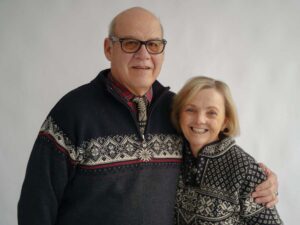 When Walter and Louise Hanson set up shop in Rochester in 1973, it was only supposed to be a “one-year trial,” says Walter Hanson. The pair had a store in St. Charles, Missouri, that had a distinctive Scandinavian mix of products, and wanted to evolve the concept to become a total Scandinavian lifestyle store. That store went on to become The Nordic Shop, a community institution that celebrates its 50-year anniversary this year.
“Rochester offered us a place that was stable, and a clientele that was both educated and well-traveled, as well as having strong Scandinavian roots,” he says. He credits the store’s cult following to the advent of e-commerce. “That decision has helped with our growth and ability to retain our Mayo guests, as well as open us up to people from all over the globe.” Hanson states that The Nordic Shop is currently the largest retailer in its niche and ranks within the top 5% of retailers worldwide for most of its vendors.
Another future-oriented goal is the development of a geothermal energy system serving downtown government offices and other public buildings. This would help the city heat and cool those structures for less cost and with lower greenhouse gas emissions. Rochester is tapping federal tax credits to help get this project up and running.
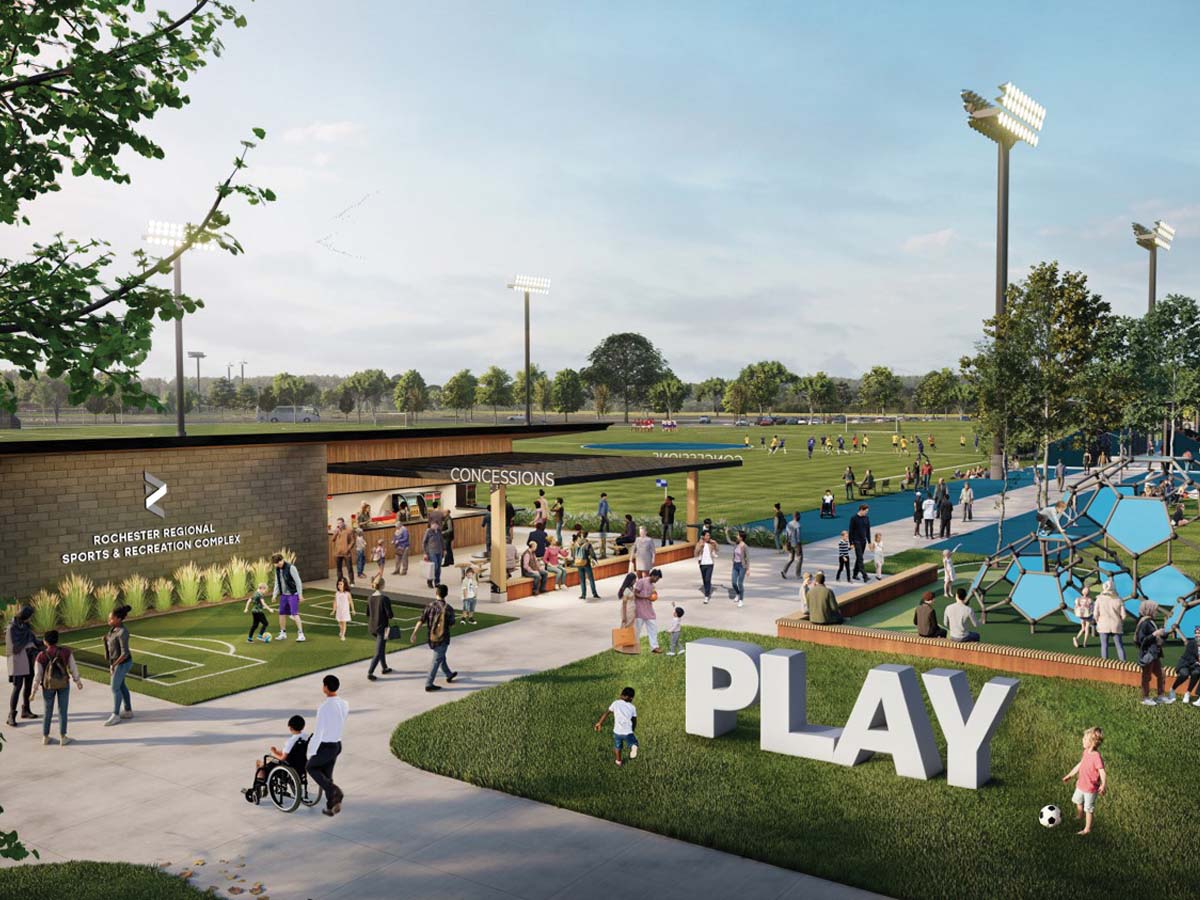
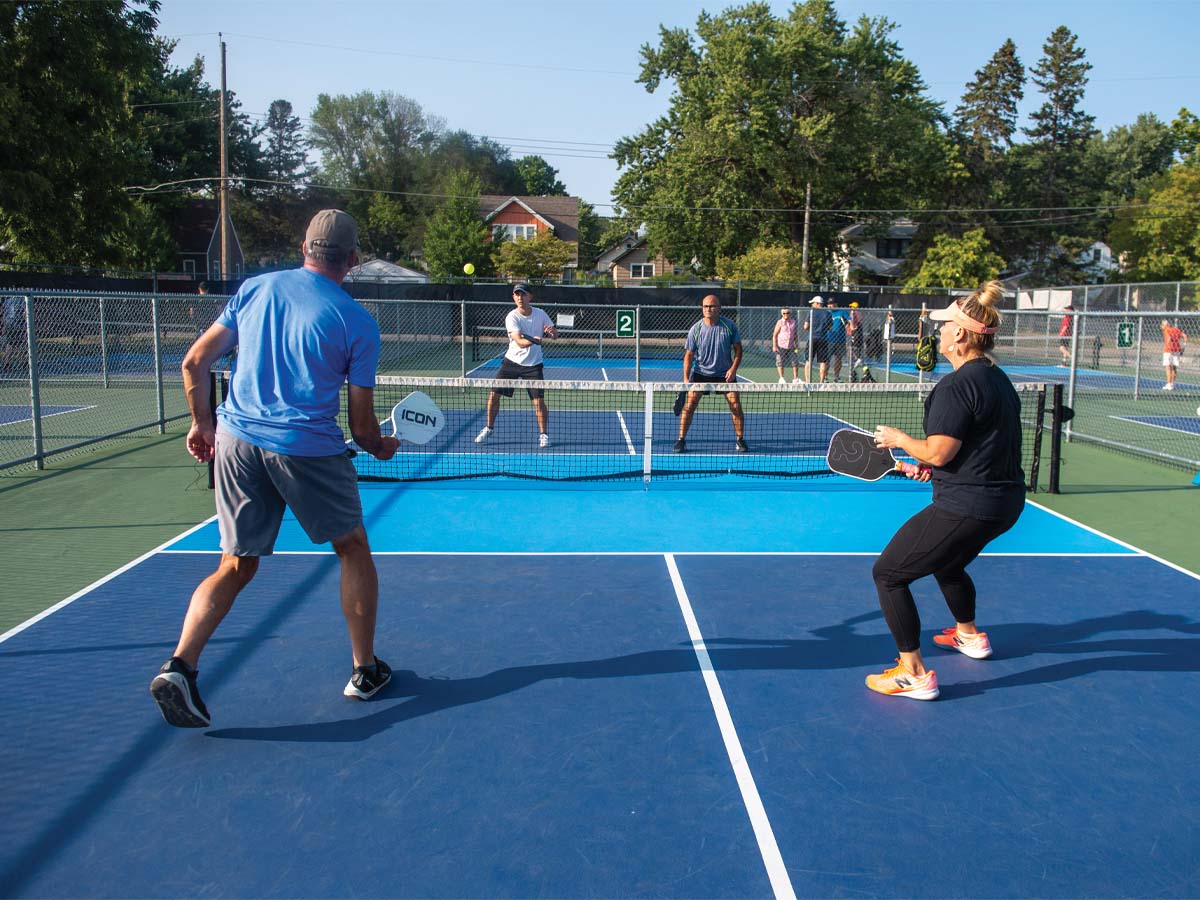
Given its Mayo Clinic roots, it’s only natural for this city to strive towards becoming a paragon of health. Mayor Norton and other city leaders are calling for improvements to Rochester’s air quality and the establishment of new community food and nutrition projects. The city also is starting to make plans for a regional sports complex that would offer additional recreation opportunities for area residents, including pickleball and indoor swimming. Planning for the complex is expected to begin later this year.
Read more from this issue

Needless to say, these collaborative efforts to make Rochester a healthier city include input and insight from Mayo Clinic. As Dr. Craig Daniels, physician leader for Mayo Clinic’s Bold. Forward. Unbound. initiative in Rochester, puts it, “the City of Rochester, Destination Medical Center, and [Mayo Clinic] have a longstanding relationship of partnership that shares the same strategies and the same goals—to create the best medical community in the world.”
“As we grow a more vibrant destination, it becomes a real attractor to come here because you want to—not because you need to.”
—Joe Ward, president of the Mayo Civic Center
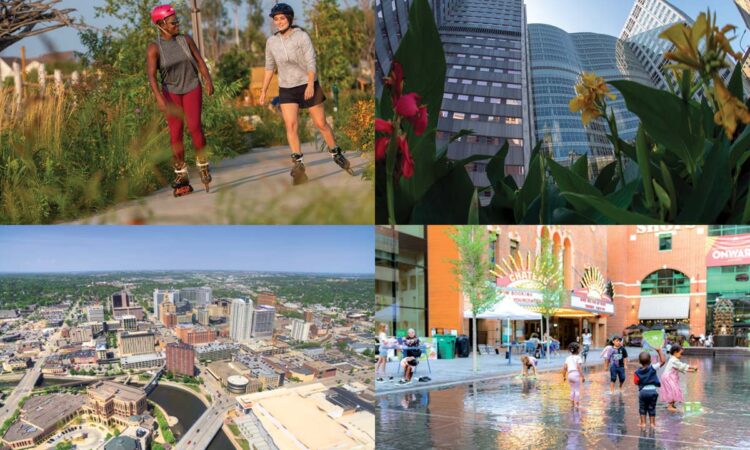
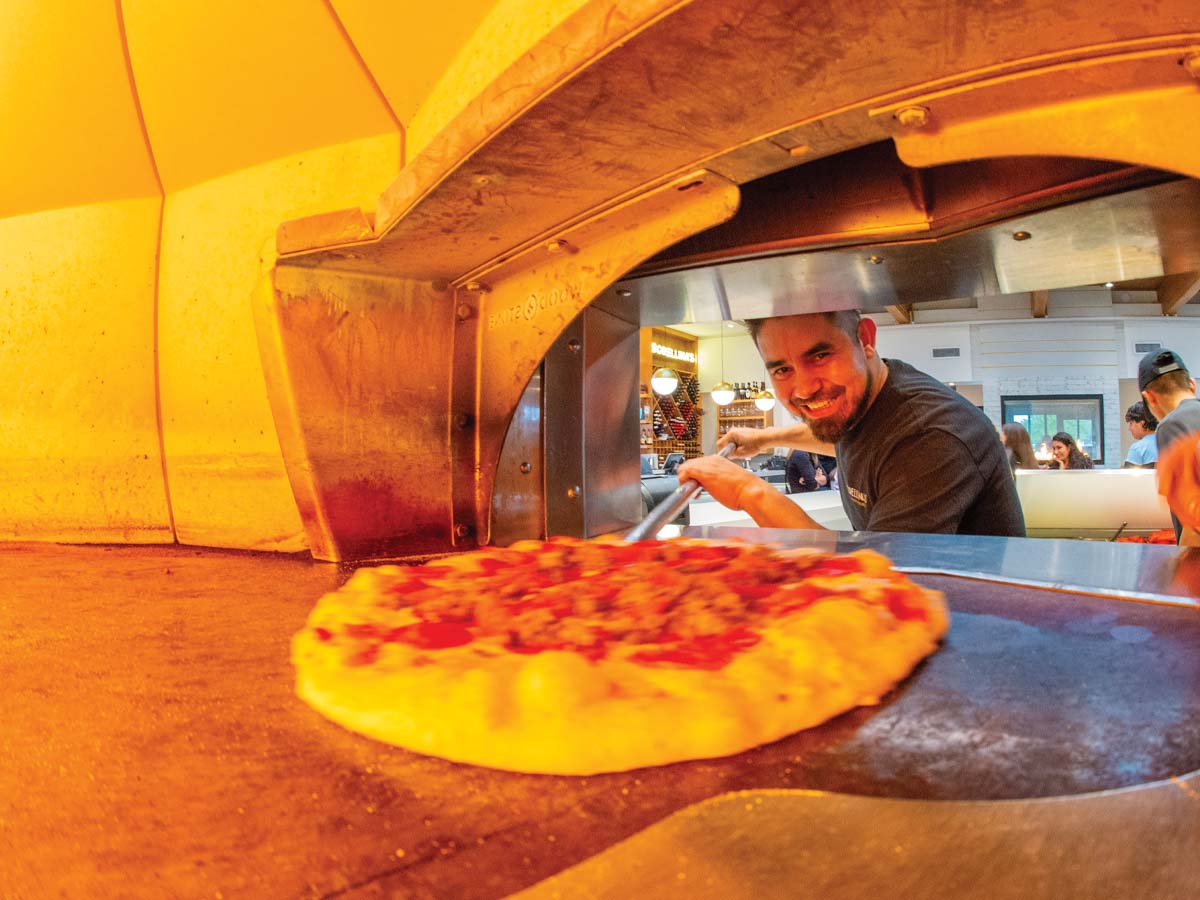
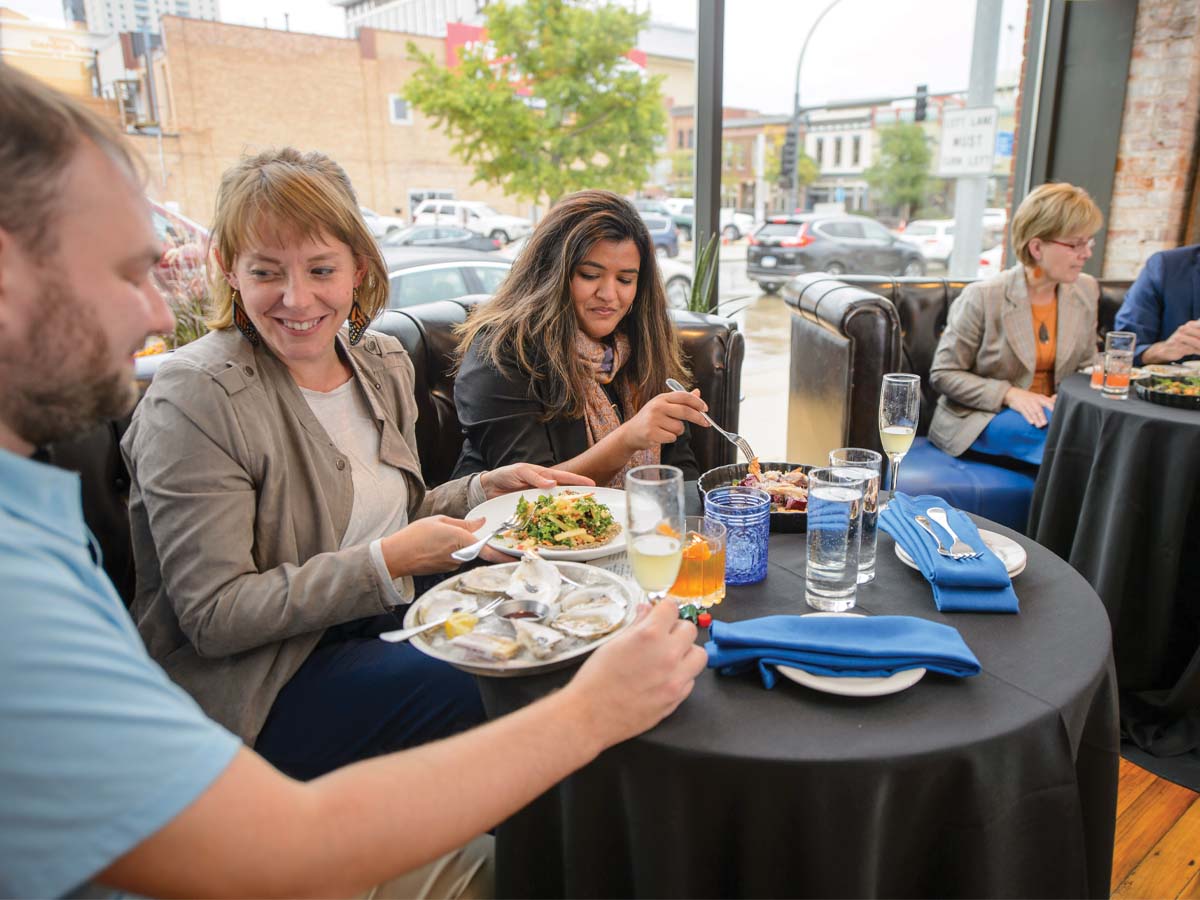
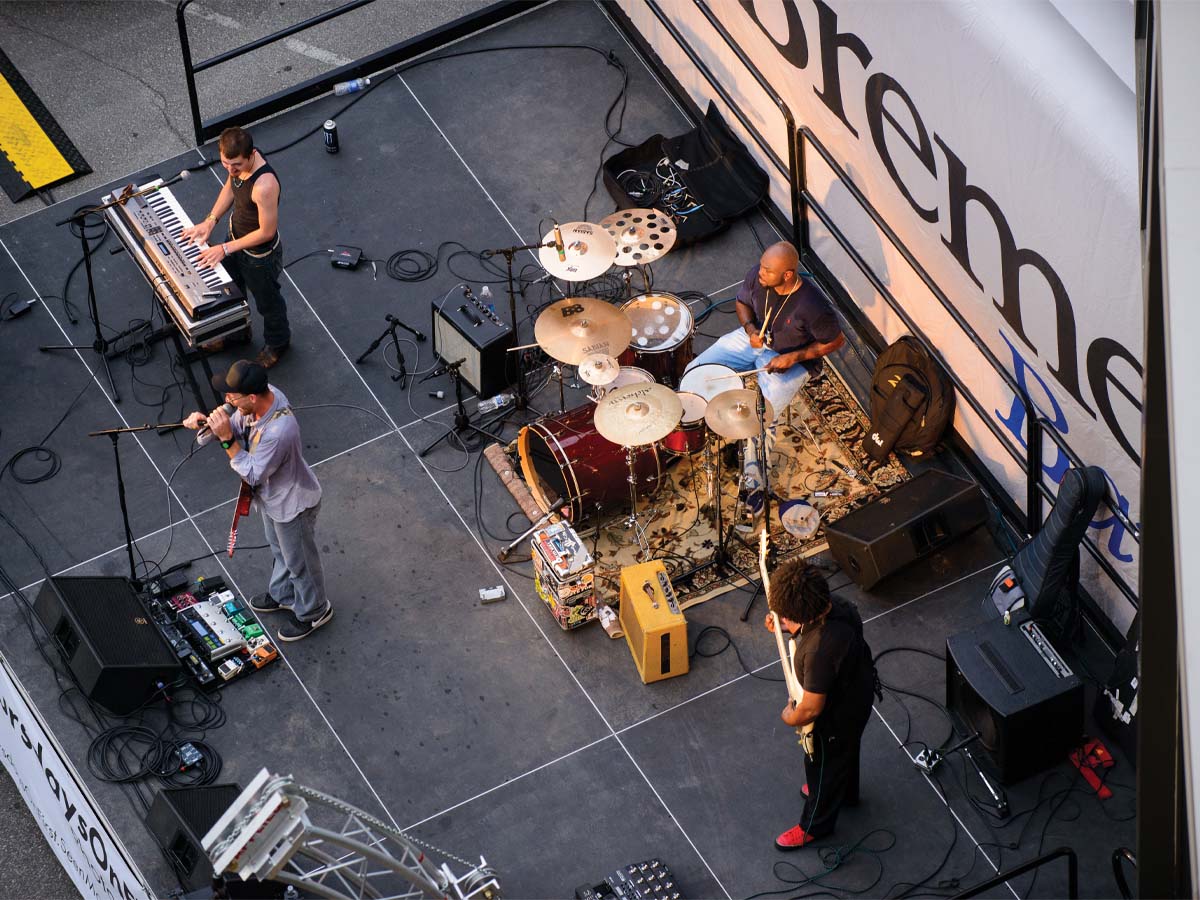
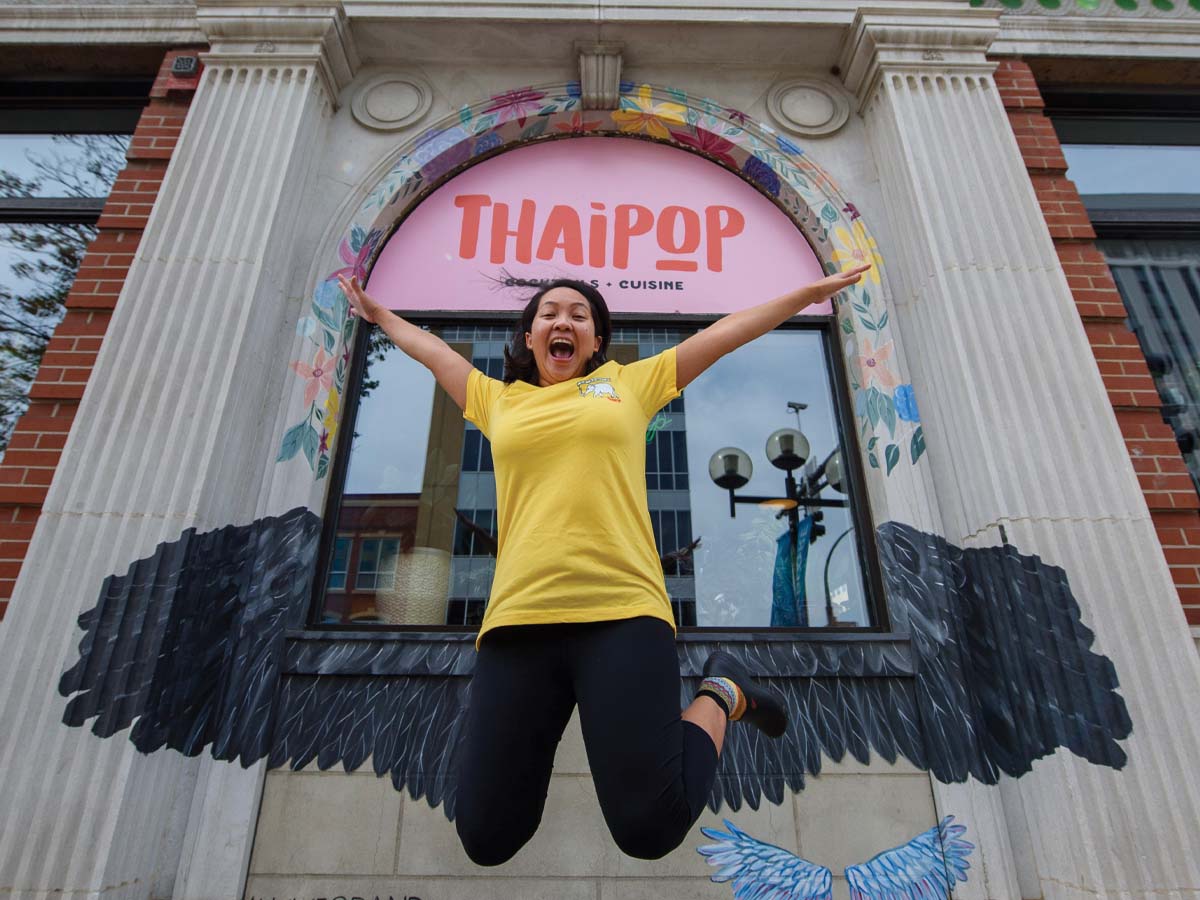
That collaboration extends to the efforts of community leaders and residents to build a city that offers other attractions in addition to world-renowned health care. The city is seeking to build its hometown vibrancy for its residents—and to become a destination for visitors who aren’t patients. Those amenities include a number of stylish downtown restaurants including Marrow, Latitude 44, the Cuban-focused Our Paladar, and pop-up-turned-full-service ThaiPop. There’s also a lively music and theater scene, and within easy driving distance are several state parks, trails, and wilderness areas.
Part of the impetus for attracting new residents is the need for more employees. The labor shortage isn’t unique to Rochester, of course. But the region has a notably low unemployment rate—2% as of March, compared to 2.7% for Minnesota as a whole. Rochester-area residents know that more people means not only more employees but also more innovation arising from this rapidly growing, rapidly changing city.
“We want Rochester to become a community of choice for people,” says Joe Ward, president of the Mayo Civic Center and a relative newcomer to Rochester himself (he moved here from Missouri in 2019). In other words, “a community where you feel the different cultures, where you feel the visitors are incorporated with the locals,” whether those visitors are Mayo Clinic patients or not.
“As we grow a more vibrant destination, it becomes a real attractor to come here because you want to—not because you need to.”
Explore the following pages to learn more about Rochester: