Praise for Those Who Continue the Work
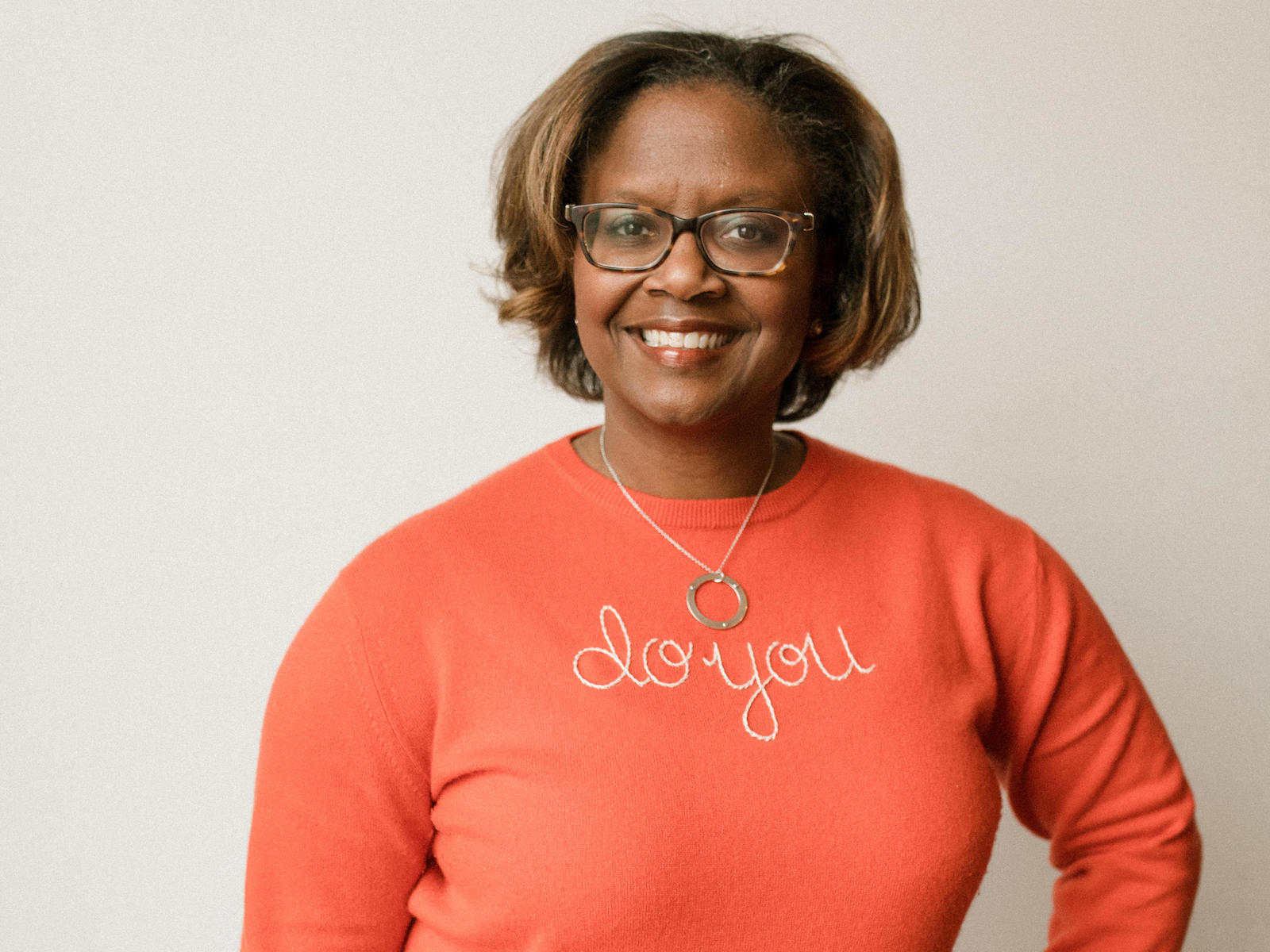
Four years ago, I wrote my first column for Twin Cities Business. The headline was “A Love Note to Black Professionals.” In it, I told my career story as an African American woman in the corporate world and how and why I transitioned to an entrepreneurial path focusing on developing authentic, inclusive leaders. I shared the joys and pains of the corporate world and what I learned about myself along the way. And most importantly, I shared my encouragement and admiration for women and people of color in business who face bias and negative stereotypes on a regular basis and still manage to be kind and courageous and kick butt in their job.
When I wrote that column, I was feeling a ton of emotions. It was 2021, after all, and a lot was going on politically, socially, and psychologically. (Sound familiar?) Covid was rocking our world. Organizations across the nation were looking to understand and address the needs and aspirations of all of their employees. Most conducted this work under the heading of diversity, equity, and inclusion. Some were approaching it with vigor and a true spirit of change, while others were doing what they felt they had to do without truly believing in the “why.”
Four years ago, in the wake of George Floyd’s murder, organizations started to think about their hiring processes, their employee representation, their culture. They listened to the diverse experiences of employees who had not typically had a voice or were not represented in large numbers throughout the organization. In some cases, companies made changes to address what was missing or bolster what was limited (think development programs, broader range of recruiting avenues, training, employee networks).
It was not an easy time for most of us, but for me, it brought some hope. Hope that organizations would work to create processes and practices and cultures that gave all employees a chance to be successful and bring their whole selves to work. Hope that we would all become more aware of the intention behind our words and the impact stereotypes have on company culture, employee success, and individual emotional health. We made some progress, to be sure. And now, four years later, in the very same April/May issue, I am writing another love letter.
Truly building organizations that value and respect all employees is about more than programs.
We are hearing lots of talk about DEI initiatives being dismantled or downsized. It is discouraging, but I know not to believe everything I read. Some of the companies that show up on the list of organizations that are “no longer committed to DEI” continue in the work, so do your research, friends.
My 2025 love letter is to those who are continuing the work of building and defining and demanding workplaces where women and people of color can thrive without changing who they are or dealing with daily microaggressions—unintentional or not. I see you, and I appreciate you for continuing in this work. We all benefit from organizations that understand how to bring out the best in every employee and how to be clear about what success and the culture look like at their organization.
We know that some organizations are not truly interested in DEI programs. They might believe that they are “colorblind” or “merit-based,” so they do not need additional programs or tools. To those companies, I say good luck and Godspeed.
Read more from this issue

We know that some organizations can and will stay committed to the work, as it is core to who they are as a company. You may not hear about it in the news or on social media, but they are out there, and their good works will be shared by the men and women of all races who see it, benefit from it, and celebrate it.
Let me be honest. I am very good at what I do, and yet every time I get a job or a promotion, someone suggests it was because of the color of my skin or my gender. It’s insulting. Now, at almost 53 years old, I simply refuse to address these comments. Truly building organizations that value and respect all employees is about more than programs. It is individual work. It is internal to each person. When each one of us gets in touch with our own issues, beliefs, and stereotypes and addresses how those affect us at work, we all benefit. And to those of you in this work, continuing to bring about change in large and small ways, I thank you on behalf of my children, their friends, and those benefitting from your work (whether they know it or not). I believe in us.