The Wayzata-based ag giant aims to reduce its beef supply chain’s greenhouse gas emissions by 30 percent before 2030.

Energy + Environment
The deal—announced in March and now finalized—will enable Edina-based Geronimo to grow its community-driven solar and wind energy projects portfolio.
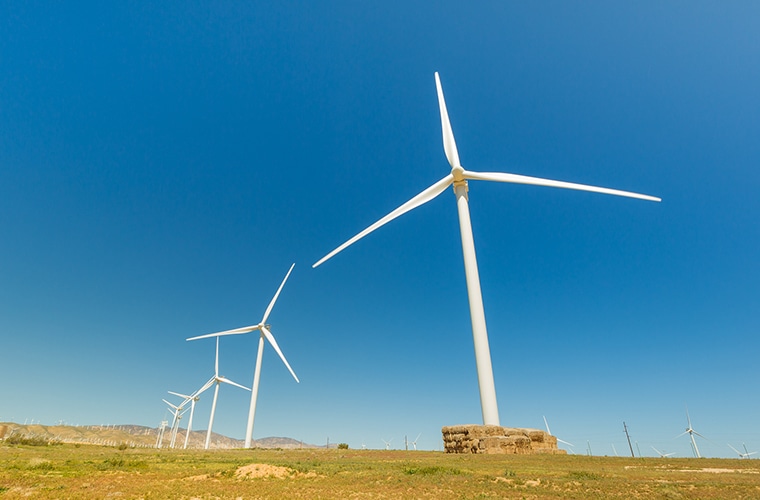
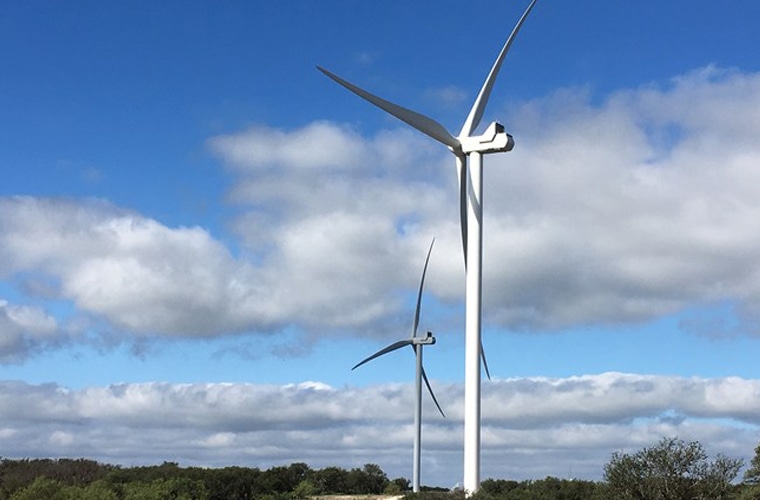
Under the deal, the Minnesota Municipal Power Agency will purchase 200 megawatts of energy from a new wind farm in Jackson County, Minn.
The deal, which is with the Texas-located Roaring Fork LLC project, is the second in the Golden Valley food giant’s history and its largest yet, and pushes the company toward its 2025 greenhouse gas emissions goal.
The future of the planet may be uncertain,
but these new Twin Cities–based brands
are doing their part to reduce plastic waste.
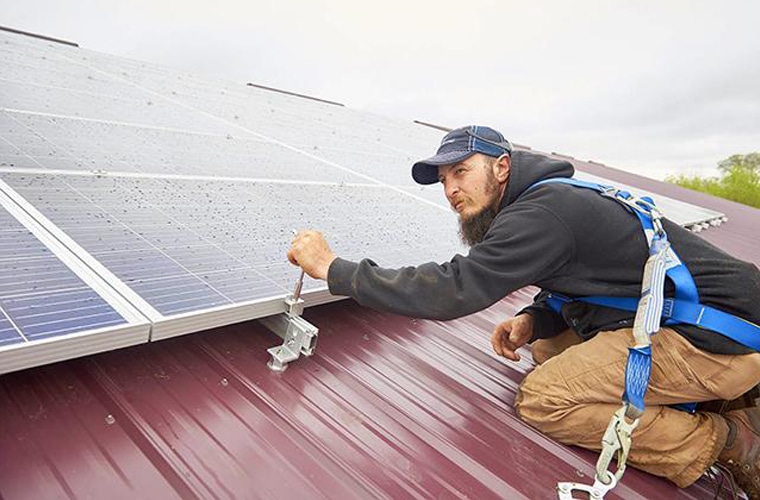
A survey conducted by nonprofit organization The Solar Foundation found Minnesota’s solar job total has increased from 1,995 in 2015 to 4,602 in 2018, making it 15th in the nation for solar workforce size.
The deal is aimed at helping Ecolab customers better understand its work in hygiene, food safety, and related products and practices.
The sale to global water management company Kurita Water Industries will allow Allete to invest in more clean energy opportunities.
The St. Paul-based water and energy giant is spinning off the business – which deals with oil field chemicals production and well drilling and chemistry – in response to its growth and changing management needs.
The price and specifics of the deal were not disclosed, but by teaming up with Holchem, a supplier of hygiene and cleaning products, Ecolab is looking to better serve European markets.
Current plant employees will be offered positions with Xcel following the transaction.
The collaboration involves connecting Minneapolis-based Xcel Energy with consumers through Google Assistant. The Xcel features of the voice-action technology will evolve over time.
Mayor Jacob Frey and City Council member Steve Fletcher praised an Xcel and Public Utilities Commission decision to pull funding for the Crown Hydro project, as it’s no longer favored by the city or public.
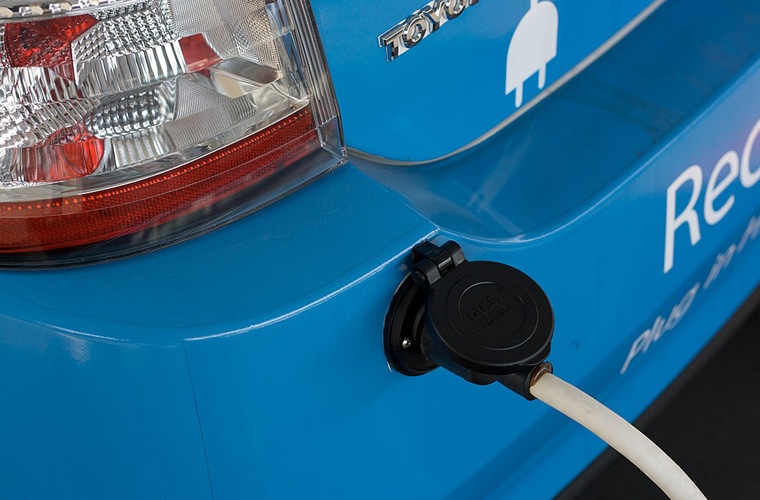
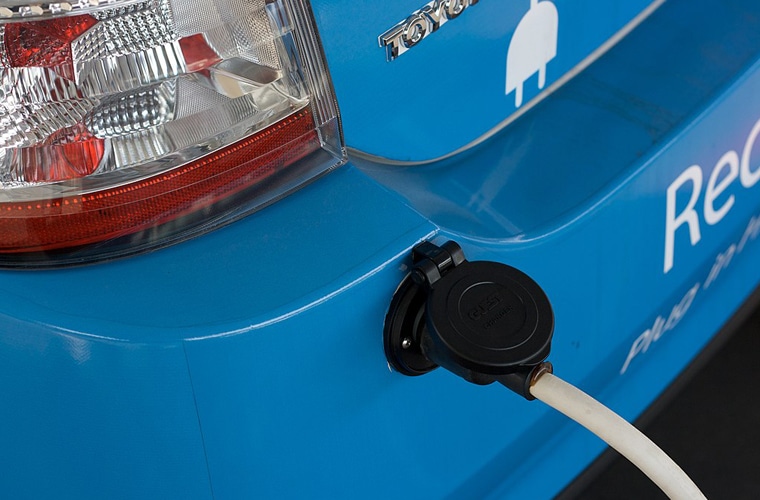
The two-year program, approved by state officials in April, will verify expected carbon footprint cuts and cost savings of at-home charging equipment, installation and energy usage for vehicle owners.
Casey’s addition to Minneapolis-based Xcel Energy’s board was made effective immediately.
Last year solar jobs dropped 4 percent nationwide, while in Minnesota they rose 48.2 percent. Many installers complain that they can’t get enough labor for the demand.
The city’s latest commitment also stresses bringing underserved communities into the fold, pursuing environmental improvements despite actions elsewhere in government.
The Minnesota Public Utilities Commission will allow a rollout of a program testing a new, more efficient solution for at-home charging.