In general, Minnesota is poised to weather recessions better than some states, experts say.
Author’s archive
Who has authority to cancel the fair? And other burning questions about the Great Minnesota Get-Together.
A look at different statistics for 17 cultural groups in Minnesota helps illustrate how different residents are doing economically.
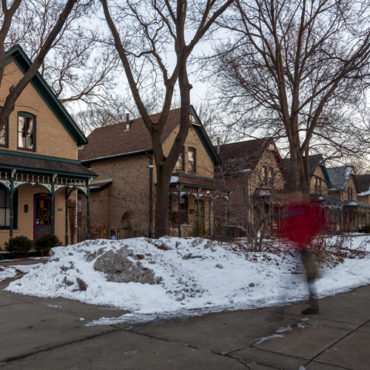
The shift comes as many are calling for more renter inclusion in neighborhood organizations as part of Minneapolis’ Neighborhoods 2020 plan.
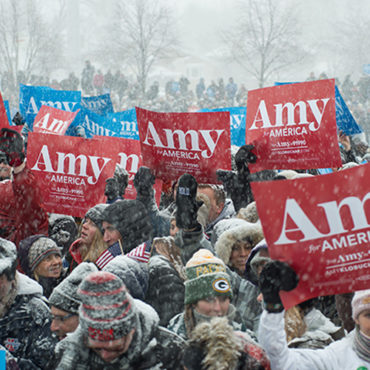
Part of Klobuchar’s case to win the Democratic nomination for president is her ability to appeal to Trump voters. How strong is that ability?
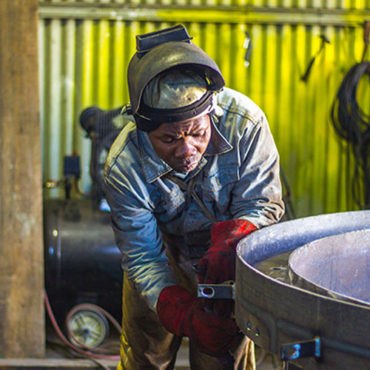
Under normal economic assumptions, when the supply of something—labor—is low, its price—wages—should go up.
Experts caution against assuming the suburbs are in DFL hands for the long term.
Of the 100 biggest metro areas in the U.S., Chicago is one of just 10 that lost population.
Meanwhile, voters in Minnesota’s most populous county elect two political newcomers over longtime incumbents, Hennepin County Sheriff Rich Stanek and County Commissioner Peter McLaughlin.
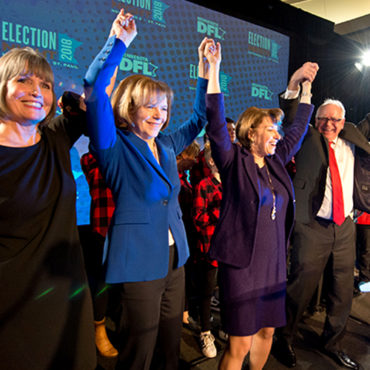
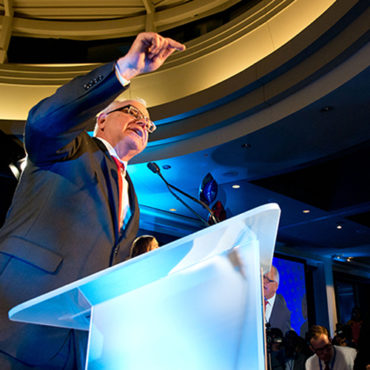
Republican Jeff Johnson says Minnesota will become California if DFLer Tim Walz is elected. If the opposite happens, Walz threatens Mississippi.
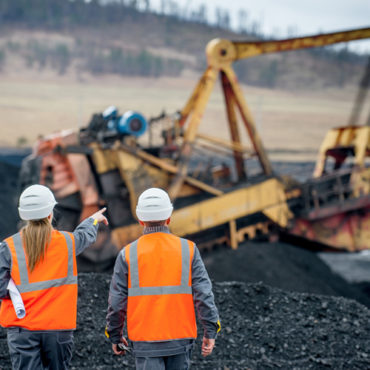
Mining is directly responsible for about 0.2 percent of Minnesota’s jobs and less than 3 percent of its economic output.
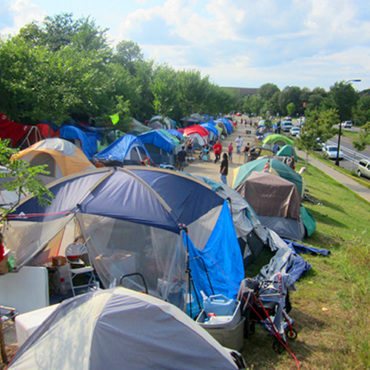
The homeless encampment along Hiawatha Avenue in Minneapolis has brought new attention to a long-standing and widespread problem.
Incomes and the population are up. Poverty and the rate of people without health insurance are basically unchanged.
Charts help tell the story of Minnesota's vote tallies on Tuesday.
Minnesota is the third-largest pork-producing state in the U.S.
Hillary Clinton “lost all but nine counties, but managed to win the state,” says Jeff Blodgett, a longtime DFL operative. “To me, that’s a lesson in really where the votes are.”
The proportion of candidates for the Minnesota House who are women inched up one percentage point versus 2016.
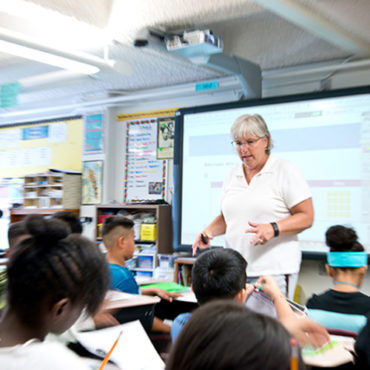
Enrollment often drops during good economic times. But there are also more enduring factors at play.