A Peek Into 2024
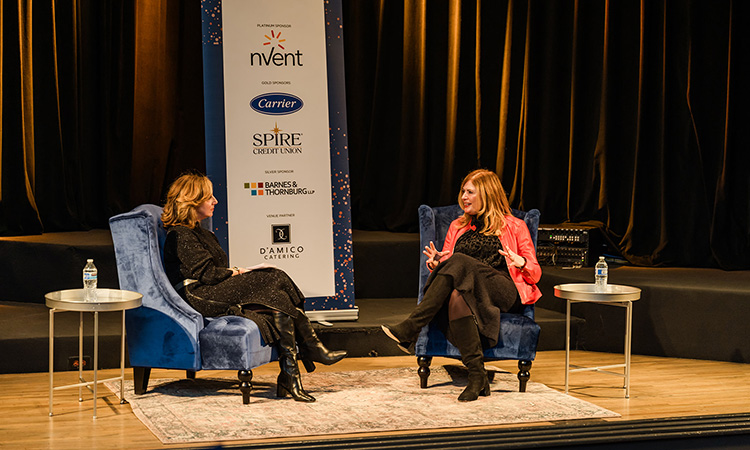
As the date stamp on this magazine suggests, TCB’s December/January issue is part end-of-year recap, part look ahead. Back when we were in sandals and short sleeves, our editorial team started thinking about which companies, industries, and individuals stood out in 2023 with strong performance—but even more so, whose success is emblematic of something bigger. Beth Wozniak, CEO of nVent, quickly rose to the top as a leader who is thinking about sustainability on a global level and setting an example at home for building a diverse team and thoughtful post-pandemic culture.
Wozniak was last on the cover of this magazine in 2018, when Pentair spun off nVent and she became CEO, joining the rarefied ranks of women who lead public companies. Since then, she’s guided the company to $1 billion in revenue growth. Senior editor Liz Fedor’s 2023 Person of the Year profile on Wozniak offers tremendous insight on effective leadership of a global manufacturing brand that we should be proud to claim as one of Minnesota’s own.
Then we set our sights on 2024 with the TCB 100. (For the fact-checkers out there, yes, we know it’s actually 103; you try to choose!) The people on this list are breaking barriers, leading initiatives and organizations that make a difference in our community. We asked each of them for a snapshot of what they expect next year, and—despite an undeniable heaviness at home and abroad—they view 2024 through an optimistic lens that’s encouragement for us all to greet the year ahead with renewed energy.
We also made our own list of some of the issues and stories TCB’s editorial team will be keeping a close eye on in 2024. Here are a few:
Downtown redevelopment. Sherman Associates is converting St. Paul’s Landmark Towers office building into apartments—a trend we can expect to see more of as office use struggles to rebound. Meanwhile, in Minneapolis, Hempel Real Estate nabbed LaSalle Plaza, telling associate editor Winter Keefer that this move is only the beginning of a “reset of values downtown.”
Distressed offices. On the flip side, there’s the ominous statistic that U.S. office owners will owe more than $900 billion in commercial real estate debt set to mature in 2024. Ballard Spahr managing partner Karla Vehrs is part of the national firm’s Distressed Office Buildings team, created specifically to help owners, investors, tenants, lenders, and bondholders navigate the massive industry disruption.
The collapse of the development cycle. There’s trouble on the residential side as well, as executive editor Adam Platt has been discussing with developers. “Interest rates and rent control fears are going to slow housing construction to almost nothing,” Platt says.
City councils and business. “Following the November election, there has been a leftward shift on both the Minneapolis and St. Paul city councils,” notes senior editor Fedor. “Will their policies—taxation, fees, regulatory approach, expanded social agenda spending—make it more expensive and difficult to do business in the core cities?”
Read more from this issue

What’s the next health insurance innovation? Having chronicled the implosion of Bright Health, digital editor Dan Niepow is keeping tabs on the industry. “Will another startup attempt to crack the code on health insurance? I’ll also be paying attention to UnitedHealth Group, Blue Cross Blue Shield of Minnesota, Medica, and other local insurers—how are they going to respond to ever-increasing health care costs?”
Cannabis regulations. With the recent legalization of recreational marijuana use by adults, Keefer is keeping tabs on the development of Minnesota’s Office of Cannabis Management. “The office will be charged with rulemaking for the state’s entire cannabis market, including recreational, low-dose, and medical cannabis. This process must be completed before any cannabis licenses are issued.”
Future of academic health. By the end of 2023, the University of Minnesota and Fairview Health must decide whether they want to extend their operating partnership. Questions about how that partnership evolves—or not— will be important to watch in 2024, Fedor notes.
Startup momentum. The innovation and investment are already happening; however, in typical Minnesota fashion, we struggle to be seen as a national hub. Associate editor Tina Nguyen notes an increasing willingness to speak up. She talked to gener8tor managing partner Al Cornish: “I think the narrative of Minnesota is changing,” he says. “By the end of 2024, I predict the Minnesota startup ecosystem will be nationally recognized.”
Let us know what you’d like to read more about in the coming year.