Women in Leadership: On Trust and Unconventional Paths to the Top
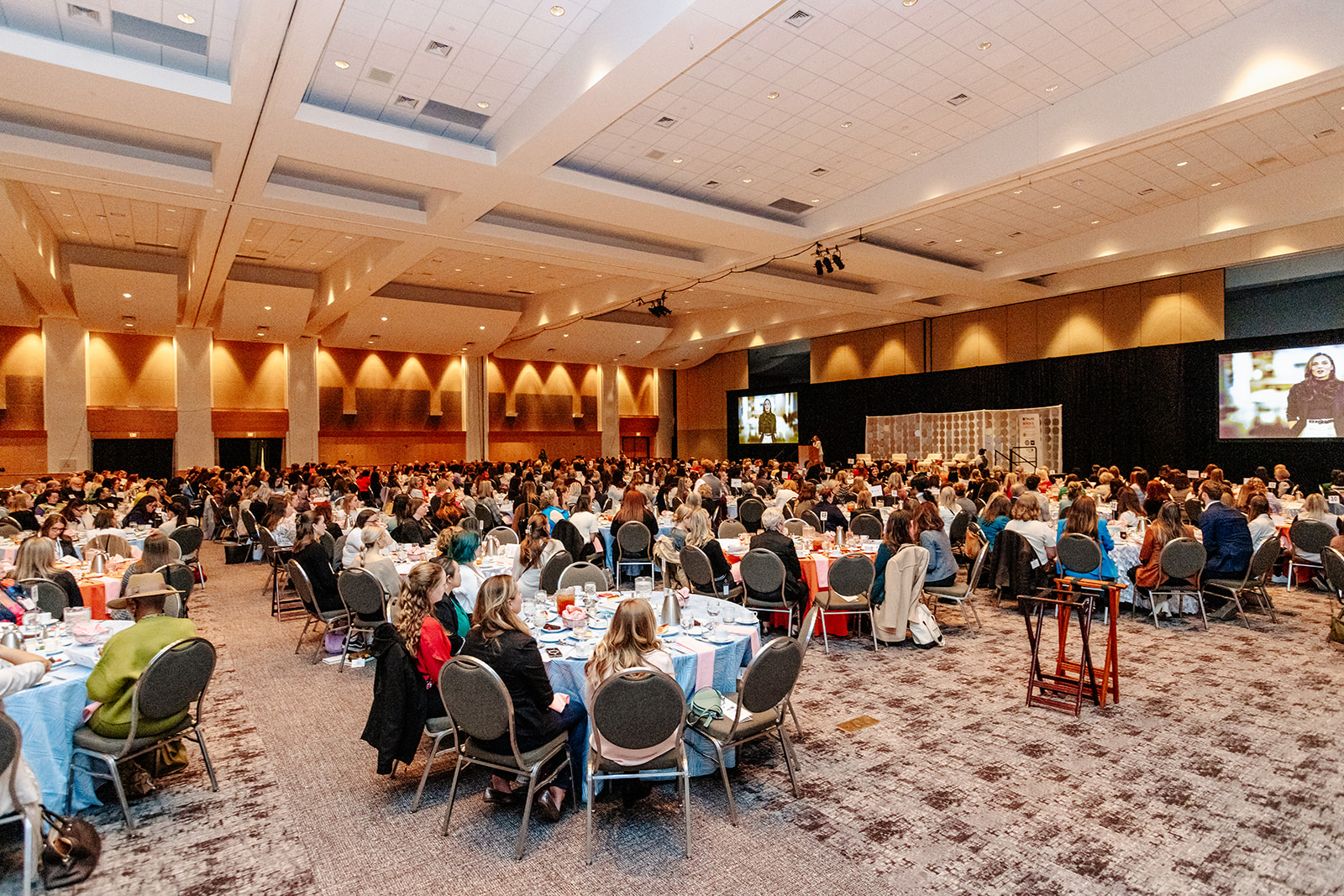
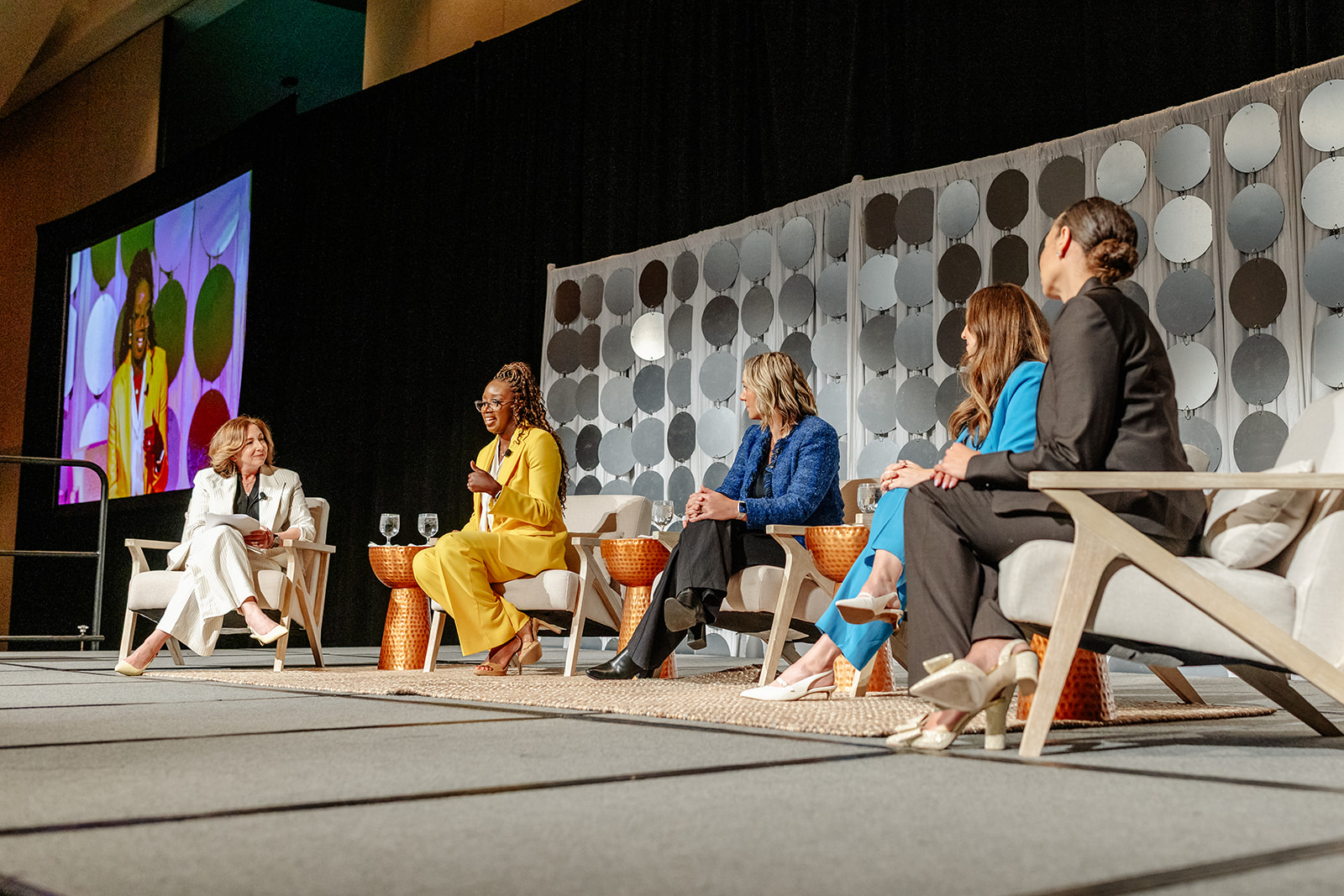
For women, the path to the C-suite isn’t necessarily easier these days, but it certainly is changing. That’s one of the takeaways from TCB’s annual Women in Leadership luncheon at the RiverCentre in downtown St. Paul on Tuesday. Prior to a featured conversation with former Target executive and new author Laysha Ward, a panel of four mid-career women took questions about hybrid work, the lingering impact of the pandemic, and navigating personal and professional goals.
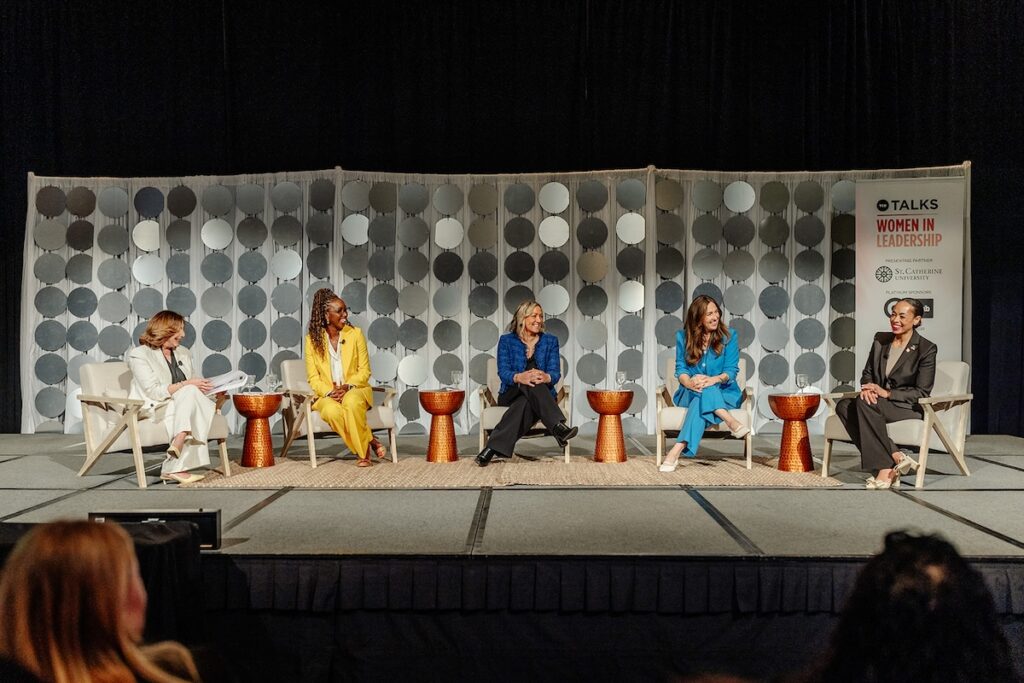
Take Emily Hendren, director of member engagement strategies at Minneapolis-based Thrivent. She joined the financial services company in a marketing role in 2015 and has been steadily climbing the ranks. When the pandemic hit in 2020, she and her husband pursued a long-sought goal to travel around national parks in a camper van.
Hendren said she was initially concerned that the 2.5-year-long trip away from the office would hinder her career. Instead, she said, it was the opposite. “I have felt so empowered, so trusted, so advocated for,” Hendren told a crowd of more than 600 attendees. “Don’t get me wrong: I still have to show up and I have to get the work done.” She said she’s earned the trust of her leadership team to meet the goals they’ve set.
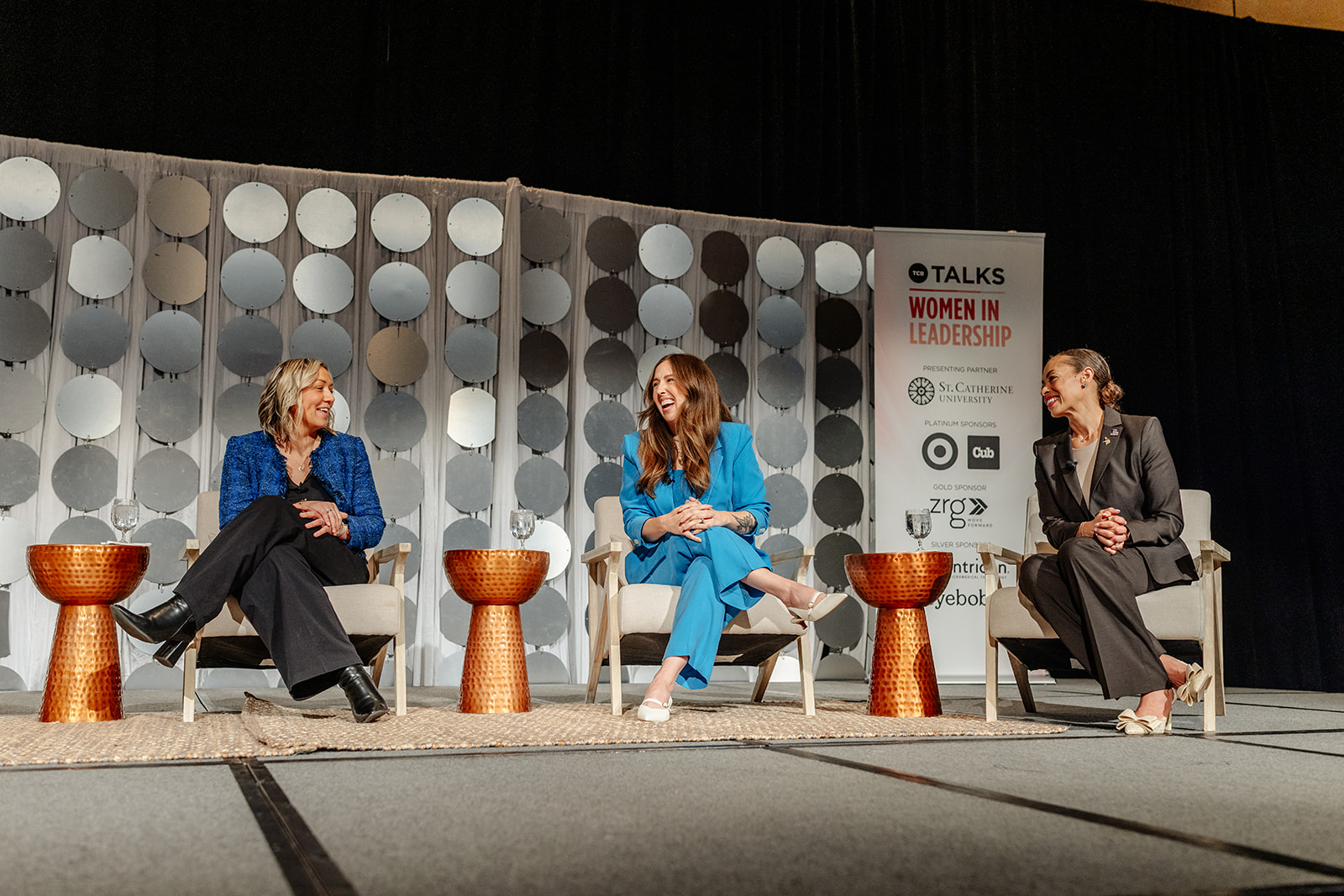
The concept of trust was a recurring topic throughout the panel discussion. Fellow panelists Kristin Hanson of nVent, Tiffani Daniels of General Mills, and Morgan Kennedy with the Minnesota Vikings all agreed that trust has become especially important in the era of hybrid and remote white-collar work.
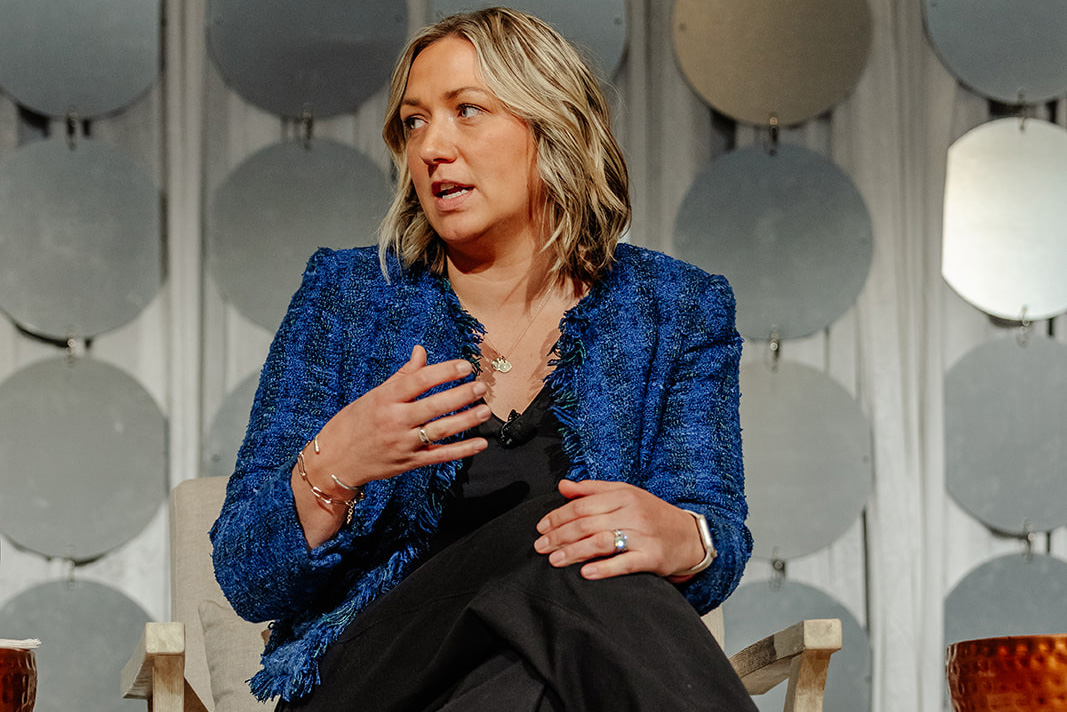
Hanson, who serves as strategic sourcing director for nVent, said she’s usually in her company’s office about three days a week. But, since her team operates from other geographies, some level of remote work is necessary.
“We need to execute. We need to deliver results. But I trust you to own your time,” Hanson said of her team. In her view, trust is the foundation of a successful hybrid work arrangement,. That also means giving employees work clear expectations.
As the mother of three small children, Hanson said flexibility is paramount for her.
Still, Kennedy–who serves as VP of partnership activation, events, and special projects with the Vikings–said she makes an effort to work in the office five days a week. Working alongside colleagues is “where I get inspiration and energy,” Kennedy said. “I love the connectivity and cooperation.”
“That said,” she added, “flexibility is important. Being able to have flexibility to manage your life and your career … is really important.”
Daniels, who works as director of consumer loyalty and rewards at General Mills, also said she aims to work from the office five days a week these days. But it wasn’t always so: In the wake of the murder of George Floyd in 2020, Daniels stepped aside from her day-to-day duties at General Mills to become the first managing director of the Minnesota Business Coalition for Racial Equity, a group of local business and community leaders aiming to “build an equitable, inclusive, and prosperous state with and for Black residents.”
During her three years heading the coalition, General Mills paid her full salary and benefits, Daniels noted. “It allowed me to have an impact in a way that was tangible,” she said.
The anecdotes shared by the four panelists showed that times have indeed changed: At last year’s event, one high-ranking woman shared the lengths she had to go just to pick up her kids after school earlier in her legal career.
Still, barriers remain today. While the number of women working in the C-suite and on boards of Minnesota’s largest publicly traded companies has been growing over the last five years, the pace of change began to slow markedly in 2024, according to recent research by St. Catherine University. The number of women working as CEOs, enterprise-wise presidents, COOs, CFOs, or CIOs, for instance, nudged up just 0.6% last year.
Advice from a Fortune 500 veteran
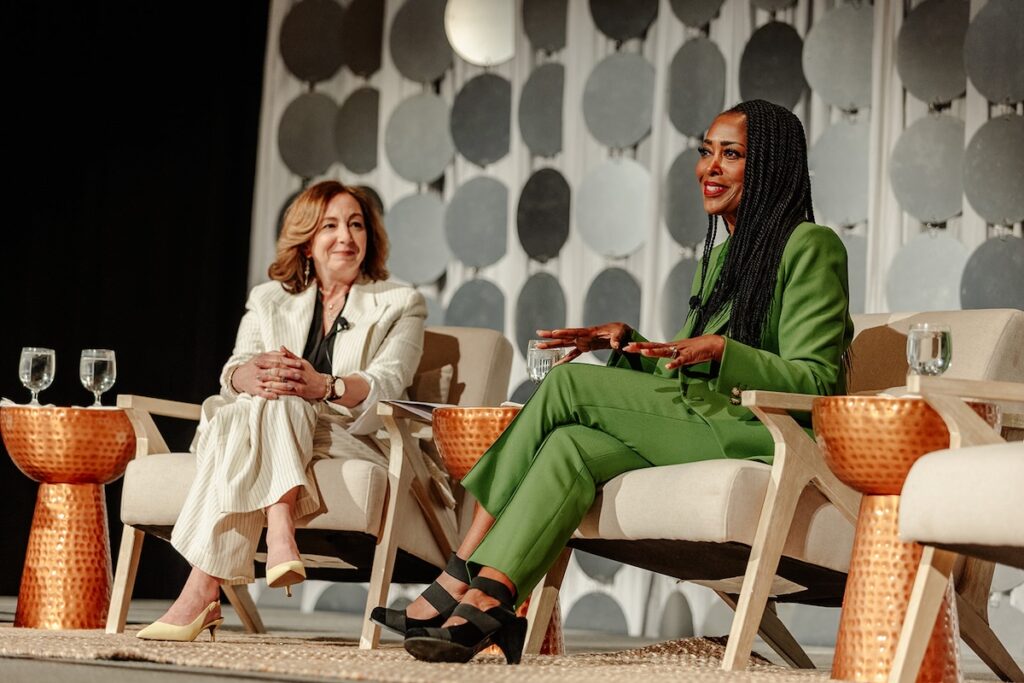
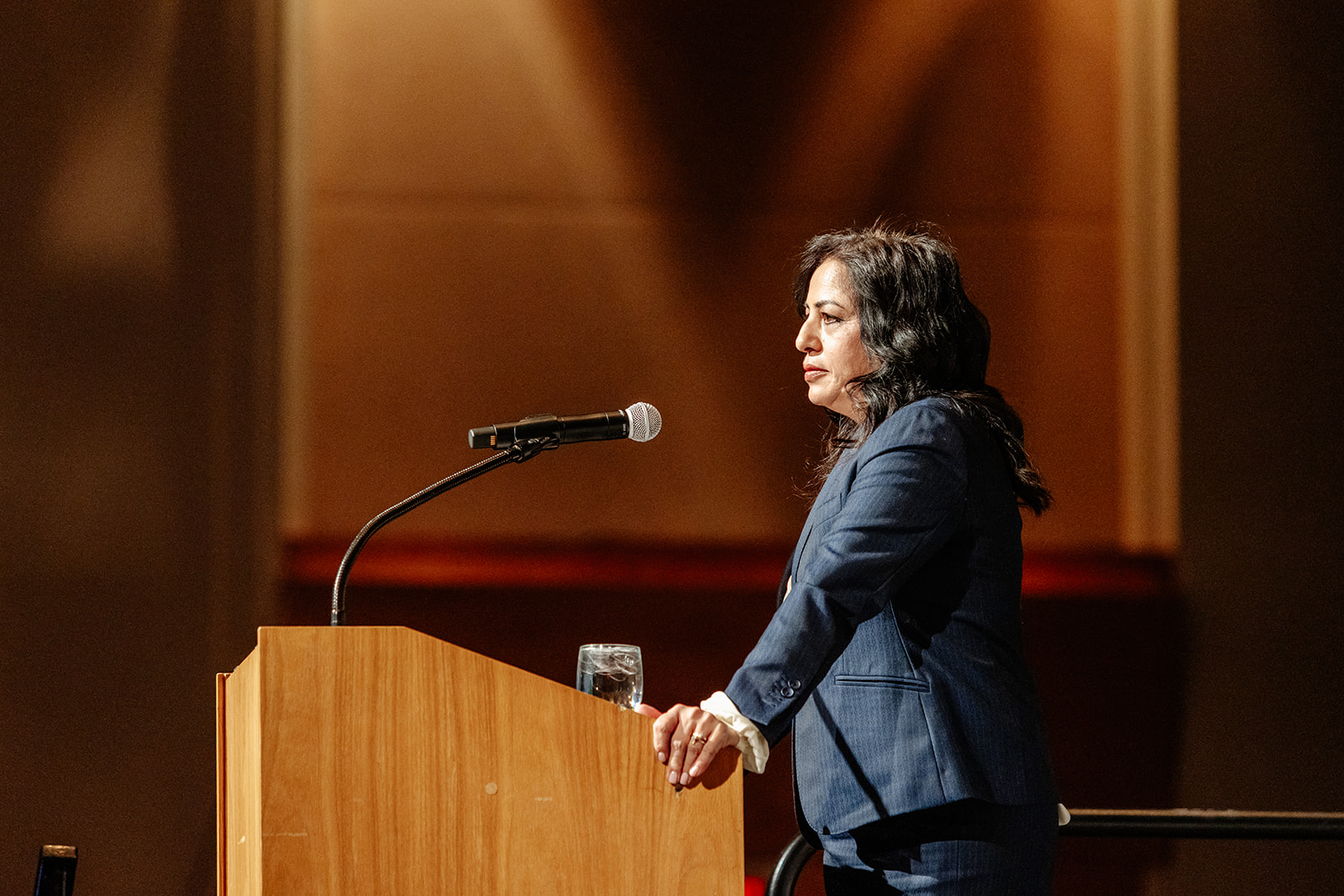
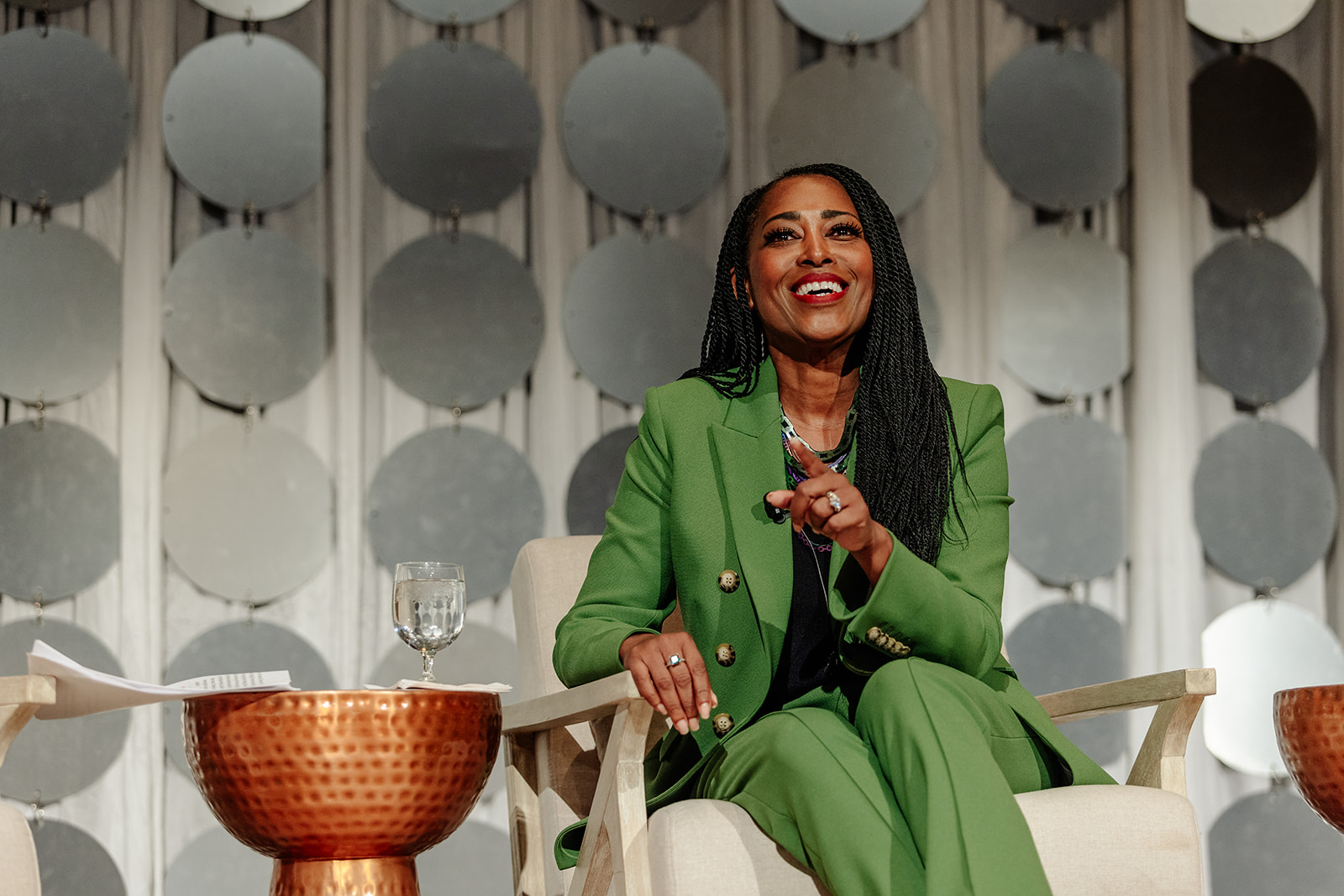
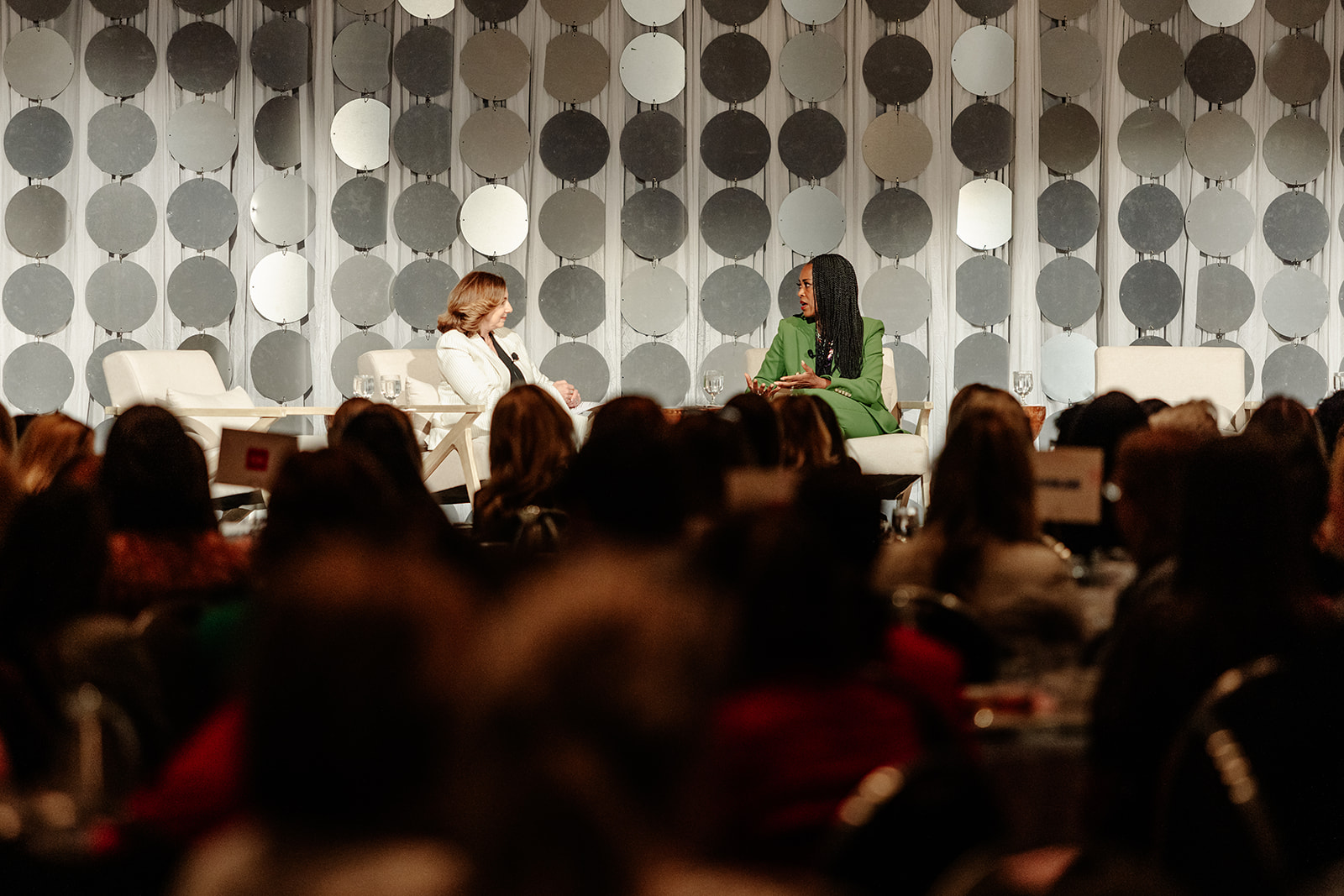
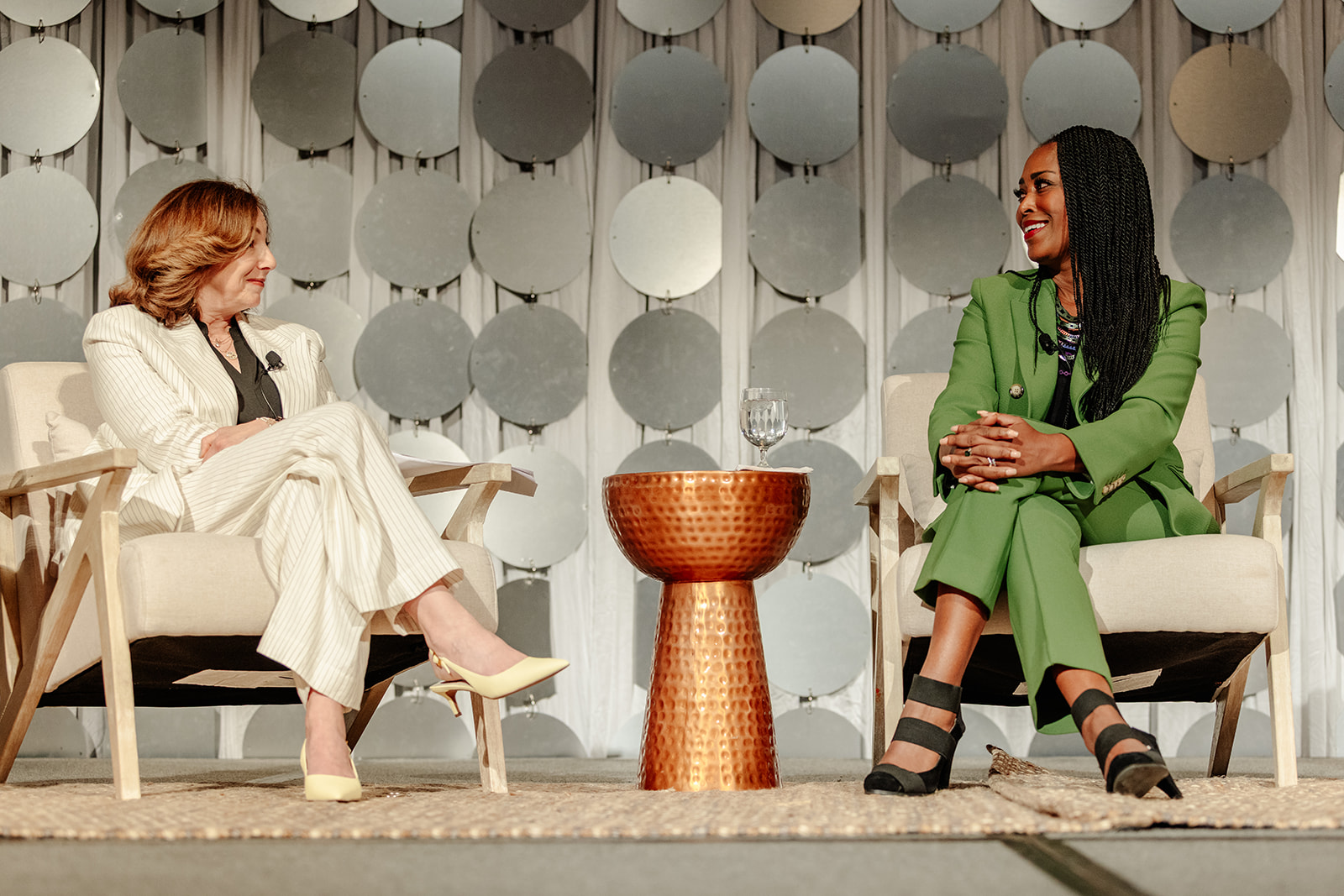
After the panel discussion, Target Corp.’s former executive VP and chief external engagement officer Laysha Ward sat down with TCB editor-in-chief Allison Kaplan to offer advice to women building their careers. Ward encouraged attendees to write a “personal purpose statement,” which she described as “your why, your reason for being, what you feel called to do at work and in the world.”
While most people can rattle off their company’s purpose statement, Ward noted, many people struggle to name their own. “This is the lantern that guides the way for you,” she said.
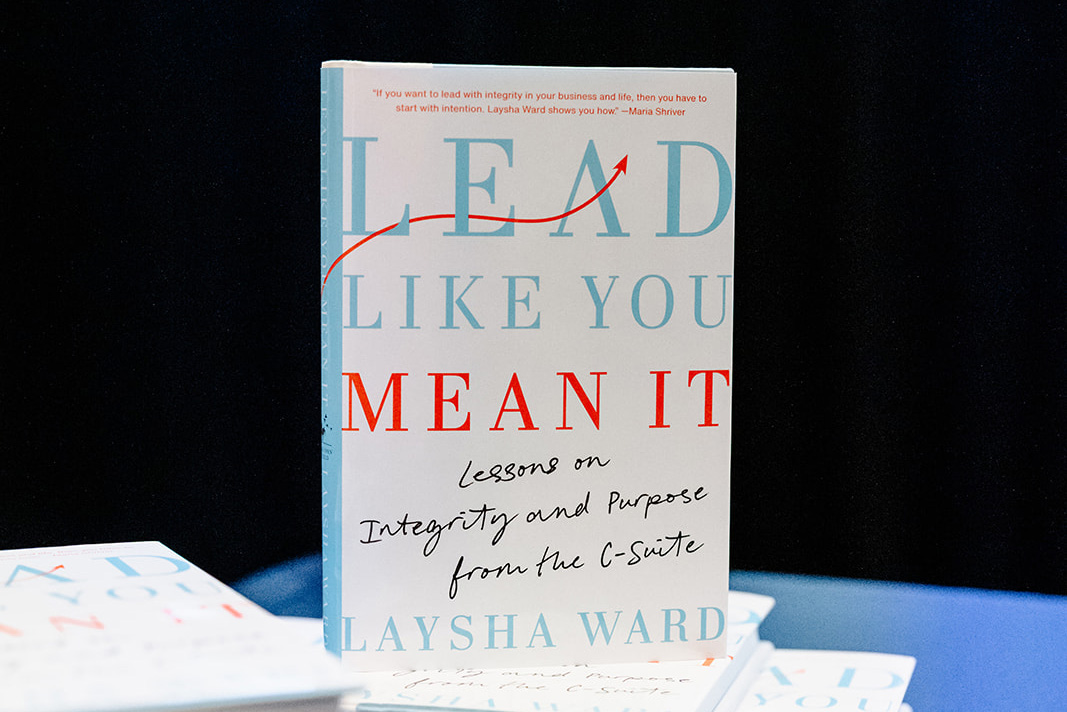
“I believe in a holistic approach to our lives and careers,” added Ward, who recently authored the book Lead Like You Mean It: Lessons on Integrity and Purpose from the C-Suite. “That holistic approach requires that you make intentional choices about your life and your career. What will you say yes to and what will you say no to? I call it the strategic yes and the strategic no.”
And while all women tend to face barriers in their climb to leadership, women of color tend to face even more. Ward relayed an anecdote about the first time she wore braids to Target headquarters in 2015 after getting back into town from a business trip to Guatemala. There were head turns and whispers, she said. “The calls came. The emails came. I was getting notes from outside the office,” Ward recalled. “The questions were, ‘Are you leaving Target?’”
While Ward hadn’t done it to make a statement, she said she opted to keep her braids after that.
“If a place where I’d spent at that time probably 25-plus years of my career, where I had receipts to prove I was a high-performer,” she reasoned, “if my hair could somehow mean more than that, then there was purpose misalignment.”
At a time where many corporations are rolling back their diversity, equity, and inclusion commitments, Ward urged attendees to “hold the line.” Progress, she said, isn’t always linear: “We step forward and step back, then step forward again,” Ward said.
Teams that embrace diversity, Ward said, “perform better and have strong results over time.”
She described diversity as not just a social or moral imperative, but also as a business imperative. Ward argued that DEI programs allow organizations “to respond effectively to markets, to their consumers, to their employees, to the communities in which they operate, and ultimately, as well, their shareholders.”
“I see it as quite clearly good for business,” she said.
TCB associate editor Erik Tormoen contributed to this report.