UnitedHealth Pushes Back Change Healthcare Acquisition
Minnetonka-based health insurance giant UnitedHealth Group on Tuesday said it’s again pushing back the closing date for its $13 billion acquisition of Nashville-based Change Healthcare.
In a news release issued Tuesday, the companies said they now expect the transaction to close on Dec. 31. When they first announced the proposed acquisition back in January 2021, the companies expected the deal to close in the second half of that year. The two parties later revised the projected closing date to April 5, 2022.
The latest postponement comes on the heels of a civil lawsuit filed by the U.S. Department of Justice and attorney generals in Minnesota and New York seeking to halt the transaction. The DOJ has argued that UnitedHealth’s acquisition of Change would stifle competition.
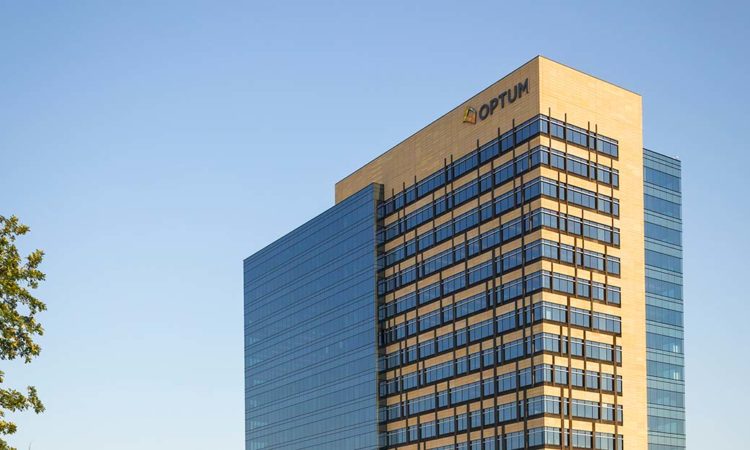
UnitedHealth said it planned to fold Change into its Optum division, a technology-oriented subsidiary that also provides direct primary care. Change also works in the health care tech space.
The companies have repeatedly fired back at the DOJ’s lawsuit, saying the government’s claims are “without merit.”
“The extended agreement reflects our firm belief in the potential of our combination to improve health care, and in our commitment to contesting the meritless legal challenge to this merger,” the companies said in a joint statement on Tuesday.
The DOJ’s suit, the companies said, “serves only to delay improving the experience and outcomes for all participants in the health system.”
A two-week trial is slated to begin Aug. 1. If the court ultimately rejects the transaction, Optum said it will pay a $650 million fee to Change.
Already the largest health insurer in the United States, UnitedHealth has been eyeing a number of big acquisitions within recent history. In late March, the company said it reached a deal to buy an in-home care provider for $5.4 billion. Back in 2019, UnitedHealth wrapped up two other multibillion-dollar acquisitions: DaVita Medical Group (purchased for $4.3 billion) and Equian ($3.2 billion).