The Bus Doesn’t Stop Here
Amtrak’s recent growth in Minnesota has been in the news of late, yet it remains a niche product for the Twin Cities. Popular regional destinations from the Twin Cities like Madison, Green Bay, Rochester, Duluth, Sioux Falls, Rapid City, and Bismarck can only be reached over land by bus.
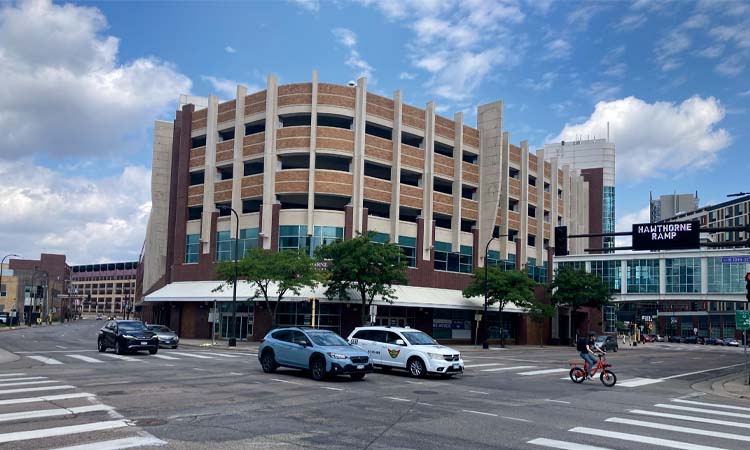
The metro is served by several bus companies, including Greyhound (owned by German concern FlixBus), Megabus (owned by bankrupt Coach USA), and locally owned Jefferson Lines, which serves the central U.S. About a year ago, in a cost-cutting move, Greyhound closed its Minneapolis bus station, relocating to a boarding space in Ramp B near Target Field.
In Chicago, the status of the company’s downtown station remains in flux. If the station closes, it will make the Second City the largest in the Northern Hemisphere without a central intercity bus terminal.
Joe Schwieterman, a transportation expert and public policy professor at DePaul University in Chicago, believes more high-profile station closings will occur, due to the industry’s challenged economics.
The intercity bus industry still carried more than 50 million rides in 2023. Despite evident demand for services, stations have closed around the nation, and several more are in jeopardy. Greyhound’s sale to Flixbus did not include downtown real estate in major cities, which was sold to hedge fund Alden Global Capital, which is marketing the land for sale. Several dozen stations are affected, including in Houston and Philadelphia.
About a year ago, in a cost-cutting move, Greyhound closed its Minneapolis bus station, relocating to a boarding space in Ramp B near Target Field.
FlixBus, which acquired Greyhound in 2021, says it’s committed to existing services in the Twin Cities. (MegaBus, which serves destinations in Wisconsin, boards at an apartment building near the University of Minnesota.)
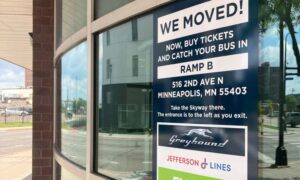 Greyhound’s now-closed Minneapolis station, basically behind the Orpheum Theatre, had been in operation since 2000, when the city built the parking ramp it sat within. It’s a considerable piece of property, consisting of a 15,000-square-foot terminal, a bus parking/loading area, storage, and office space, according to the city of Minneapolis, which owns the structure.
Read more from this issue

According to the city, the bus company was paying $11,250 a month in rent. At Ramp B, Greyhound is paying just $1,875, according to the Minnesota Department of Transportation, which owns the ramp. (Across the river in St. Paul, Greyhound relocated from the parking lot of a private business on Rice Street to Union Depot.)
The intercity bus business is challenging, says Steve Woelfel, president and CEO of Twin Cities-based Jefferson Lines, referencing tight margins. He estimates Jefferson has returned to about 85% of pre-pandemic travel volumes, mirroring the industry at large. Greyhound’s losses aren’t necessarily Jefferson’s gains, however; Woelfel says Jefferson’s last major expansion occurred in 2013, when Greyhound cut services in Minnesota.