Report by St. Paul Fiscal Watchdogs Elevates Centrist Voices
A week before the Nov. 5 election, a new citizens coalition, In$ight St. Paul, released a report Tuesday night that’s critical of the city’s high tax rates and elected leaders’ appetites for increased spending.
“Growth of St. Paul’s tax base and population are both lagging,” the authors wrote. “Deferred maintenance of basic infrastructure, rising property taxes, highest sales tax, increasing crime and challenging social issues create an environment that some people want to leave.”
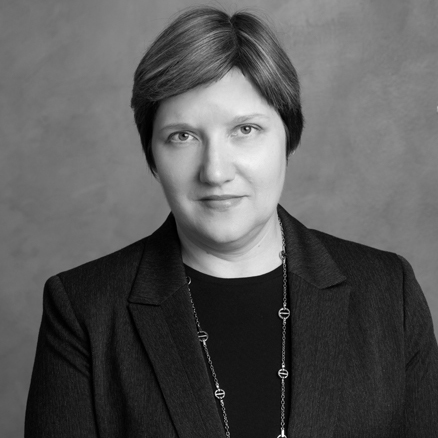
In$ight St. Paul is led by an eight-member steering committee, which includes some public figures who’ve been in and around city government for many years. Those are Jane Prince, who served on the City Council for eight years and didn’t seek reelection in 2023; John Mannillo, a developer who ran for mayor in 1993 and currently leads a Friday discussion group on public policy issues; and Gregory Blees, who worked as a city budget director for St. Paul Mayor George Latimer in the 1980s.
“We are St. Paul residents and property taxpayers who truly love our city. We own our homes in St. Paul where we have raised our families and educated our children,” said the introduction to In$ight St. Paul’s 18-page report.
It includes a plethora of data on property taxes, tax increment financing, and other topics such as tax-exempt properties.
There are two data points that are particularly important for all St. Paul homeowners and businesses. In 2022, for median-value homes, St. Paul property taxpayers paid an effective tax rate of 1.39% of each property’s estimated market value, according to the report. The authors indicated that rate was nearly one-third greater than the state’s average.
In addition, the report calls attention to the fact that St. Paul’s sales tax rate of 9.875% is the highest in the state.
Report authors said they prepared the document to “educate St. Paul residents and business owners about the city’s high-stress fiscal environment.” Their overarching goal is to advocate for budget and policy decisions that will create a sustainable financial future for city government.
“We want you to join us as we ask our elected officials to make needed budget changes that will provide for a more financially affordable and stable future with high-quality, responsive essential services,” the report authors wrote.
Earlier this year, Mayor Melvin Carter proposed an $854.9 million city budget for 2025. For the portion of expenses that are covered by property taxes, he proposed that the property tax levy be increased 7.9% to $225 million.
Fred Melo, a veteran City Hall reporter for the St. Paul Pioneer Press, told MPR host Cathy Wurzer on Wednesday morning that there’s still time for people to influence the shape of the 2025 St. Paul city budget.
Out of the blocks, In$ight St. Paul gained credibility for its work when Melo wrote and the Pioneer Press published a lengthy article on the report’s findings. The headline on Melo’s online story read: “Fiscal watchdogs sound budget alarm for St. Paul, noting high taxes, business loss, slower growth.” Melo’s story ran on the front page of Wednesday’s Pioneer Press.
MPR, which is based in downtown St. Paul, elected to do an interview with Melo to get his explanation of key facts as well as how the issues raised in the report fit into the city’s fiscal picture.
Mayor Carter and St. Paul City Council members aren’t on the 2024 ballot, but some of the findings from In$ight St. Paul could affect how some voters evaluate two ballot initiatives.
Question 1 for St. Paul voters asks: Should the city levy taxes to provide early learning subsidies? Under the proposal, the city would conduct a special levy over 10 years to fund children’s early care and education. The ballot language says $2 million would be levied year one and it would increase to $20 million by year 10.
Council member Rebecca Noecker and some of her council colleagues have argued in favor of this measure to increase the number of child-care slots and help families access high quality care. But Mayor Carter contends that this isn’t a responsibility that can be borne by local property taxpayers. When Gov. Tim Walz completed early voting in St. Paul, he told reporters he took his lead from Carter on the issue.
This split on the child-care topic indicates that some elected officials have concluded that St. Paul needs to restrain large property tax increases.
There is a second St. Paul initiative on the Nov. 5 ballot that will determine when and who votes for mayor and City Council positions.
The question for city voters is whether to shift elections for mayor and City Council to presidential election years, instead of holding them on odd years.
KARE-11 recently reported that 152,000 St. Paul residents voted in the 2020 presidential election, but only 48,000 St. Paul residents voted in the 2023 St. Paul City Council election. (Mayor Carter won his second term in 2021.)
If this measure passes, the mayor and all seven City Council seats would be on the 2028 ballot.
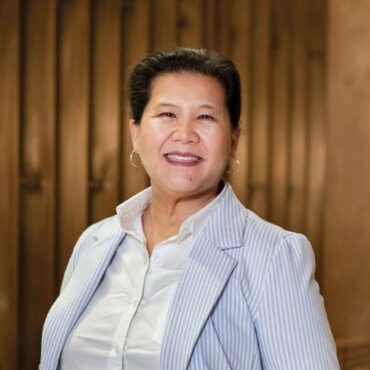
In 2023, all seven City Council members who won seats were endorsed by the St. Paul DFL. Two of the winning candidates—HwaJeong Kim in Ward 5 and Nelsie Yang in Ward 6—also were endorsed by the Twin Cities unit of the Democratic Socialists of America.
If the odd-to-even year election measure is approved by St. Paul voters, then vastly more people would choose future mayors and City Council members. Under that scenario, the odds of centrist candidates being elected would increase.
What role In$ight St. Paul or similar organizations could play in future elections is unclear. In the short term, the new fiscal analysis report can be used to help citizens identify and understand fiscal issues. The report also provides centrists, who place a high value on fiscal responsibility, a vehicle for advancing their arguments.