Nancy Lyons on Keeping the DEI Conversation Going
“Unless someone like you cares a whole awful lot, nothing is going to get better. It’s not.”
– Dr. Seuss (The Lorax)
Oftentimes when I write this column, I am sure about what I want to say and how I want to say it. This month, in light of all the things that are happening in the world, I was feeling a little uncertain and I know that many of you may be experiencing uncertainty, as well– about the future, our role in it, and honestly, what we can offer in this moment.
The truth is that–even with looming uncertainty–the future is coming whether we’re ready for it or not. And the best way to plan for and get through the future will be together.
So I thought it might be interesting to have a conversation with an award-winning business leader and share that with you. As we continue to think about what it means to lead in uncertain times, it’s important to have conversations and clarity about how you lead, what comes next, and what role inclusion should continue to play in that future.
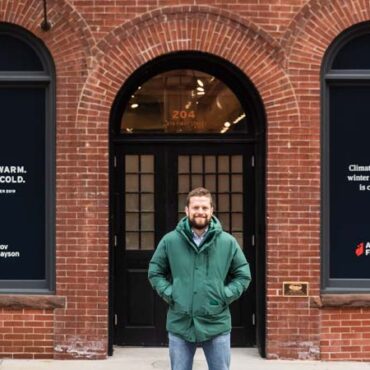
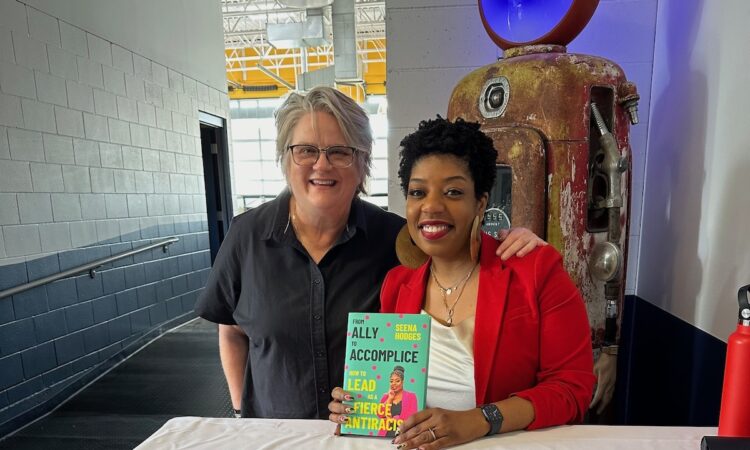
I spoke to my good friend Nancy Lyons, head of Minneapolis-based digital agency Clockwork. I believe it’s important for people with different identities to have real conversations about the issues that impact us all.
I invite you to have a read and then call or meet a friend (for coffee or happy hour) to have a conversation of your own. These ongoing conversions are an important step in building and maintaining a better future.
Seena Hodges: I always think about diversity, equity, and inclusion – or DEI – as a combo meal, if you will. I think you need all three pieces working together in order to positively impact any organization’s culture. The way I talk to clients about it is D plus E equals I, with inclusion being the goal. As you think about the moment that we’re in right now and the role of DEI in our daily lives, what’s your current position on inclusion?
Nancy Lyons: I see belonging as the ultimate goal—it’s where the real magic happens. When you combine diversity and equity, you create a foundation that naturally leads to inclusion. Right now, in the wake of societal turmoil and heightened awareness, inclusion is more critical than ever. It’s not just about having a diverse mix of people; it’s about making sure every voice is heard and valued. Inclusion is fuel for innovation, creativity, and a sense of belonging in our organizations.
Seena: As a boss lady who is committed to the work of inclusion and racial equity at your business, what changes have you seen over the past four years as a result of your company’s DEI work?
Nancy: Over the past several years, we’ve seen significant shifts at Clockwork. We’ve cultivated a more inclusive culture where people feel safer expressing themselves fully. This has led to richer, more innovative ideas and stronger team dynamics. We’ve also implemented more equitable hiring practices which has helped us attract and retain a diverse workforce. These changes haven’t just improved our culture—they’ve also strengthened our client relationships and business outcomes.
Seena: How have recent world events shaped the way you think about leading with a DEI lens?
Nancy: It’s profoundly influenced my approach to leading with belonging in mind, highlighting the urgency and importance of addressing deep-rooted inequities in our systems. The pandemic, racial justice movement, and increasing social and economic disparities have shown the need for leaders to be more empathetic, attentive, and committed to meaningful change. These events highlight the disproportionate impact on underrepresented communities and reinforce the need for inclusive decision-making. Ultimately, the events of the last few years have reinforced that inclusion is fundamental to responsible and effective leadership, driving systemic change for a more equitable world.
Seena: To build on that, I find it true that leaders need to possess certain attributes in order to effectively shape and lead their organization. I often offer that those attributes include empathy, fearlessness, and loads of self-awareness. What other attributes or traits would you add to that list?
Nancy: I love that list! I’d add resilience because this work is a marathon, not a sprint. Leaders need the stamina to stay committed when things are hard. Also, adaptability is critical. The landscape of DEI is always evolving, and leaders need to be able to shift quickly to respond to new challenges and opportunities. Humility is also key. Self-awareness and the ability to recognize that we don’t have all the answers (while always being open to learning) are essential in this work.
Seena: Here’s another issue. We know that when budgets get tight, sometimes the items that we cut are things that we believe to be ancillary or things that we feel like we have “conquered,” if you will. When it comes to the work of DEI and racial equity, how do you juggle the fact that that work needs to be done when it can be met with the reality of budget constraints?
Nancy: It’s all about priorities. DEI work shouldn’t be seen as optional or non-essential —it’s fundamental to a healthy, thriving organization. When budgets are tight, I look for creative ways to continue the work of inclusion. This might mean reallocating resources, finding external partnerships, or integrating the work into other areas of the business so it becomes part of everything we do. Cutting DEI efforts is short-sighted; the long-term benefits absolutely outweigh the costs.
Seena: What advice do you give other leaders who might be struggling to make the same financial decisions?
Nancy: I tell them to view this work as an investment, not an expense. The return on the investment is significant—increased employee engagement, better problem-solving, and a more robust bottom line. I also encourage leaders to be transparent with their teams about financial realities while reinforcing their commitment to DEI. Get creative about the learning opportunities. Sometimes, it’s about small, consistent actions rather than grand gestures.
Seena: What goes through your mind when companies like Microsoft and Google downsize, or fully eliminate, their DEI departments?
Nancy: It’s disheartening and concerning. When large, influential companies pull back on DEI, it sends a message that this work is optional, which it isn’t. These decisions minimize the value of DEI. They remind us that we have to double down on our efforts and advocate for the importance of the work, especially during challenging times. They also call on smaller organizations to step up and fill the void. That’s why Clockwork remains committed. If the bigger organizations can’t be the examples the world needs,we will be.
Seena: As we consider recent world events I feel like being “woke,” or antiracist, or committing to DEI is seen by some people as a negative, which I totally disagree with. Since I am inside of businesses and organizations, I continue to see the overwhelming need for the work. Four years does not 400 years erase. As you look across the landscape of the Minnesota business community, what are your thoughts on how we are impacted by inclusion whether we decide to get to work or not?
Nancy: Inclusion is a game-changer for the Minnesota business community. Organizations that embrace DEI are more innovative, more resilient, and more competitive. When we commit to this work, we create an environment where everyone gets to contribute. At the same time, ignoring DEI means missing out on diverse perspectives and talent, which inhibits growth and progress. Inclusion isn’t just the right thing to do—it’s the smart thing to do for our community and our economy.
Seena: I often talk to clients about personal responsibility, business objectives, moral imperatives, and the like, but from your perspective, why should people care about inclusion and antiracism and participate in ongoing DEI work?
Nancy: People should care because it’s about creating a better world for all of us. Inclusion and antiracism are about fairness, justice, and tapping into the full potential of the communities we live in. Participating in DEI work helps dismantle systemic barriers that hold people back. It fosters a culture of belonging and respect. Plus, the data is clear: diverse and inclusive organizations outperform those that aren’t. So, it’s not just a moral imperative—it’s a business imperative too.
Seena: Anything else you want to add?
Nancy: Just this: DEI work is everyone’s responsibility. It’s not a checkbox or a one-time initiative. It cannot live on an island. It has to be infused in everything we do. It’s an ongoing journey that requires commitment, courage, and collaboration. And we need to commit to this journey. We need to support each other and keep pushing for a more inclusive, equitable future. The work is hard and sometimes uncomfortable, but it’s worth it. Not just for our workplaces. But for the world we want to live in.
Until next time!
Love,
Seena