Minnesota Exports Grew to $7.1B in 2Q

Minnesota’s exports bumped up by 17% to $7.1 billion in the second quarter, driven largely by big upticks in trade with Canada and Mexico.
That’s according to the state’s latest export report released Monday. Exports to Canada leapt 40% to nearly $2.2 billion. Exports to Mexico, meanwhile, grew 44% to over $1.1 billion.
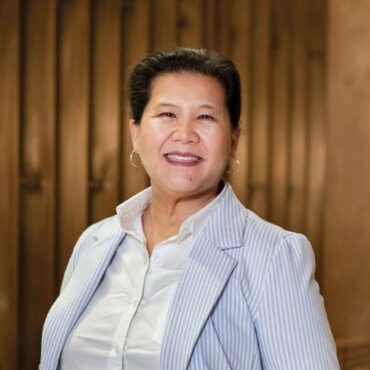
Perhaps unsurprisingly, the optic and medical category comprised the largest chunk of Minnesota’s exports worldwide. In the second quarter, the state’s exports of those products grew 17% to over $1.2 billion. “We know med-tech is a really important part of our economy,” Lt. Gov. Peggy Flanagan said in an interview Tuesday morning. “Whenever I travel or meet with folks internationally, it is always something that is brought up. … Med-tech is on virtually every trade mission that we do.”
She said that the medical technology sector has been a key focus for the Walz administration.
Medical products figured prominently into Minnesota’s trade with Australia, which has become the state’s 10th largest trading partner. Minnesota exported $160 million worth of goods to Australia, and the optical and medical category comprised $27 million of that.
Flanagan noted that Minnesota-based companies operate more than 700 locations in Australia.
A year ago, Gov. Walz made the state’s first trade mission to Australia.
Meanwhile, Minnesota’s exports of cereal worldwide fell by about 15% on a year-over-year basis.
Though the state’s exports have been increasing generally, the benefits might not be felt by everyone. Minnesota farmers, for instance, have been contending with considerable drops in income; last year, they saw a whopping 76% decrease in income. According to USDA data, American farmers’ income is set to drop again in 2024.
For her part, Flanagan said that the issue remains a top priority. She said she’s been spending time visiting farms throughout the state during her tenure in office. Flanagan, who’s recently stepped into the spotlight as Walz mounts a national bid for vice president, also said she pushed for more agriculture funding in the state’s most recent legislative session.