Community Building: CAPI USA
When new Afghan refugees arrived in Minnesota at the end of 2021, CAPI USA was not prepared, CEO Ekta Prakash says. The nonprofit’s budget had already closed for the year. But there were 250 families—almost 600 individuals—on their way to the Twin Cities, so CAPI found a way to support them, despite limited resources.
For Prakash, this meant scrambling at the end of December. CAPI had to hire overnight 8 to 10 people for language-specific jobs to provide intensive case management to families so they could establish a place of belonging and a sense of community in Minnesota.
“It was not an easy task,” she says, noting it took a mission-driven staff ready to step up to fill a need.
When providing resources to many immigrants and refugees, it’s important to understand that many never return to their home country, says Prakash, who immigrated to the U.S. from India 21 years ago.
“They have to find a home. They have to connect. And it’s overwhelming because the whole society looks different. People don’t look like us and the culture is different. You have to drive for everything. You have to find a school,” she says.
“It cannot be what CAPI wants, it’s about what the community needs.”
—Ekta Prakash, CEO
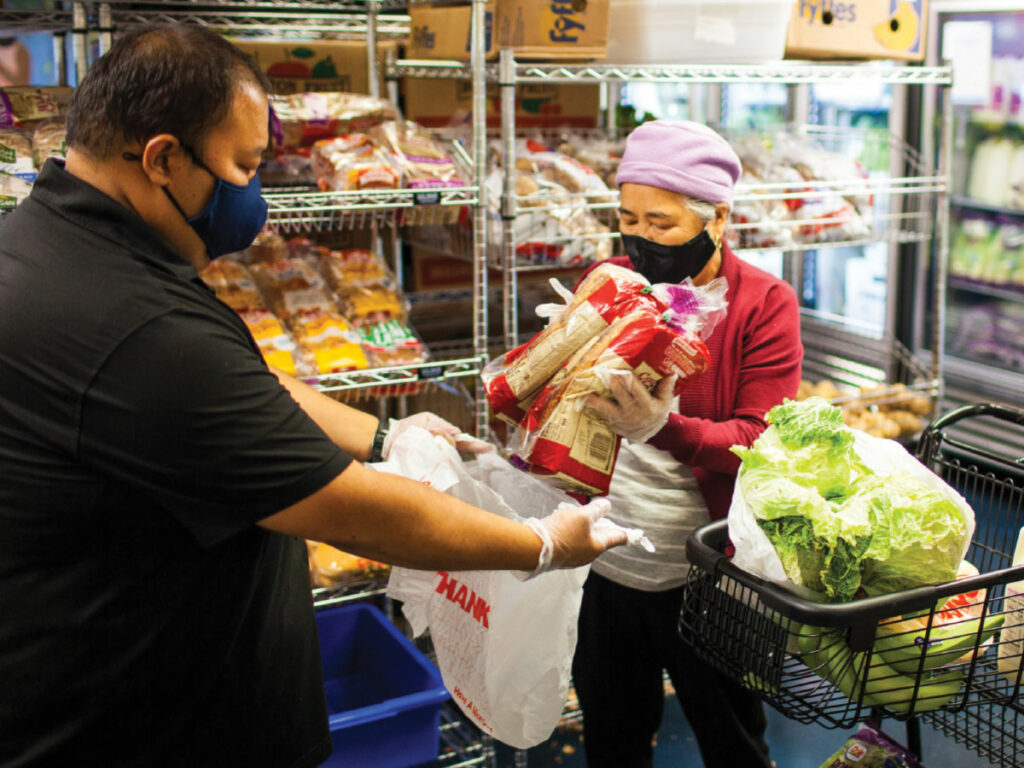
This turn-on-a-dime pivot to offer resources in real time is what CAPI USA does. The organization started as the state’s first Asian-specific food shelf in 1982, helping refugees coming to the U.S. after the Vietnam War. At the time, CAPI was mostly serving Southeast Asian communities.
In 1990, the organization identified new groups in need of services as refugees arrived from East Africa. It also expanded services to support BIPOC communities born in the U.S. CAPI, which originally stood for Center for Asian and Pacific Islanders, rebranded to CAPI USA in 2008.
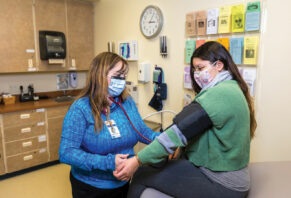
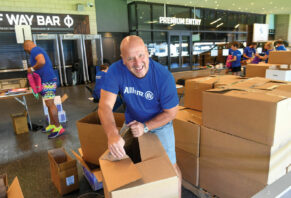
CAPI distributes hundreds of thousands of pounds of food each year. But the food shelf is just one of several community services. The organization employs around 52 people who speak a total of 16 languages, and they serve about 11,000 people a year. The nonprofit provides everything from Covid vaccination clinics to financial assistance and career readiness courses. CAPI also facilitates case management support for families facing homelessness and offers emergency housing.
Funding through community and corporate donations is more crucial than ever, Prakash says. As inflation drives up prices, the cost of living has also skyrocketed. Rising demand along with higher costs for services has put pressure on the food shelf. CAPI is now spending thousands of dollars more than it did in the past for the same amount (or less) of its usual products.
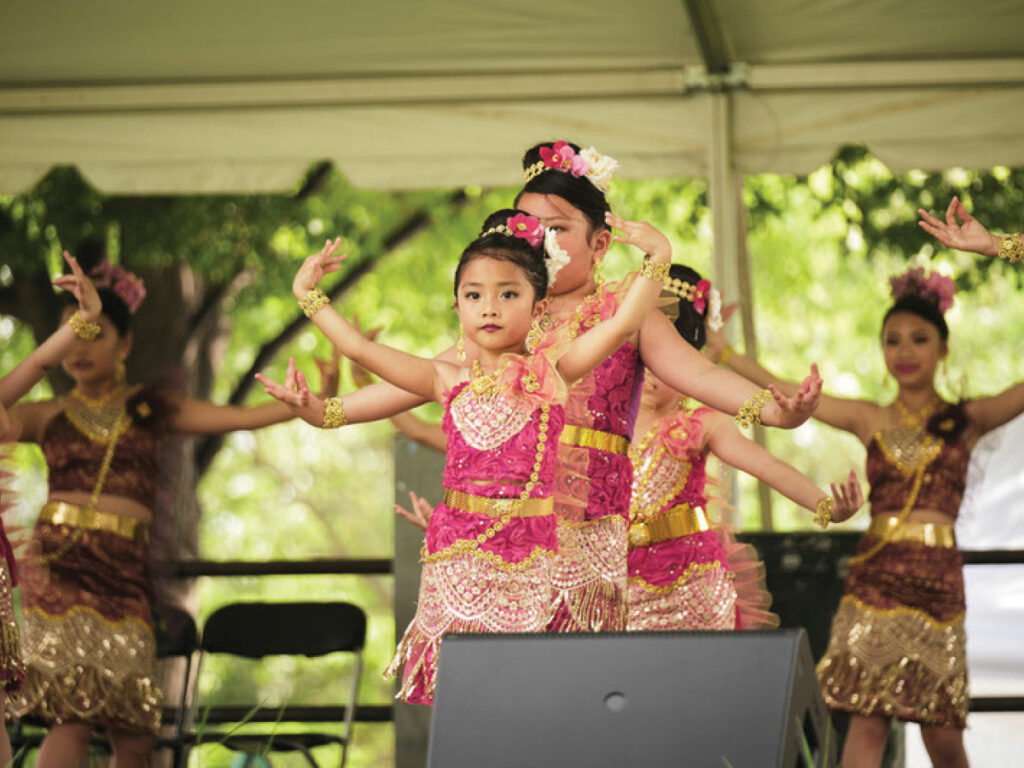
Moving forward, CAPI hopes to expand its Brooklyn Center location within the next three to five years, but this depends on funding. It will hold its first in-person Twin Cities World Refugee Day event since Covid on June 11. The event celebrates refugees and the diversity of cultural experience they bring to the community. But ultimately, what comes next is not up to CAPI, Prakash notes.
“It cannot be what CAPI wants, it’s about what the community needs,” she says.