Did Minnesota’s THC Beverage Boom Just Go Bust?
This story is about the perils of loopholes. It was supposed to be a story about the burgeoning THC beverage industry’s challenges in getting on restaurant and bar menus, but as this TCB went to press, Congress went and outlawed the industry.
THC bevs existed in a legal loophole. The 2018 federal Farm Bill took hemp off the controlled substances list. The goal was to seed an agricultural industry, as hemp has uses beyond intoxication; agricultural hemp is defined in the law as having a THC concentration under 0.3%. (Hemp and marijuana are the same plant species, the latter having a much higher THC concentration; THC is the substance that produces the high.)
Many states, including Minnesota, used the hemp loophole to authorize intoxicating THC businesses; because even at 0.3%, if concentrated enough, the product acts like weed.
Minnesota authorized “low-dose” hemp edibles, including drinks, in 2022, with minimal regulation—our loophole.
Marijuana is still a schedule 1 drug. But it can be legalized in individual states if the commerce never crosses state lines. State cannabis businesses cannot engage in interstate commerce, participate in the banking system, or take federal tax write-offs, making profitability a challenge.
Hemp THC businesses have no such encumbrances, which means they attract more entrepreneurship. Especially in the local brewery sector, which was laboring under a secular decline in alcohol consumption and looking for new business lines.
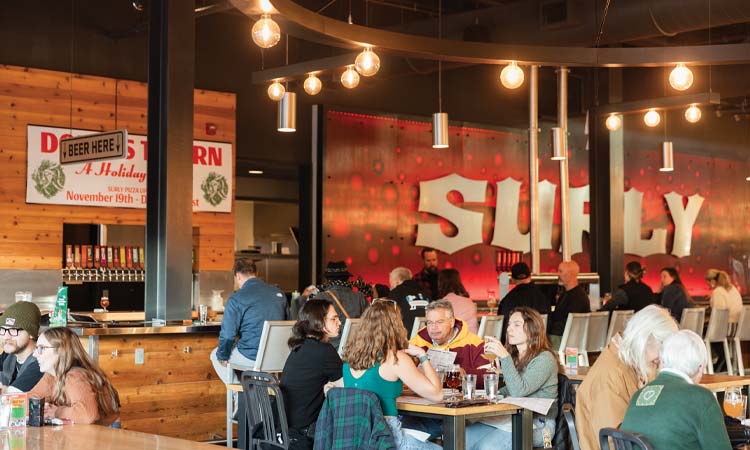
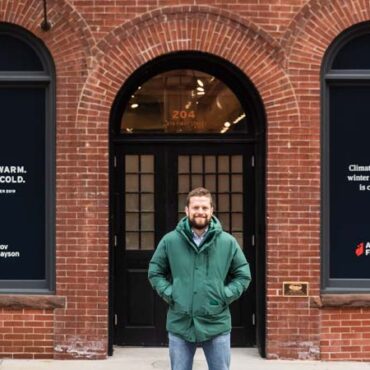
“Many local breweries can’t survive now without THC,” says Surly Brewing founder Omar Ansari. “Beer sales are down 30–60%. The GLP-1s [weight-loss drugs like Ozempic] are depressing [alcohol] demand. The economy is depressing demand. Alcohol ebbs and flows.”
THC takes effect much faster in liquid than in solid food, creating a distinct edge for drinks (though the edible business has also thrived nationally). At year’s end, hemp-based THC will fall under many of the same Minnesota regulatory provisions as marijuana. But the state can’t take away their inherent advantages as a federally legal product.
But Congress could.
“We knew there was a regulatory risk,” says Glenn McElfresh, CEO of Chicago-based Plift, which manufactures THC seltzers.
Hemp THC is estimated to be a $28 billion business nationally, but not every state has created a regulatory apparatus like Minnesota, and in some states very high-potency hemp THC products are sold willy-nilly across retail categories. Inevitably problems ensued.
Which caught the eye of elected officials, including Minnesota attorney general Keith Ellison, who in November joined 38 other attorneys general and called for closing the hemp loophole but then backpedaled after the local industry cried foul. But after years of threats, a clause was inserted into the legislation to end the government shutdown that banned hemp THC products, even ones containing primarily CBD for pain relief.
“We are the loophole!” says Ansari. “We’re all for regulation and taxation. There are bad actors selling crazy products, but they took over the narrative. When the Minnesota AG says the system is not working, that has impact.”
The hemp THC ban has a one-year phase-in, giving the industry time to make its case in Washington. “We either have to pack it in or make the most compelling argument we’ve ever made,” says McElfresh. “I’m scared for my business and my industry colleagues.”
The only alternative is to reorganize as intrastate cannabis businesses. In Minnesota, breweries would not be able to serve both THC and beer. Manufacturers would lose interstate scale and tax deductions. “They’re not really viable businesses without those things, it’s untenable to operate in the cannabis space,” McElfresh notes.
Additionally, with Minnesota’s strictures on scale and eligibility for cannabis licenses, “I’m not sure [our] businesses could secure a license,” McElfresh adds.
Read more from this issue

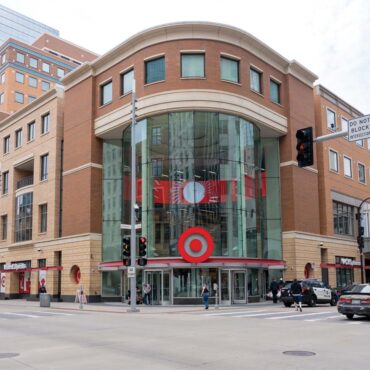
He says a majority of the craft brewers in Minnesota market THC drinks, and hemp represents up to half their product mix. Even Target had added the beverages in a 10-store test.
Washington’s hemp loophole created a patchwork where regulation-minded states like Minnesota paradoxically allowed an industry to prosper, while anti-regulation venues have seen the Wild West ensue, which in the long run proved the industry’s undoing.
So drink ’em while you’ve got ’em, because the party may be ending.