A Clean Bill of Health

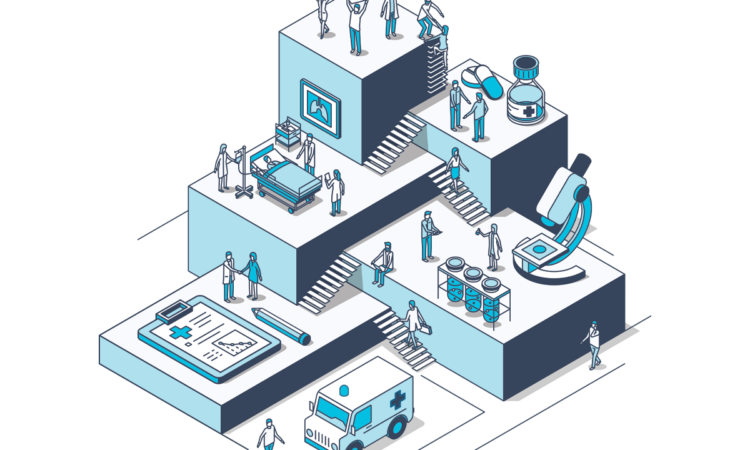
Filling the holes in rural health care delivery. Making systematic changes for the future of nursing. Addressing the generic drug shortage crisis. Outsourcing RCM solutions. Leaders in health care and adjacent markets are charting a path toward a human-centric future where accessibility, affordability, and transparency are at the forefront.
These local health care organizations are leading the charge in pioneering real, structural change for a healthier Minnesota.
A New Era for the Medtech Market
Innovation in the medical device space has ushered in a transformative era that is redefining patient care, treatment efficacy, and health care accessibility. Medical devices have evolved from mere tools to intelligent, interconnected learning systems, thanks to component miniaturization, advanced materials, software, and algorithm development. This convergence of technologies has paved the way for a new era of precision medicine, where interventions are tailored to individual patient needs.
Modern device innovation is leading to smaller, smarter, and more minimally invasive solutions that provide advancements in memory, power management, and full-sensing solutions. Integrated sensors offer continuous monitoring, enabling real-time data for proactive health management. This shift facilitates non-invasive procedures, precise interventions, and personalized treatments.
The surge in innovation highlights the growing importance of medical device outsourcing partnerships, driven by the demand for quicker innovation timelines and the swift time-to-market facilitated by these collaborations. Strategic and vertically integrated outsourcing partners capitalize on their expertise in device design, supply chain management, and the evolution of advanced component technologies.
Spanning across designing, developing, and manufacturing cutting-edge devices for health care markets, Cirtec Medical leverages technology investments and strategic relationships to push the boundaries of medical device development and meet the evolving needs of customers, elevating their solutions and fast-tracking their market entry.
For Many Health Care Providers, it Pays to Outsource RCM
Effective revenue cycle management (RCM) is vital to keeping practices solvent in a post-COVID environment. As health care providers battle shortages in RCM talent, they’re forced to create more with less. That’s why it is imperative to optimize billing, decrease and overturn denials, and sustain successful operations—whether in an insourced or outsourced model.
Both hospitals and physician practices have had to get better and quicker at protecting the collectability of their current claims while ensuring significant focus is paid to their legacy accounts receivable (AR).
Optimizing your revenue cycle starts with an in-depth assessment comprised of evaluating your processes; determining the utilization of technology, staff, and claims count; understanding industry best practices; and creating, implementing, and tracking KPIs. Only with a true understanding of the factors that play into their unique revenue cycle is when providers can implement industry best practices, tighten controls, and strategically configure their AR systems to maximize their bottom line.
RCM assistance is a revenue-driving expense that can carry a noticeable return on investment of the professional fees. Now, more than ever, the crucial step is to take timely action to secure assistance, implement necessary changes for higher rates of clean claims, minimize ongoing account aging, and maximize revenue.
To learn more about EisnerAmper’s outsourced RCM services, visit eisneramper.com/revenue-cycle.

Small Towns, Big Needs
Health care hurdles are particularly pronounced in rural America where residents tend to be older, experience higher rates of chronic illness, travel further, and have less access to medical facilities. With a service area that is 84% rural, we navigate and experience these challenges daily. In fact, eight of Essentia‘s 14 hospitals are designated as Critical Access Hospitals, located in communities with no other hospital nearby. Our emphasis on increasing access and prioritizing prevention is key to building healthier, happier communities.
A nationally recognized leader in value-based care, we’ve been able to reduce costs and improve patient outcomes by focusing on prevention and managing chronic conditions. For Medicare patients alone, we saved taxpayers nearly $60 million in health care costs over the past five years while improving care quality. This is evidenced by three of our hospitals earning five-star CMS ratings in 2023, and Essentia ranking atop the Minnesota Health Care Quality Report.
Read more from this issue
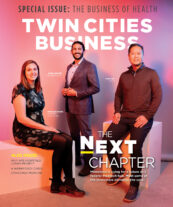
Increasing access is key. We make better use of our rural facilities through our innovative capacity command center that coordinates care systemwide, allowing us to serve hundreds of additional patients per year. These folks receive the right level of care closer to home, which opens beds in our larger hospitals for higher-acuity patients. Our community paramedics program brings preventive care to high-risk patients at home, keeping them safe and out of the hospital.
We are proud of these initiatives, showcasing the tireless efforts of our providers, nurses, and other staff as they lead the way in pioneering solutions in health care.
In the land of 10,000 innovations, Minnesota’s medtech industry hits a high note
Despite notable challenges and volatility, Minnesota’s medical sector grew in the first part of the decade. Total employment grew from Q2 2019 to Q2 2023 across all segments of the sector. The state’s health care and social assistance industry added over 7,000 jobs in that time. Biopharma and medtech industries also expanded jobs, adding nearly 5,300 jobs since mid-2019. Current Employment Statistics data shows that Minnesota’s health care and social assistance saw particularly strong performance in the middle part of 2023. The industry was the largest contributor to job growth in the state through October 2023, expanding by 3.9% and adding 19,000 jobs since January on a seasonally adjusted basis.
Source: Minnesota Chamber of Commerce

A Holistic Learning Culture for Health Care’s Next Gen
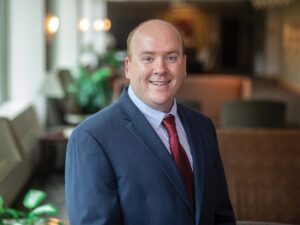
For St. Catherine University’s School of Nursing (SoN) and Henrietta Schmoll School of Health Sciences (HSSHS), addressing the ongoing shortage of health care professionals begins in the classroom. Our undergraduate nursing programs are specifically endorsed as holistic nursing programs, which means that holistic content like meditative and contemplative practices are integrated into the curriculum—to the benefit of caregivers as well as their patients.
This integrated approach to health care equips students to better care for themselves as they move into their practice. In response to the challenges facing health care professionals, HSSHS has also created a psychological skills training program that teaches stress management to help students confidently meet the demands of their studies and the workforce.
St. Kate’s equips students with an education that targets skills like stress management and finds innovative ways to enhance clinical experiences to graduate confident and resilient students into the workforce. We do that by making sure that our faculty are well-prepared, that we’re listening to our clinical partners and the communities we serve, and that we’re tuned into the changing health care landscape.
One of the keys to addressing this shortage is strong partnerships and conversations with local health care organizations. In addition to affiliation agreements with all major Twin Cities health systems, the SoN and HSSHS maintain partnerships with local health care organizations, including the SMMART (St. Mary’s Medical and Rehabilitative Therapies) Clinic with the St. Mary’s Health Clinics and the Bear Care Health and Wellness Clinic. These opportunities allow students to provide care to underserved and insured patients while gaining clinical experience.
Through these partnerships, St. Kate’s identifies opportunities to share expertise and provide new pathways for those already in the workforce. Pairing students’ work experience with further education can reduce barriers like time and money and help them meet career goals. We’re committed to building degree programs that provide credit and advantages for students with prior experience in the health care world, especially with a non-degree credential.
It’s important to help current and future health care workers gain the experience and education they need to find the role that fits them best, so they can provide the best care possible.
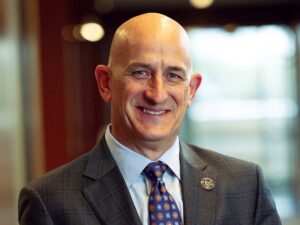
Generic Drugs Are Currently in Jeopardy
Drug shortages are a looming health issue that will demand more attention in 2024. As it stands, the U.S. is currently experiencing a shortage of 150 drugs, most of which are generic medications—cheaper and equally effective alternatives to their brand-name counterparts. Maple Grove-based generics manufacturer Upsher-Smith has been consistently recognized in the pharmaceuticals industry for a reliable supply of product. But maintaining it will not be easy.
That’s because the generics market is facing a flurry of significant challenges: fierce global competition (mostly from offshore companies); compressed margins (profits for certain drugs are so low, some companies stop making the drugs altogether); and increased government regulations. Last spring, Minnesota passed a law that disproportionately impacts generic makers for the state’s definition of price gouging, while leaving the high cost of brand-name drugs unaffected. (This law is being challenged in court.)
The industry needs more communication and education to address this complex issue, but progress is being made: late last year, Upsher hosted several Minnesota legislators for an in-person conversation about generics, including some who had previously voted for the legislation.
This marks a positive step forward, illustrating a growing awareness and commitment to navigating the intricacies of the industry.