Wolves Back … in the Black?
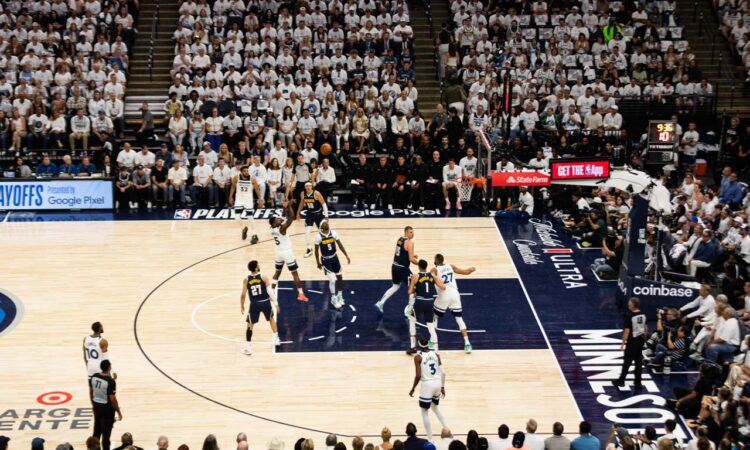
As the Minnesota Timberwolves get set to begin the NBA’s Western Conference championship series tonight at Target Center, the playoff run — the team’s most prolonged since 2004 — has the potential to transform its bottom line. Owner Glen Taylor has long been quoted as saying the Wolves’ history of losing inhibited its ability to turn an operating profit. (Though his asset’s value has risen meteorically, win or lose.) If so, the 2024 playoffs are a changemaker.
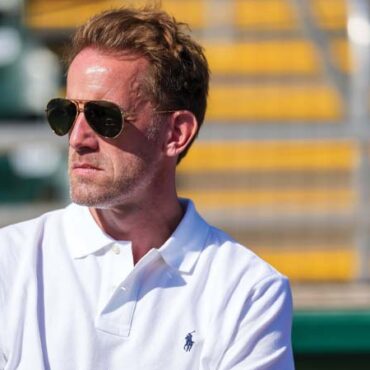
“If you make the playoffs you’re going to get into the black,” says retired NBA executive and sports marketing professor Bill Sutton. “For that season, and it’s a launchpad for the next season, and the season after that.”
Sutton was a consultant to the Wolves in their early days and is familiar with the team’s legacy of struggle. He notes that sports require people’s time, money, and emotional investment. “Money is easy, but the other two take effort. That’s what’s at stake right now.”
He says if the Wolves can make the NBA finals, “it’s a game changer, you’re a national story.”
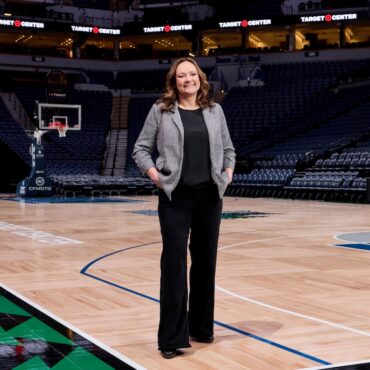
According to Wolves’ COO Ryan Tanke, the immediate-term benefit is additional sold-out home games at inflated playoff ticket prices and all the revenue that comes from them, from concessions to gear. There’s also a “long tail” that Tanke anticipates, including opportunities in season ticket sales and marketing. “You’re building affinity to your brand,” during the playoffs, he says.
Tanke notes the Wolves have sold roughly 3,500 new season-tickets (from a 7,500 ticket base at the current season’s start) and expects the 500 remaining lower bowl seats to be gone before playoffs’ end. This summer the Wolves will go to market with their game jersey “asset,” the logo players wear—currently Boston-based technology security firm Aura. “[Anthony Edwards] has the most social media engagement of any NBA player,” Tanke says. The value of a corporate logo on his jersey has risen dramatically in the last few weeks.
Tanke says the team’s 550-seat Lexus Club is sold out, so it’s adding 500 more premium seats and a second club over the summer to meet demand. (Target Center is the only remaining NBA arena to have more seats in the upper bowl than the lower, limiting the Wolves capacity to maximize arena revenue.)
Wolves’ engagement is up across the board, its TV audience double that of the 2022-23 season. Tanke says the Wolves are well on their way to a goal of doubling the fan base by 2027. “You can see it everywhere,” he adds, “from people walking in downtown to the number of jerseys on sale at Dick’s.”
Sutton is a big fan of Wolves CEO Ethan Casson, calling him “one of the best in all of sports,” and credits him for “walking the walk” and building a top-tier organization. “We always told our clients, you need to build the engine no matter how the team is playing, and they have done that.”
The potentially unprecedented playoff run (the 2003-04 Wolves lost to the LA Lakers in six games in the conference championship) comes as the organization is under the cloud of an ownership dispute. Longtime owner Taylor sits courtside at games, often across from limited partners Alex Rodriguez and Mark Lore, who were to be majority owners by now, had Taylor not cancelled their purchase. Sutton believes the NBA will let the legal process enumerated in the sale agreement play out, and abide by its outcome.
Either way, he believes “these are the best days for this franchise since the early days when they were drawing 40,000 folks in the Metrodome.”