


 What’s this?
Where CEOs Go to Think Better
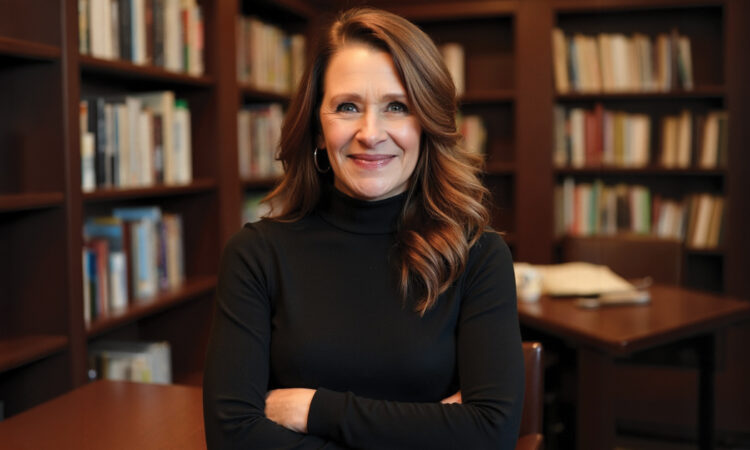
Raised on a dairy farm in Minnesota, Christine Pouliot learned early the value of hard work, accountability, and resilience. She later spent more than 30 years with Cargill, where she served as a global information technology leader guiding teams across more than 40 countries. During that time, she led complex global initiatives, including integrating acquisitions, restructuring international teams, and outsourcing a global service organization supporting businesses around the world.
Today, Pouliot brings that experience to her role as a Vistage Chair and executive leadership coach, working with CEOs and senior executives across the Twin Cities and surrounding region to strengthen leadership and sharpen decision-making.
How do peer advisory groups help leaders make better decisions?
At some point in every CEO’s journey, the challenge shifts from capability to perspective. The decisions become heavier, the consequences travel further, and the circle of people who can offer candid, informed challenge grows smaller.
In a peer advisory group, leaders bring forward real issues — succession planning, leadership team conflict, capital investments, acquisitions, culture challenges — and place them on the table for discussion with other experienced executives committed to candor and accountability.
Blind spots surface more quickly. Assumptions get challenged. Strategic clarity sharpens.
The goal isn’t consensus. The goal is better thinking — so leaders leave the room with clearer judgment and a commitment to act.
How do you build effective peer advisory groups?
A strong peer group is intentionally constructed. I spend a great deal of time identifying leaders who will both benefit from the group and contribute meaningfully to the thinking of others.
I look for diversity of experience and leadership paths across industries, generations, and ownership structures. Some members built the businesses they lead. Others bought companies or are part owners. Some were recruited to lead family-owned organizations or private equity–backed companies.
I’m also deliberate about bringing together both men and women because we often approach leadership challenges differently.
That range of experience creates a real depth of perspective around the table. When leaders with different backgrounds challenge each other’s thinking in a confidential environment, the quality of thinking in the room rises dramatically.
What distinguishes the Vistage model from other leadership forums?
Two things stand out.
First, the level of learning leaders experience throughout the year. Our groups regularly bring in highly sought-after experts for deep, three-hour workshops on issues CEOs rarely have time to study in this kind of depth — topics like building an investment-grade company, strengthening leadership influence, driving accountability, shaping culture, or improving financial decision-making.
Second, the way leaders work through real business challenges together. When a member brings an issue to the group, the conversation isn’t a quick round of advice. We take time to understand the underlying dynamics, explore implications, and uncover root issues before ideas are shared.
That structure leads to much more thoughtful discussion and stronger decisions.
Behind the scenes, members also benefit from a broader ecosystem — access to research, strategic planning tools, business valuation insights, and a global community of leaders facing similar challenges.
What do you find rewarding about guiding these leadership discussions?
What I find most meaningful is watching accomplished leaders lean into the opportunity to think out loud with peers who truly understand the weight of the role.
CEOs carry a unique set of pressures, and there are often very few places where they can speak candidly about those realities.
Over time, something powerful happens in these groups. Leaders challenge each other, support each other, and begin to genuinely care about each other’s success.
One member once told me, “I don’t need any more friends.” Two years later she laughed and said, “Remember when I told you that? I really love these people.”
Any final thoughts??
Leadership will always carry responsibility. But it doesn’t have to carry isolation.
When leaders intentionally surround themselves with peers who challenge their thinking and expand their perspective, the quality of their decisions improves — and so does the trajectory of their organizations.
