Comic Convention Scene in the Twin Cities Levels Up
It was in 2021, during the Covid-19 pandemic, that the first Twin Cities Con kicked off, drawing in 2,500 attendees. This year’s run is projected to bring in around 40,000, says Ben Penrod, president of Nerd Street, the event production company that started the convention.
Now set to return to the Minneapolis Convention Center for its fifth run from Nov. 7 to Nov. 9, Twin Cities Con presents a weekend-long “celebration of comics and pop culture.” Actors, wrestlers, anime voice actors, and comic creators are among the long list of entertainers who are slated to appear.
Attendance has climbed each year. After 2,500 attendees at the con’s debut, the event brought in 15,000 in 2022, then 20,000 in 2023. Last year saw a big jump, up to Penrod’s initial goal of 35,000—an increase Penrod attributes to growing reach, bigger celebrity guests, expanded programming, and a larger advertising budget.
The number of visitors is not the only aspect that has grown. As of this year, the event takes up two full floors of the convention center.
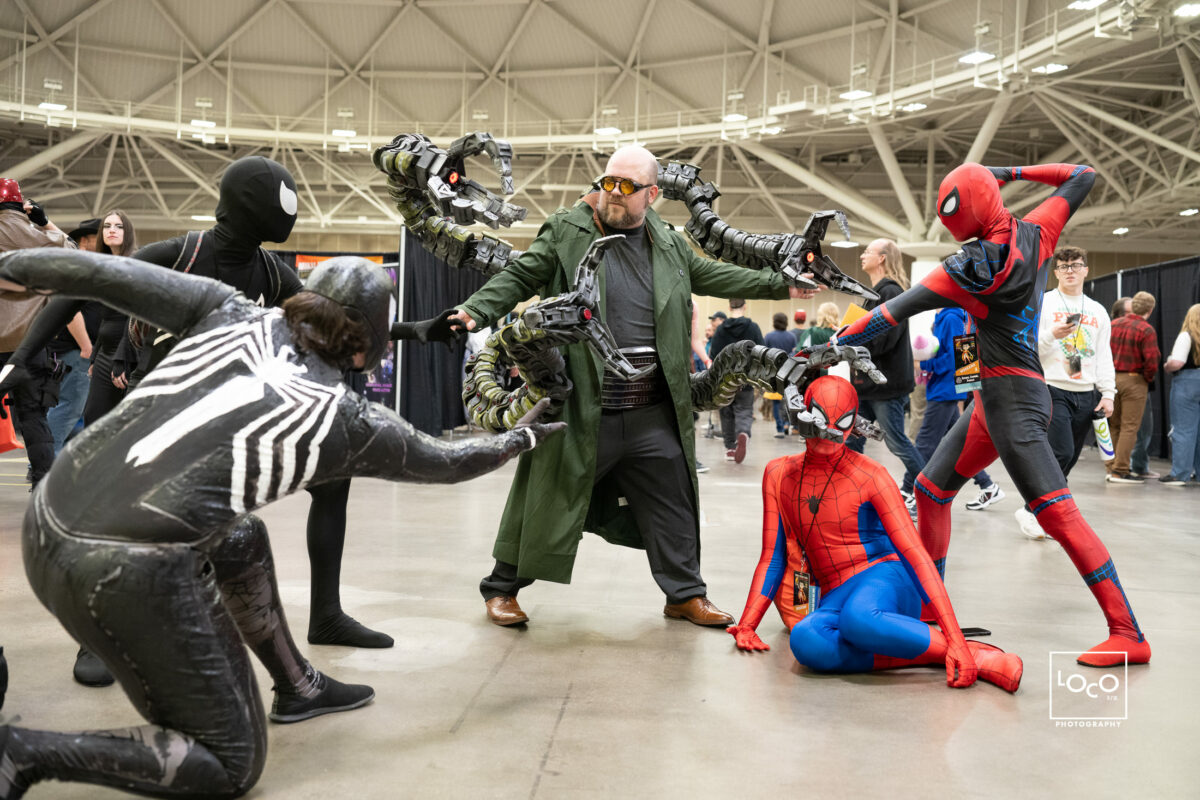
Traditional convention activities—like celebrity-guest Q&A sessions, tabletop game tournaments, video game tournaments, discussion panels, costume contests, and an exhibitor and artist marketplace—will be present as usual.
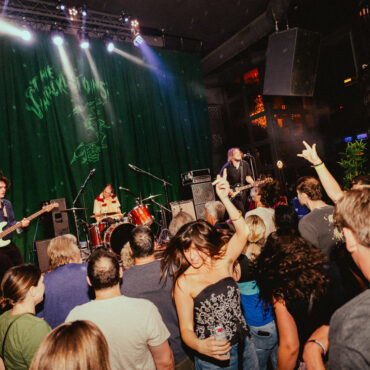
To mark the five years, new activities are scheduled, too. Two concerts are planned for the stage, including the Japanese rock band Burnout Syndromes on Friday (“For the anime fans coming to the Twin Cities Con, it’s a big deal,” he says) and Epic Rap Battles of History on Saturday. Also new are wrestling matches in a ring, hosted by F1RST Wrestling and planned for Friday and Saturday night.
Alongside vendors and artists, celebrities like Brendan Fraser, Rosario Dawson, and Giancarlo Esposito are expected.
“A lot more than we normally have,” Penrod says of the additions, speaking to TCB from the New York Comic Con. He says there is plenty of nerd culture within the Twin Cities to go around and that he is optimistic for the convention to keep growing in scale and reach.
Its reach may not quite match, say, the Minnesota Renaissance Festival, but Penrod believes the con can make it onto “Minnesota’s subconscious social calendar of events that can’t be missed”—right there with the State Fair. And to do that, he says, the challenge is to reach new audiences.
‘It’s like juggling’
Penrod has been a fan of comic books, superheroes, and cartoons for as long as he can recall. He started his journey in the geek culture market as a teenager, buying and selling comic books. His path led him to create his own conventions, starting with Awesome Con in Washington, D.C., in 2013, which now attracts about 70,000 visitors annually.
While Penrod sold Awesome Con, he has since started many conventions across the United States, including in locations like Des Moine, Iowa; Fairbanks, Arkansas; and Long Beach, California. But the heart of his business is the Twin Cities; not only is Nerd Street based in Minneapolis, but Penrod himself lives in Bloomington.
Penrod had considered Minneapolis as a venue as far back as 2017. “We were looking at different cities that didn’t have this kind of con already,” he says. “The Twin Cities area was the main area I could see that would be perfect for this type of event.” It was in the aftermath of the pandemic that he brought the convention to reality.
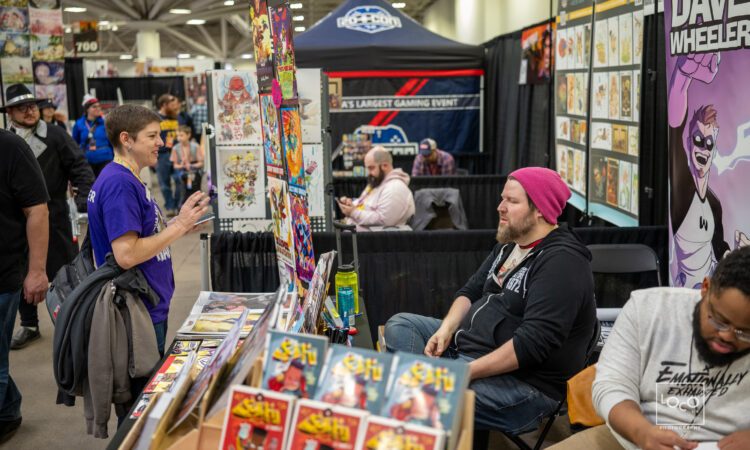
What makes the Twin Cities a good market for a Comic Con–style event? Culturally, Penrod says he thinks of the metro area as arts-oriented. “We luckily fit into that scene a little bit.” Close to 250 local and out-of-state artists will be at the convention selling their own work. He also emphasizes that the con offers an inclusive, broad view of geek culture, rather than targeting a niche subgroup.
The convention extends its economic impact to city businesses, bumping revenue at restaurants where attendees dine out and at hotels near the convention center. Penrod says the organizers are planning to conduct a study after this year’s convention to get concrete data on the economic impact of the event.
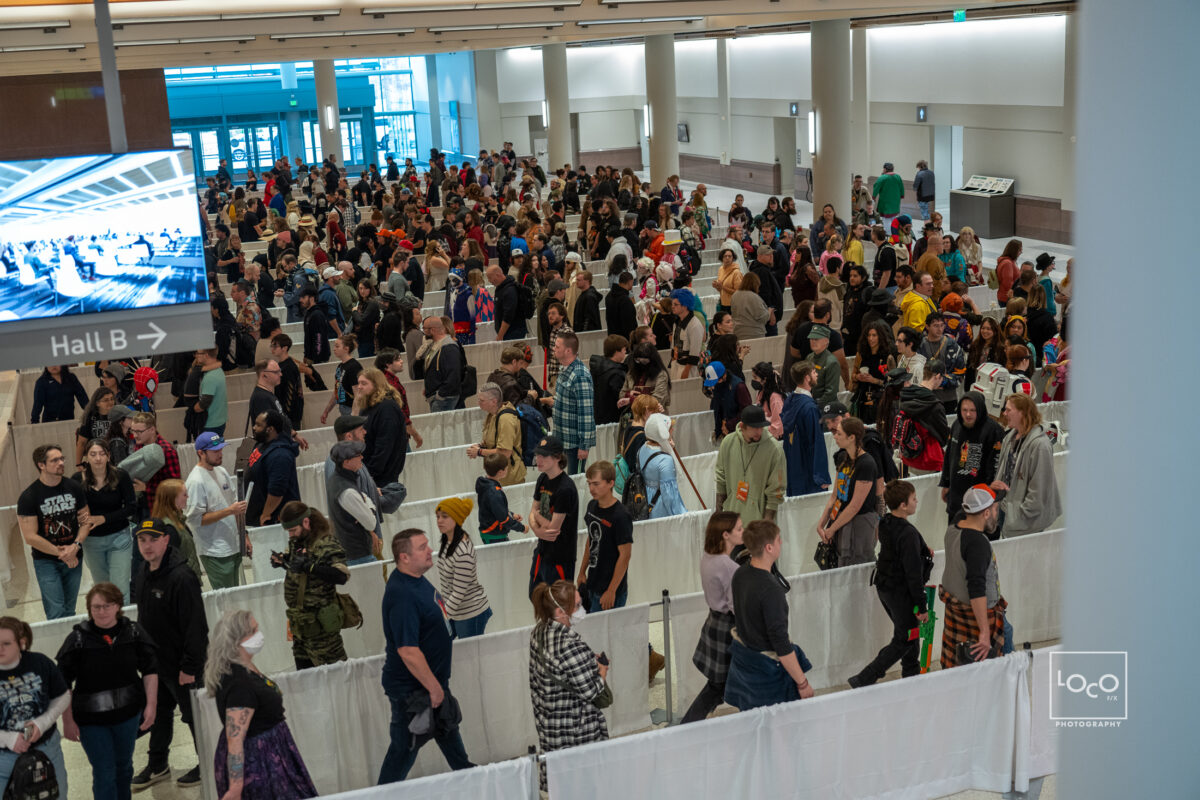
Last year, Twin Cities Con had the fourth highest attendance of events at the Minneapolis Convention Center, with 35,112 attendees, as reported by Meet Minneapolis, the city’s convention and visitors bureau. It was bested by the USA Gymnastics Championships, the January Thaw/Northern Lights Volleyball Qualifier, and the Minneapolis Home & Garden Show.
Hotel occupancy during last year’s Twin Cities Con was 60.1% on Friday, Nov. 8—the same day as a Timberwolves home game, a Meet Minneapolis spokesperson reports. Occupancy rose to 68.4% on Saturday, a day that also featured an Ana Gabriel concert at Target Center. (For context, that month’s hotel occupancy was 45.6%.)
The business of organizing comic book conventions, while rewarding, is also stressful, Penrod notes.
“As it’s growing, it’s becoming a more complicated event,” he says. “There’s a lot of moving pieces. It’s like juggling—you can’t drop anything, or your life is ruined.”
The main source of revenue for an event like Twin Cities Con is ticket sales from the attendees and exhibitors. (The most expensive daily ticket, for Saturday, is $69.95. A weekend pass is $94.95.) Merchandise and sponsorships rake in some returns, but that is a smaller portion of the organizers’ earnings, per Penrod. He says it is up to the con’s organizers to rent the venue and pay for advertising, set-up, and travel costs of celebrity guests.
Although Twin Cities Con has become a stable business, Penrod says there is room for growth and that many Twin Cities locals who would be interested in the event don’t know about it. To address awareness, the organizers plan to conduct a larger-than-normal advertising campaign leading up to the event this year.
“My challenge is getting those people who are on the cusp of maybe attending—if the right guest is here, or if the right thing is happening—and making sure they come back every year,” Penrod says, noting the convention is meant to appeal to both casual and hardcore fans.
With so much of the discourse about pop culture taking place online now, Penrod says the con is designed as an opportunity for fans to engage with other fans in real life. “I think of Twin Cities Con as a great event to attend with your friends,” he says. “It’s also a great event to make new friends.”
“We’re on pace for 40,000 [attendees], but we’ll see what happens,” he adds. The event typically sells half of tickets in the last two weeks prior to scheduled dates. “There’s still a lot of tickets left to sell.”