St. David’s Center to Buy YWCA’s Downtown Building
The YWCA Minneapolis has found a buyer for its longtime home downtown.
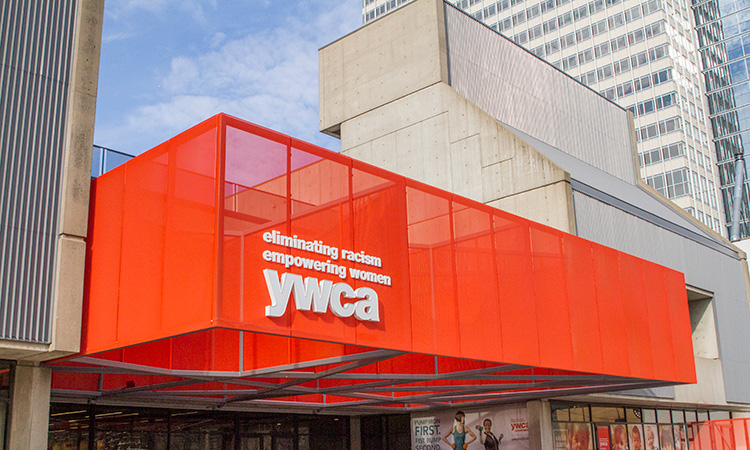
On Monday, children’s mental health provider St. David’s Center for Child and Family Development announced that it has signed a purchase agreement to buy the YWCA’s building at 1130 Nicollet Mall in Minneapolis. The two nonprofit organizations declined to share the price of the purchase, but St. David’s CEO Julie Sjordal said that she aims to formally close on the building by early summer.
In an interview on Monday morning, Sjordal said the two parties signed the purchase agreement on Feb. 9. St. David’s first made an offer on Nov. 30, not long after the YWCA announced plans to end fitness offerings at its downtown location.
Sjordal said the new location will enable her organization to serve hundreds of more kids each year. St. David’s, which operates a 65,000-square-foot clinic in Minnetonka and at a smaller space inside the Westminster Presbyterian Church across the street from the YWCA, already has around 1,800 children on a waitlist. They can wait upwards of a year to finally get in, Sjordal said.
“We know kids are struggling all over town,” she said.
Before the YWCA building went up for sale, St. David’s leadership had even considered renting space there because the organization is “so severely out of space” at its two existing clinics, Sjordal noted.
These days, St. David’s provides services for nearly 5,000 families a year. Once the new building is fully open and operational, the organization expects to help over 6,500, Sjordal said.
As part of the deal, St. David’s plans to lease a small portion of the 124,000-square-foot building back to YWCA for its own early childhood education programs.
Sjordal said around 150 of St. David’s 500 employees will work at the new downtown Minneapolis location. The building has a small parking lot, which Sjordal said will be used as a space for parents to drop off their kids.
St. David’s has operated its clinic from the Westminster Presbyterian Church for about six years now. Sjordal said she’s confident that the move will be a positive one for kids and families. About 40% of families that receive early intervention services are residents of Minneapolis, she noted.
“We have proven track record that families will come downtown when there are needed services,” she said. “We’re driven to address the needs on our waitlist.”
Some St. David’s staffers are slated to move to the new space later this year. The nonprofit plans to do some renovation work on the four-story building, too, and Sjordal expects a full move-in by about 2026. The nonprofit plans to apply for the federal New Markets Tax Credit Program to help pay for renovations. That program is aimed at encouraging investment in lower-income communities by providing tax credits for private investors.
Sjordal said St. David’s will “certainly be in a capital campaign” over the next year to help fund the purchase and subsequent updates.
Sjordal said she’s eager to take part in the revitalization of downtown Minneapolis. “There’s just something very attractive about being in the urban core,” she said.
Downtown boosters are sure to welcome news of 150 more workers reporting to the area, though the move won’t bring in any additional property tax dollars. Like the YWCA Minneapolis, St. David’s is also a nonprofit and exempt from property taxes.
The YWCA had received three offers on the downtown building. Shelley Carthen Watson, president and CEO of YWCA Minneapolis, said that her organization’s legacy “will live on through St. David’s Center’s mission and their focus on children, families, and community.”
“From the start, we aimed to keep our Downtown Early Childhood Center in the same location,” she said in a statement. “With St. David’s Center, the benefits extend beyond that as our shared future creates opportunities for YWCA ECE families to access critical mental health and family services so expertly provided by their team.”
The YWCA first moved to the site back in 1929; nearly 50 years later, the original building was torn down and rebuilt in its current “Brutalist” architectural style.