Seafood Tariffs Rock Lobster
Cars, steel, paper, toys … the tariff landscape has been well documented ever since Donald Trump took office. But did you know your California Roll might be imported? Even the friggin’ avocado?
“Eighty percent of seafood consumed in the U.S. is imported,” explains Chris Nelson, owner of Brookies Fish Market in St. Louis Park. “[The U.S.] have a lot of coastline, but fishing is strictly regulated to create sustainable fisheries.”
And there’s more demand for seafood than those sustainable fisheries can satiate. For example, most of the walleye consumed in Minnesota comes from outside the state, which only allows Native tribes to fish commercially.
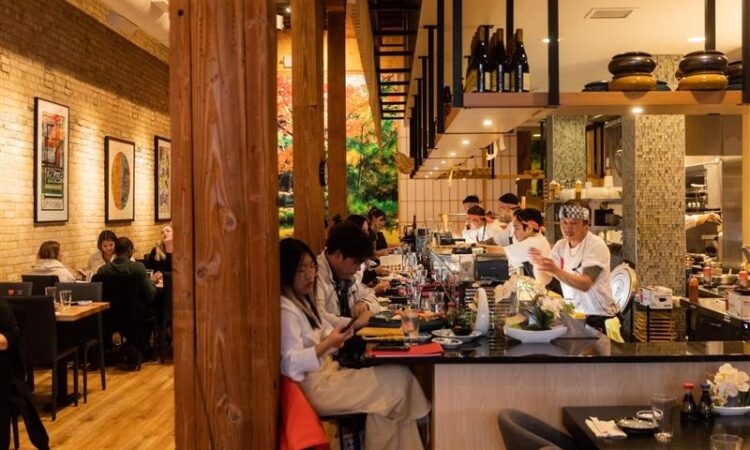
“Right after Trump took office, I got a phone call from my tuna ranch in Baja,” recalls restaurateur “Billy” Tserenbat, owner of Billy Sushi in the North Loop, which serves nearly 2000 pounds of fish a week. Almost all of Billy Sushi’s seafood is imported, as well as staples like avocado and wasabi.
In the first Trump administration, Tserenbat says he only saw tariffs on imports from China. Today he is incurring tariffs from seafood imported from Mexico (tuna, 25%), South Korea (crab, 35%), Japan (10%), and Norway (10%). “I’d like to buy domestic, but the quality is not there.” Tserenbat says his Baja purveyor agreed to eat half the tariff and his restaurant has absorbed the rest. Billy Sushi has kept prices stable to date, Tserenbat says.
Nelson says he has seen tariffs on all fish from countries with a tariff in place: Canadian walleye, crab from Korea, Japanese tuna, Scottish salmon, char from Iceland, and even paper products like labels. He’s incurred price increases from 5% to 15% from wholesalers, who are not absorbing any of it, since margins are tight in seafood. Nelson says it’s not been a decisive driver of sales at Brookie’s because he’s a niche purveyor with a high-end emphasis and passing along price increases has not been a problem to date.