Building the Business Case for Health Equity
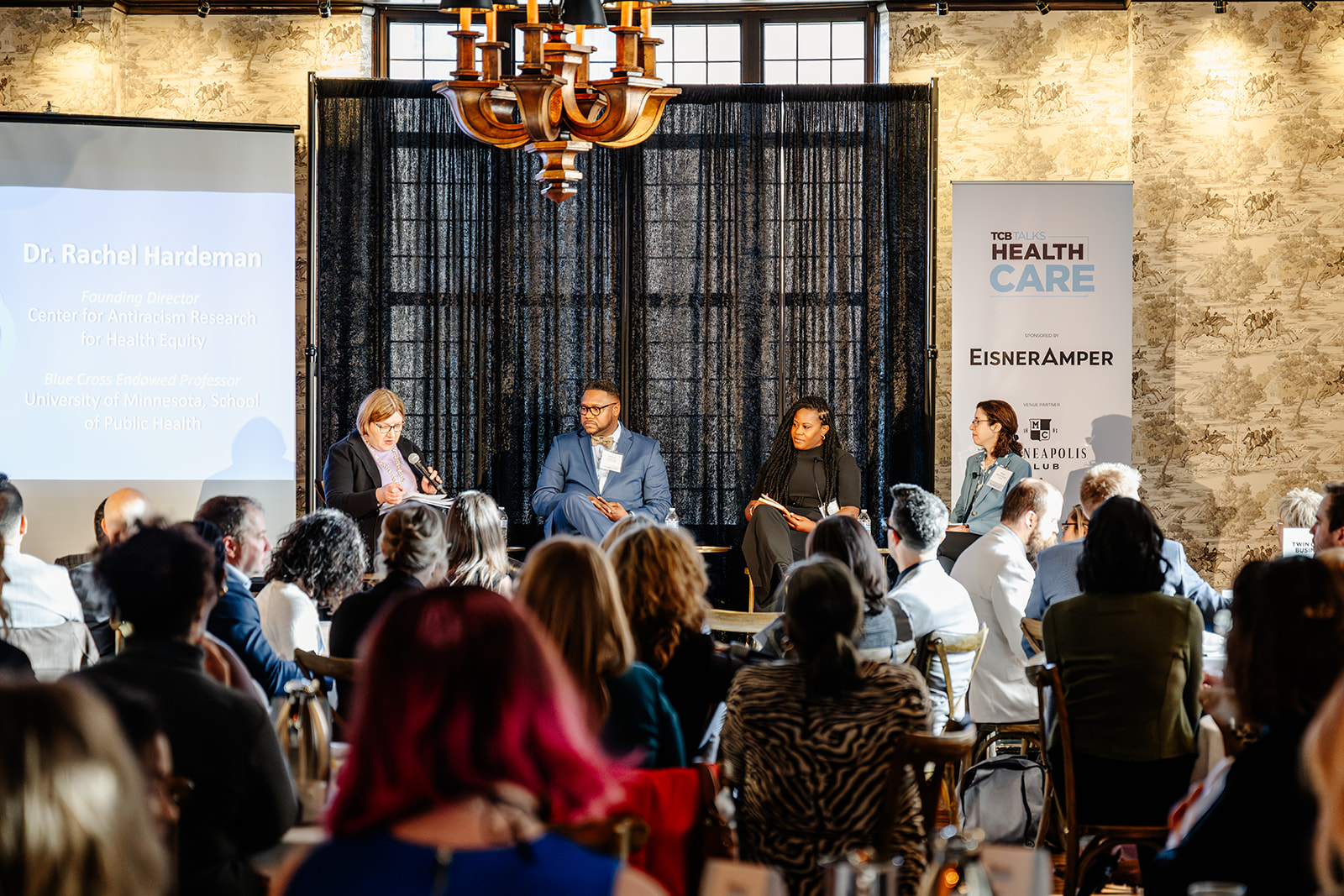
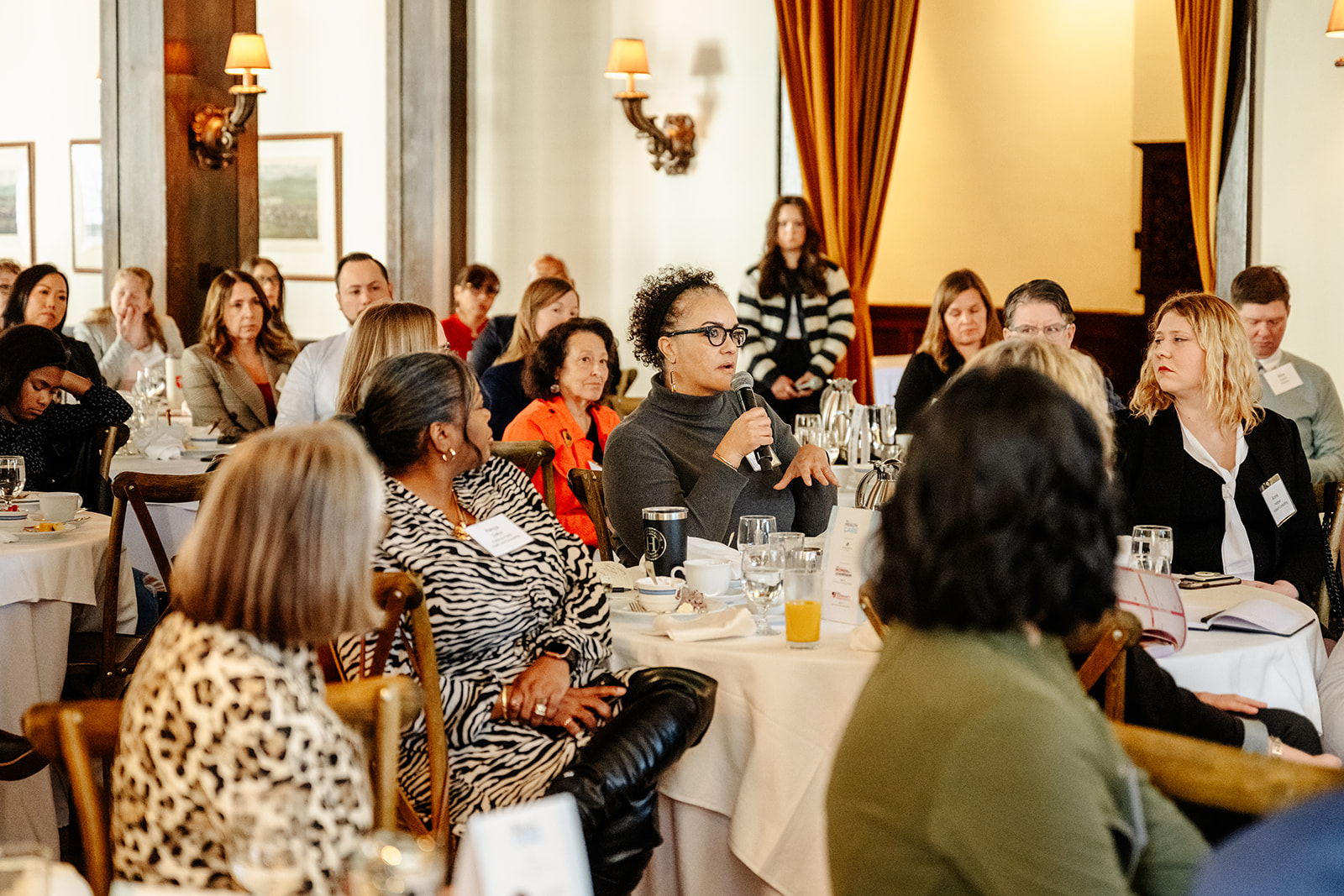
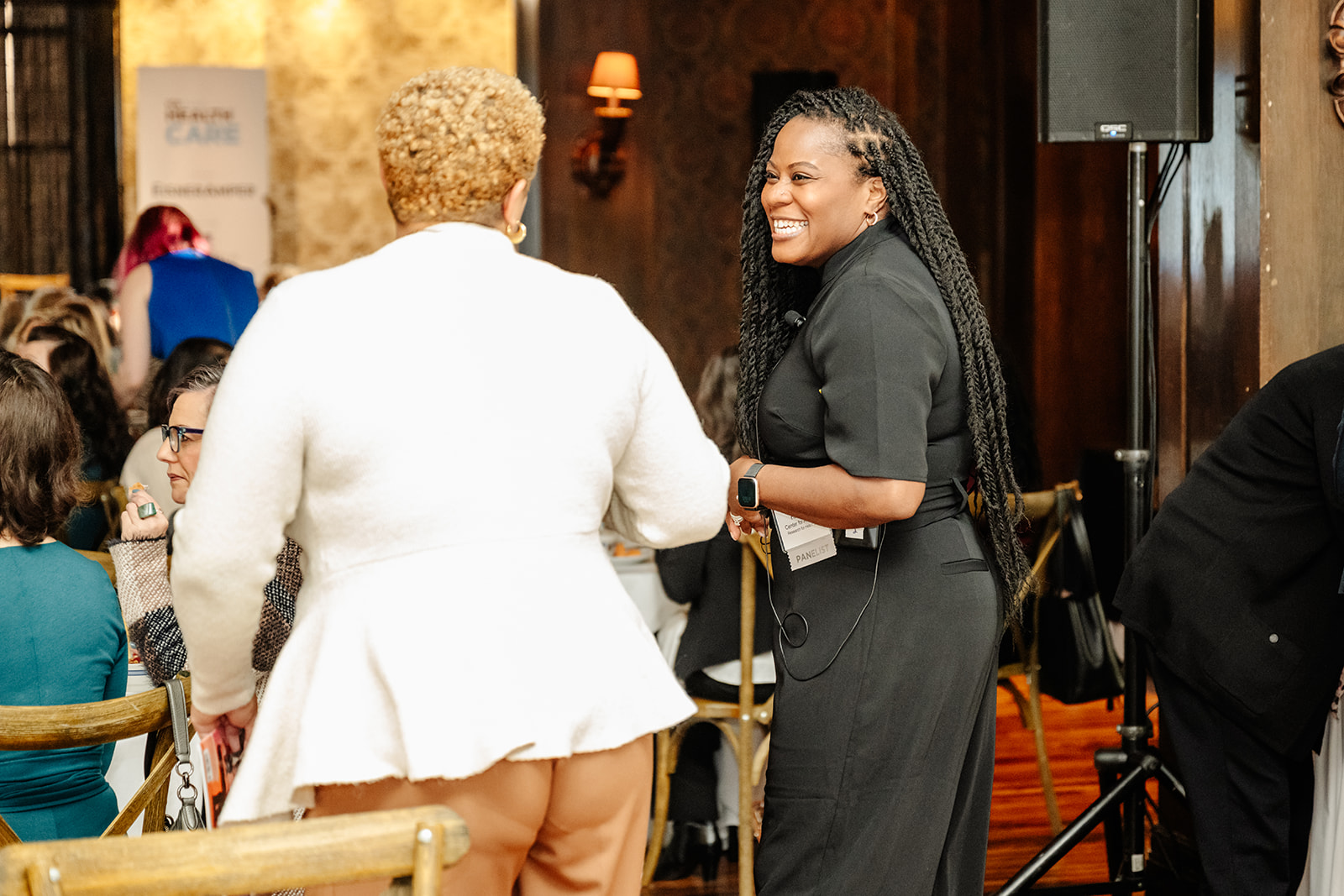
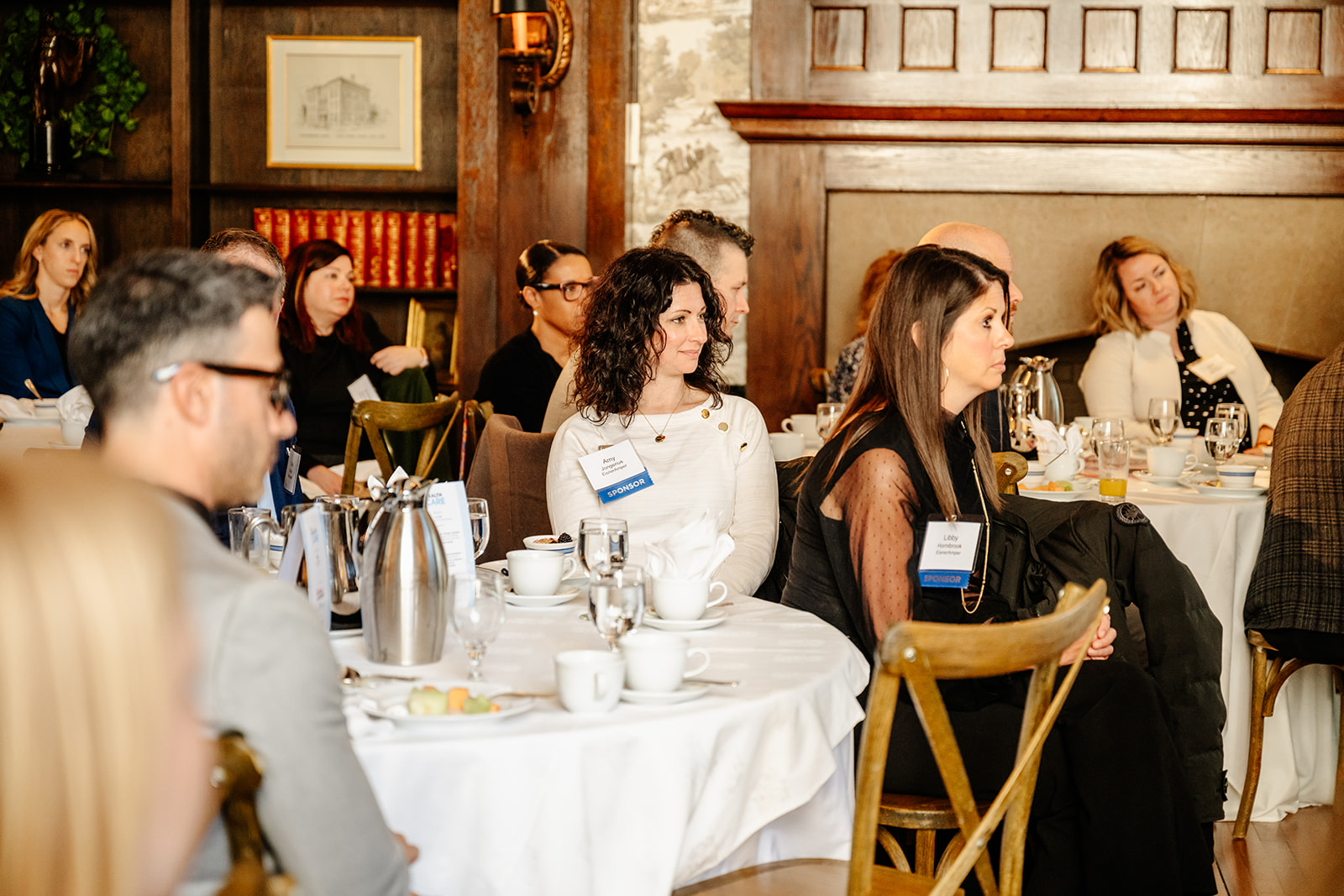
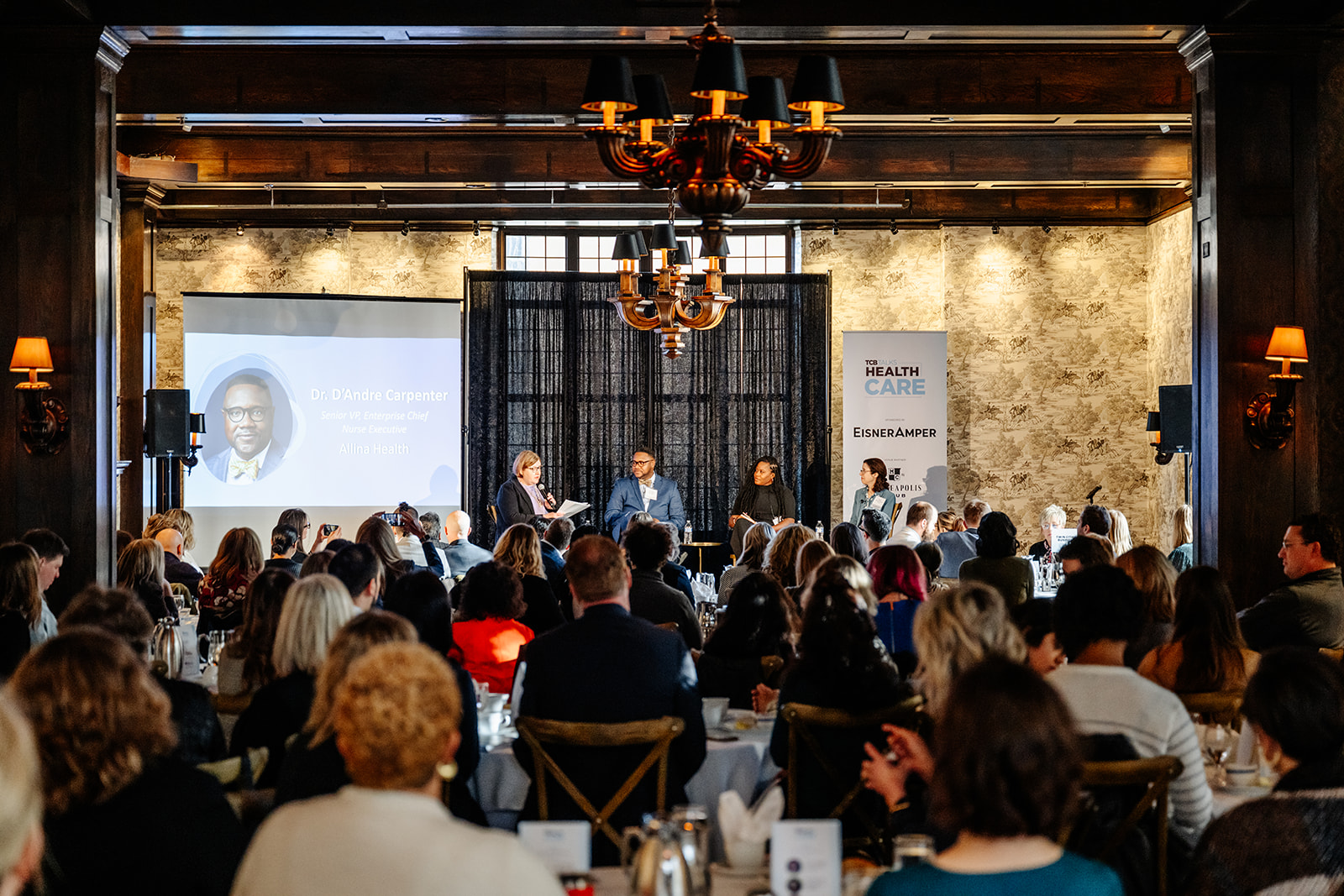
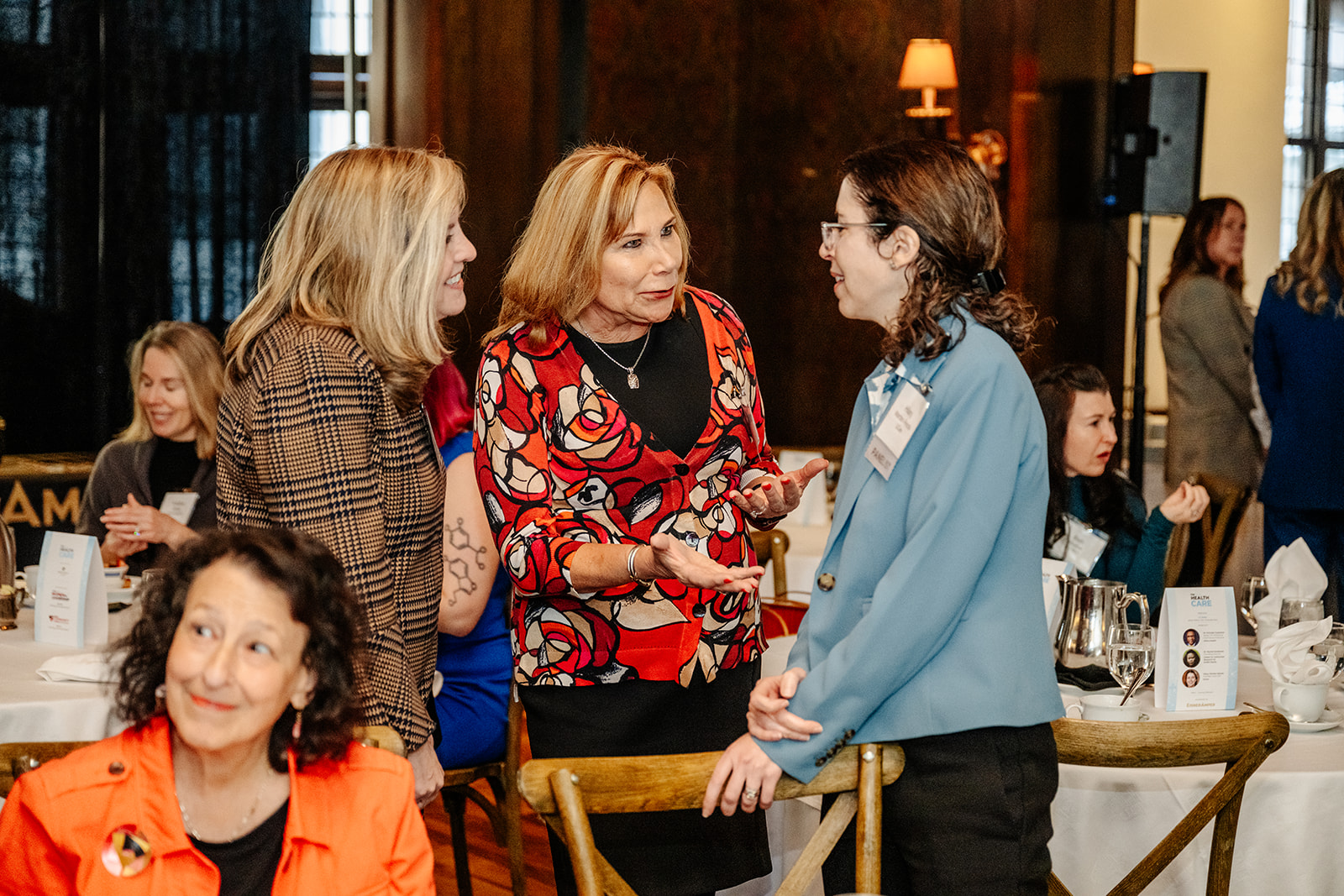
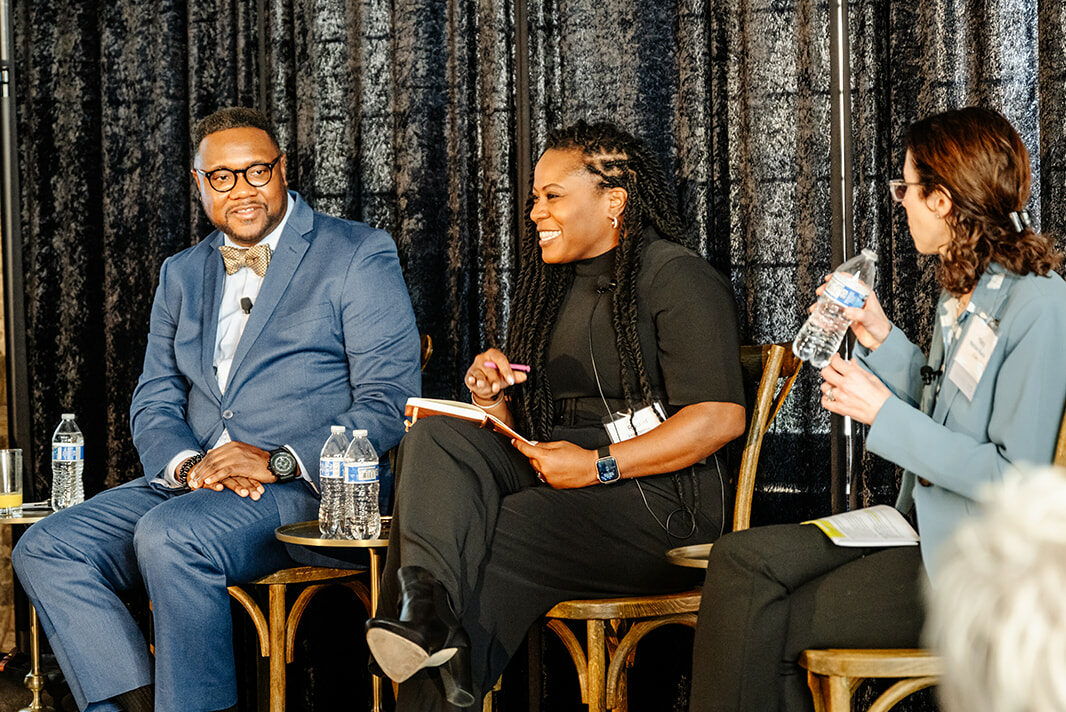
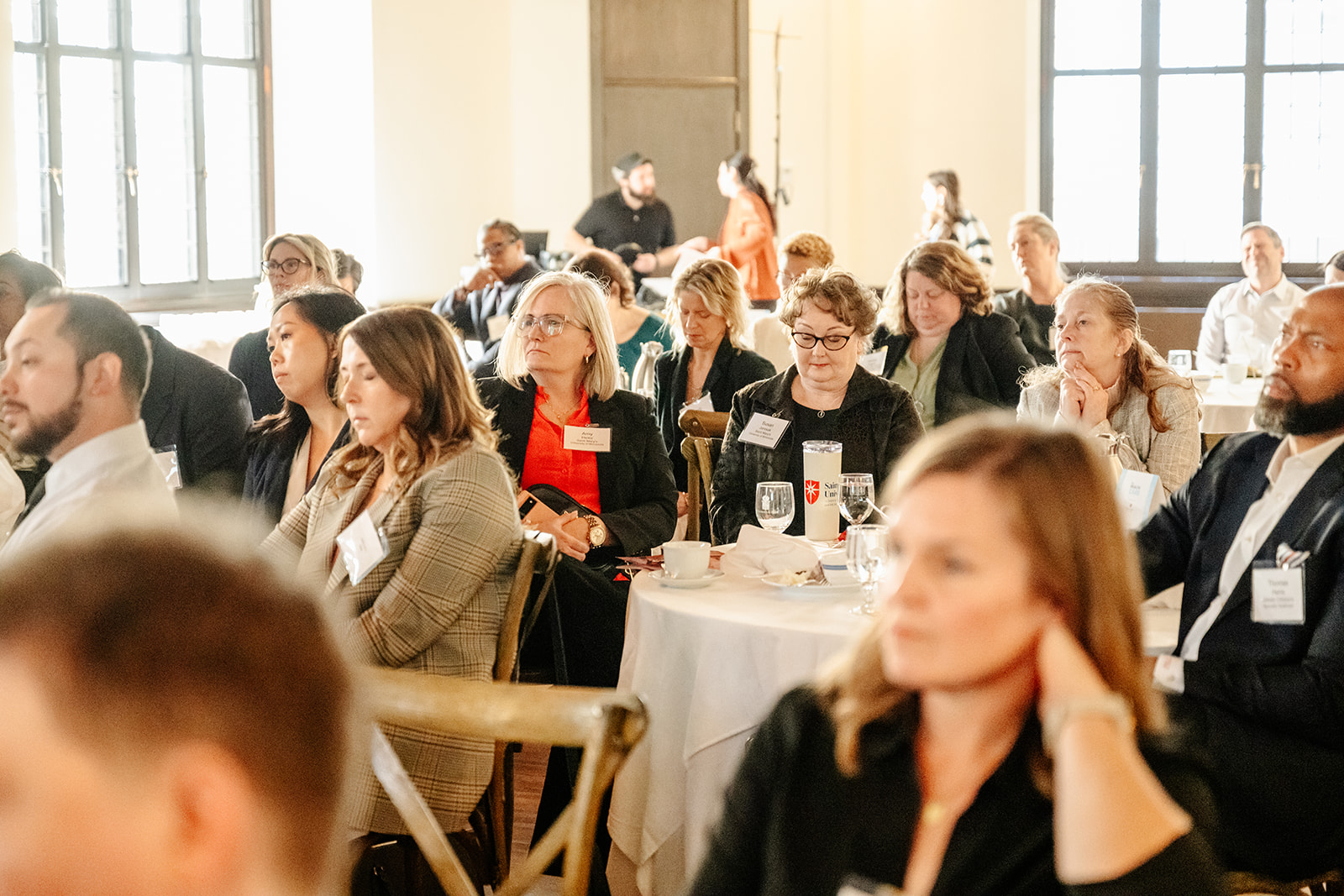
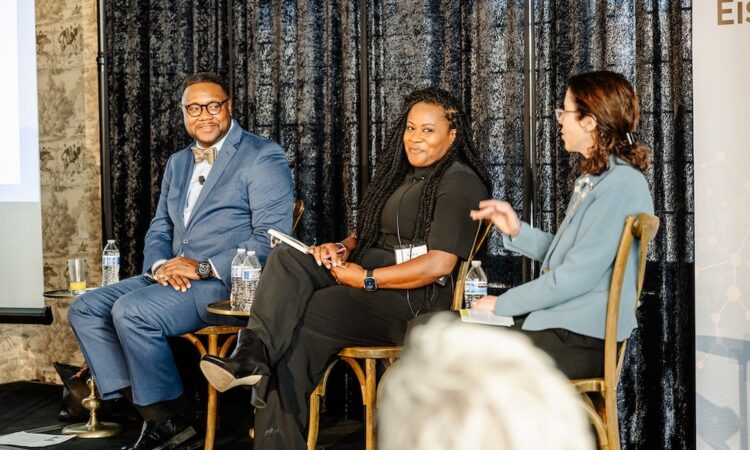
Does improving health equity also improve profitability? A trio of health industry experts chewed over that question and many more at a TCB Talks event at the Minneapolis Club on Thursday morning. TCB senior editor Liz Fedor moderated the panel.
Rachel Hardeman, Blue Cross Endowed Professor of Health and Racial Equity at the University of Minnesota School of Public Health, started off the discussion by making a distinction between health equity and equality. Health equity, Hardeman told attendees, is the “state in which everyone has a fair opportunity to be healthy.”
“That’s different from equality, where we are making sure everyone has equal amounts of the same thing,” said Hardeman, who also serves as founding director of the Center for Antiracism Research for Health Equity. “With equity, we’re digging into the fact that not everyone is starting at the same place. Not everyone has the same resources to achieve optimal health.”
Ensuring equitable access to health care involves asking some tough questions, and taking into account the lived experiences of marginalized communities, Hardeman said. It also means looking at the wider historical context of racism in medicine. D’Andre Carpenter, Allina senior VP and enterprise chief nurse executive, reflected on his time at academic health system Jefferson Health in Philadelphia, whose halls still bore the iconography of J. Marion Sims. Though Sims is often referred to as the “father of gynecology,” he experimented on enslaved people without anesthesia.
“It wasn’t until we started to publicly address the iconography of this individual who did not stand with us as a system that we were able to improve our partnerships with community,” Carpenter said. “We can invest significantly in our systems, people, and technology to help advance diversity, equity, inclusion, and belonging, but if we don’t acknowledge the community history that has more often led to institutional trust issues, we’re not doing the service we need to be doing.”
It’s worth noting, too, that health equity efforts aren’t merely theoretical exercises; inequities in health care can literally be a matter of life and death. In the U.S., Black people are about four times likelier to die while giving birth than their white counterparts, Hardeman said.
“It’s racism – not race – that is impacting our ability to achieve health equity,” she said. “It’s not the physical appearance of someone’s skin color that is making them more sick. It’s that we live in a system, a society, and within structures that have marginalized and allocated resources based on how people look, and not necessarily on the notion of equity.”
Fellow panelist Hilary Marden-Resnik, president and CEO of UCare, echoed Hardeman’s comments and noted that “it’s about racism at the very core, more than just about race.” As Marden-Resnik sees it, improving health equity for employees and patients of color ultimately will improve health equity for everyone.
“We’re lifting the boat for everyone,” she said. “It’s not a zero-sum conversation. Everybody does better when everybody does better.”
Better health outcomes for everyone would also relieve financial pressures on both providers and insurers, panelists said. “We have to change the lens on health equity,” Hardeman said. “We can make health equity profitable. It’s actually way better for us financially – in this capitalist society we exist in – to have healthier people than sick people. And I think we’ve operated in a model where that’s actually not been the cornerstone.”
So, what are some ways to begin tackling inequity in the health care space? To start, it will likely involve some uncomfortable conversations. The topic of power in society, for one, is an important point of discussion.
“There’s no way that we will advance any significant progress in [health equity] unless we do it in a highly disruptive manner,” Carpenter said. “Disrupting a power base is often met with a lot of trepidation and fear and concern….We have to be disruptive. It’s going to make people uncomfortable, and that’s okay. We’ll have a conversation. But if we don’t go there, we’re not going to progress in the way that we want to.”
For Marden-Resnik, a diverse workforce is a central part of driving better health outcomes. The nonprofit health plan serves over 600,000 members, and nearly 40% of its workers identify as people of color.
“We know we can’t advance equity on behalf of the members we serve – or the community that we support – unless we have a workforce that reflects the community, and that has shared understanding of cultural barriers, the lived experiences, all of the complexities that surround the health care experience,” Marden-Resnik said. “I want to make sure that I surround myself with people who will help me see what I don’t see, and surround myself with people who are willing to tell me things that they might think are hard for me to hear.”