At the Movies: What the Heights Does Right
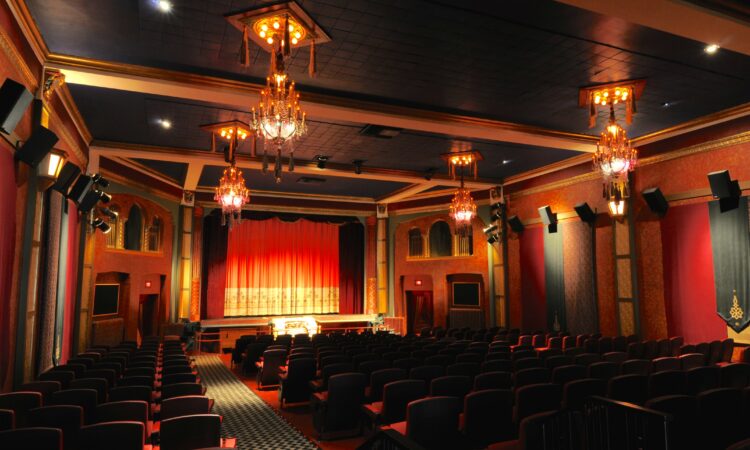
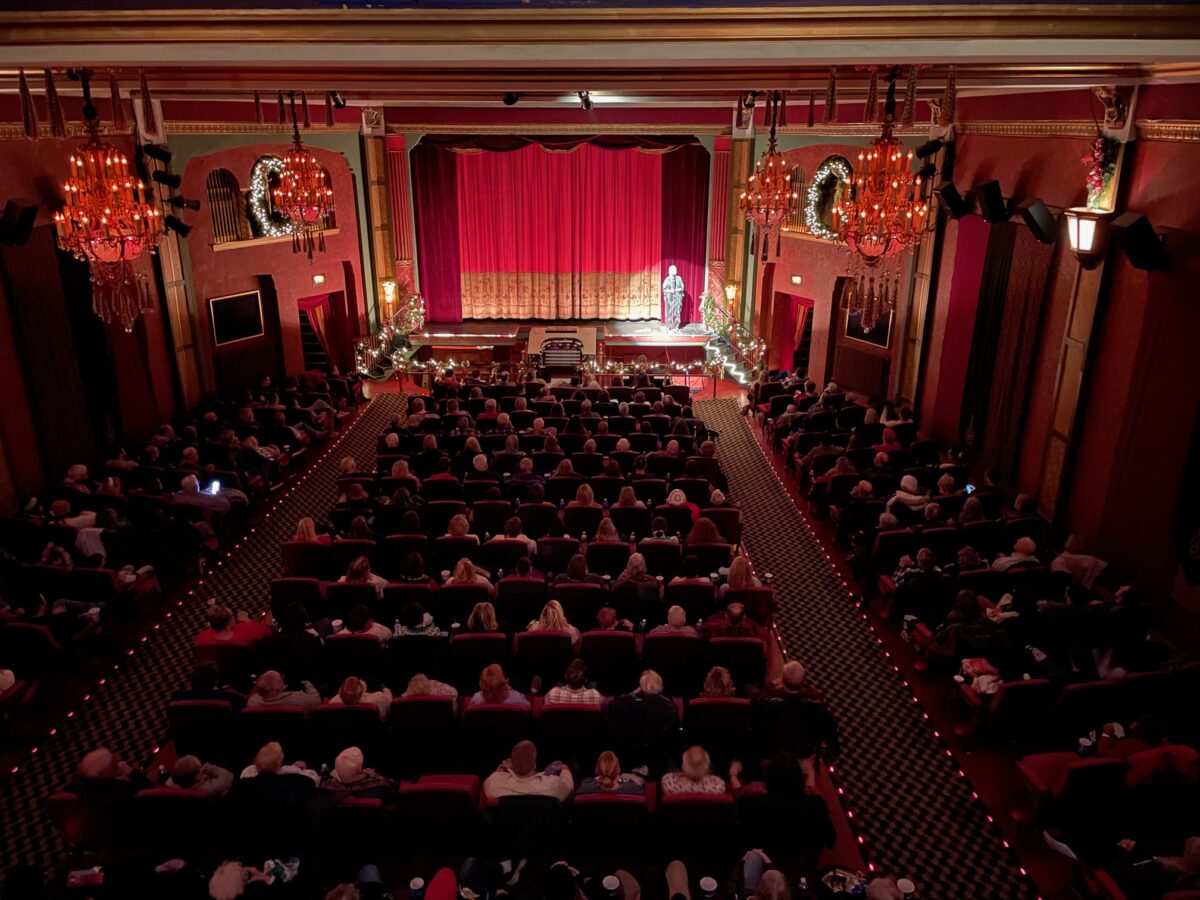
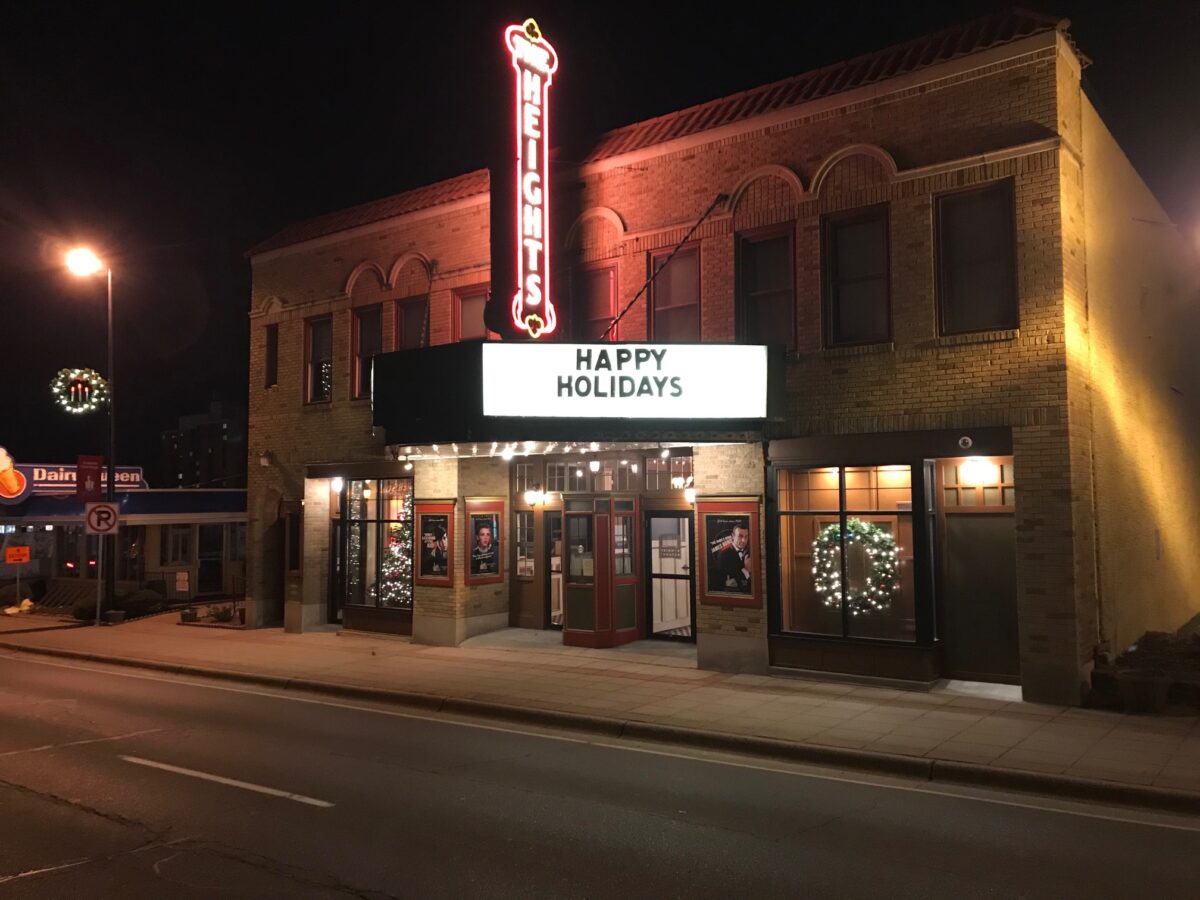
In early December, the Chicago-based Music Box Theatre announced its acquisition of the Heights Theater. It’s the Music Box ownership’s first time venturing out of its home city. It’s also its second ever location. And it’s the acquisition of a beloved local icon—a Columbia Heights arthouse movie theater known for live organ music, screenings of cultishly loved films, and a quaintly old-fashioned interior.
The deal was born because the Heights’ longtime owner wanted an “exit plan.” Not because of bad health or bad business. Tom Letness just knew he couldn’t run the ship forever. The 64-year-old bought the theater in 1998 after moving from South Dakota. It was close to the end of its run, he recalls—poorly managed, with no thought process behind it. “The only thing that didn’t make it a porno theater is they were not showing porn.”
He brought it up to shape, and now, more than a quarter-century later, “I’d rather leave on my terms than have someone come in and tell me I have to leave,” he says.
A mutual friend connected Letness with Ryan Oestreich, general manager of Music Box Theatre and a native Minnesotan who, in fact, was part of Minneapolis’ film exhibition scene for many years. Oestreich, acting as a matchmaker of sorts, says he brought Music Box co-owner and CEO Brody Sheldon to the Twin Cities to negotiate a deal.
Retiring meant selling the building, and if there was a way he could ensure the business would continue under new owners, Letness was open to discussions. “He could have sold it to a church or a Live Nation, or a developer who just tears it down and builds something new,” Oestreich notes.
The vision was clear on both sides, according to Oestreich, and everything came together nicely: “Music Box Theater knows how to run a venue like this,” he says. “The Heights is doing what we’re doing already, but [it] has the ability to grow into more if they had more resources.”
The Music Box owners “know the drill,” concurs Letness. After 27 years of ownership, leaving the Heights behind is a bittersweet feeling for him, but he says this departure is as ideal as he could have hoped for.
In addition to the current staff staying, a senior employee from Music Box will relocate to Minneapolis to oversee operations at the Heights. In Oestreich’s words, “We have somebody who knows what makes Music Box special, and we have Tom [Letness] training that person before he hands it off.”
The two venues were launched only three years apart. The Heights opened in 1926, making next year its 100th anniversary. The Music Box opened in 1929. Both venues, independently owned and operated throughout their histories, have come a long way since the era of silent film.
Music Box Theatre is set to take over starting Jan. 2. Letness did not disclose the acquisition cost, but he says both parties are content with the deal.
“For us, we now have to prove it—that we can run a theater outside of Chicago,” says Oestreich.
Macro Trends vs. Micro Community
The acquisition is altogether an ambitious project, especially in the face of a seemingly declining consumer base.
The discourse around movie theaters has been mired in gloom as of late. Data suggests the number of frequent moviegoers has been on a sharp decline, with more people preferring to watch movies from their homes.
A survey conducted this year by the NORC research organization at the University of Chicago found that three out of four Americans opted to stream a new release over the course of a year instead of going to a theater to see the same movie, and only 16% go to a movie theater at least monthly.
Ted Sarandos, co-CEO of Netflix—currently in a bidding war to acquire Warner Brothers—certainly does not believe that moviegoing is returning to its pre-pandemic state. He has pushed back against longer theatrical windows (a “window” being the duration a movie stays in theaters).
But Oestreich is tired of this pessimistic outlook. While there is a “retraction,” he says, in broader public interest, “cinema is never going to die, because people always want to come together for stories.
“Stage theater didn’t die when the cinema came around,” he continues. “Cinema didn’t die when the TV came around.”
From a macro perspective, he says, box office figures will likely never recover to pre-pandemic levels and will be 10-15% less. But from a micro perspective, “for folks who love the movies and love great cinema, that care about the projection and presentation, there are a bunch of us Music Box types that are thriving right now all over the country.”
He describes a resurgence of arthouse theaters that, like Music Box and the Heights, invest in the initial releases of independent films as well as what is called repertory cinema, which means reruns of older and classic films.
These theaters appeal to niche audiences with their programming, whereas bigger chains are struggling because they depend on largescale, mainstream Hollywood productions, Oestreich says. He compares the arthouse movement to the growth of vinyl, which has drawn in more-intense fans who essentially shield the business from the economics of the modern music industry.
“I am not worried about the macro trends because you can buck those trends if you do right in your micro community,” Oestreich says.
Between 2025 and 2026, Music Box is expected to attract 300,000 admissions, he says, a significant number for just two screens. (There are plans for a third screen to be added to the Chicago location in the summer of 2026.)
Letness echoes these sentiments: “Movie theaters are not going anywhere. Are they changing? Yes. Is the experience changing? Yes. But it’s always done that, since the beginning.”
Younger audiences still come to the Heights frequently, he says, whereas he notes a reduction in participation from older audiences.
Letness has also noticed smaller audiences for new releases shown at the Heights, although he partly blames this on poor marketing. Ostreich says the plan is to bring in more new releases.
Meanwhile, reruns of classics at the Heights are as popular as ever. In fact, Letness says the Heights’ business returned to pre-2020 levels shortly after the end of the Covid-19 pandemic.
More broadly, shorter theatrical windows have impacted the movie-theater business model. Letness describes part of how this works: With shorter windows, movies make it to streaming more quickly, and many would-be audience members are willing to wait to watch the movies at home. The key, Oestreich says, is for theaters to realize there is a new financial ceiling, to accept that the economics of movies have changed fundamentally, and to adapt.
For example, he refers to cases of big, 30-screen cinema houses that are reducing the number of screening halls, instead choosing to diversify by turning space over to other social outlets, such as arcades.
Support from the Twin Cities has been no less of a factor in the Heights’ success in the face of Hollywood panic. Letness points out that, regardless of moviegoing interest, locals are interested in the Heights as a historical building, and the venue will continue to offer a unique experience in that regard.
Oestreich says the moviegoing community has actually grown in Twin Cities since he left at the end of 2011. “It’s clear to me that Minneapolis still has a great film scene, and it’s growing,” he says. “If anything, they’re hungry for more. Our job will be to figure out how to complement that with the Heights.”
As for the future, “I would love to expand, but it’s been told to me very clearly—prove it,” says Oestreich. “I think the Heights will work. The question is how well it works, and then we’ll decide.”