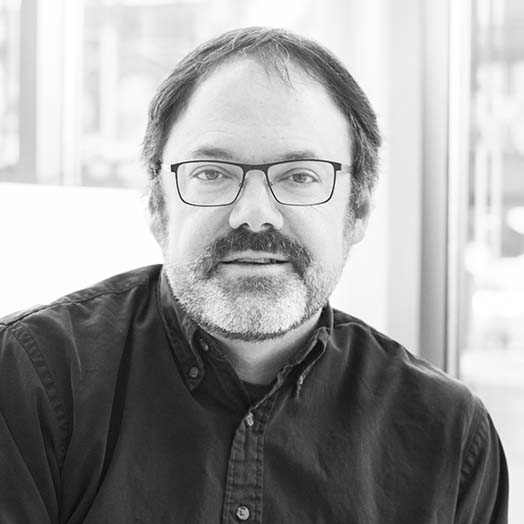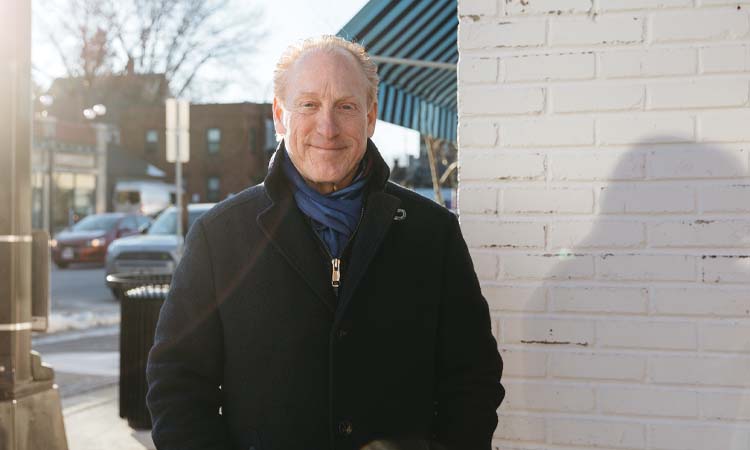
Stu Ackerberg Stands His Ground
The news dribbling out this winter has been unnerving. Huntington Bank was foreclosing on the big blue Lakeside Center at the northern end of Bde Maka Ska (unpaid property taxes). Uptown’s MoZaic office development was listed in a sheriff’s sale. Developer Stu Ackerberg had made personal loan guarantees with the lender.
“We’re one of three U.S. markets who have yet to see office space bounce back,” notes Ackerberg, who remains a peripatetic presence in Uptown, advocating for the corner of town where he lives and works.
“Uptown was unique; now there’s lots of competition and we need to reinvent.”
—Stu Ackerberg, developer
Uptown has rebounded from the bottom in some respects. Weidner Apartment Homes bought a row of troubled apartment buildings on Lake Street and cleaned them up. The raucous nightclubs are mostly gone. The array of small stalwart Hennepin storefronts hangs on. But the new housing at the old Calhoun Square and any large-scale retail redevelopment are unrealized, nearly six years after the riots.
“Uptown was unique; now there’s lots of competition and we need to reinvent,” says Ackerberg. He rejects the idea that landlords have not gotten the message—“Lowering rents won’t solve this.” He notes that Uptown’s many empty restaurants are too large for current demand, and the payback on restructuring them is too difficult. He hopes the city will finally get involved with a TIF district or subsidized loans. But 10th Ward Councilmember Aisha Chugtai is notoriously disinterested.
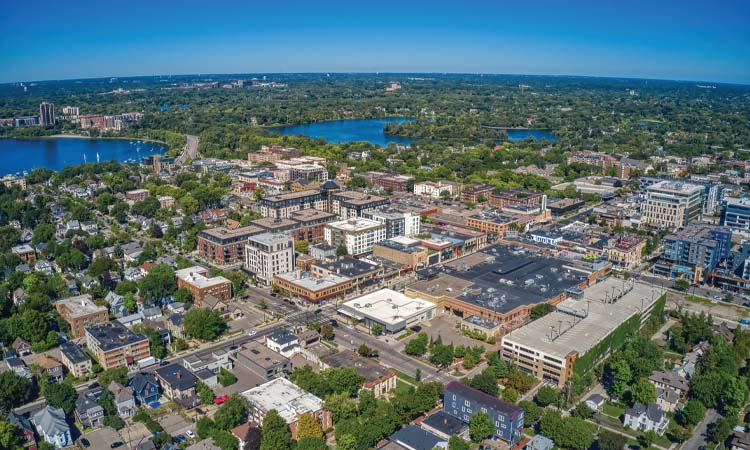
And there are other issues. “The same 20 unhoused people are on Lagoon [Avenue] in the morning, on Hennepin [Avenue] at night. They create chaos, harass people in the McDonald’s drive-thru, do break-ins, defecate on the sidewalk,” says Ackerberg. “You have prospective tenants come through and say, ‘No thanks.’ ” He wonders why the city cannot find housing for them or another solution that doesn’t hold back an entire neighborhood’s revival.
As for the foreclosures, “The right thing was to build offices. I’m proud of what we did. We won every award. Our goal was to stimulate fresh thinking, but we’ve had tremendous headwinds.” As for his personal exposure, he is still sorting through it. “I don’t know how it ends up, but I’ll still be here one way or another.”