Report: Minnesota Faces a 168,000-Worker Gap
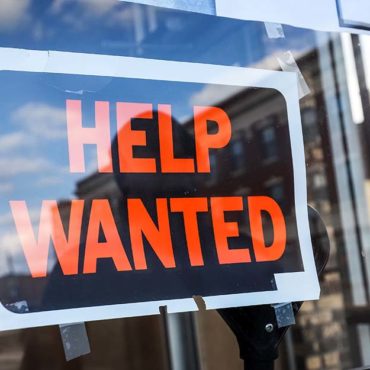
Minnesota’s ongoing worker shortage isn’t going away anytime soon, and is likely to get much worse as Baby Boomers exit the workforce en masse over the next few years.
That’s one of the main takeaways from a recent report commissioned by the Minnesota Business Partnership, a coalition of over 100 CEOs in the state. Idaho-based labor market analytics firm Lightcast authored the report, which was released in partnership with Presbyterian Homes & Services and consulting firm SullivanCotter.
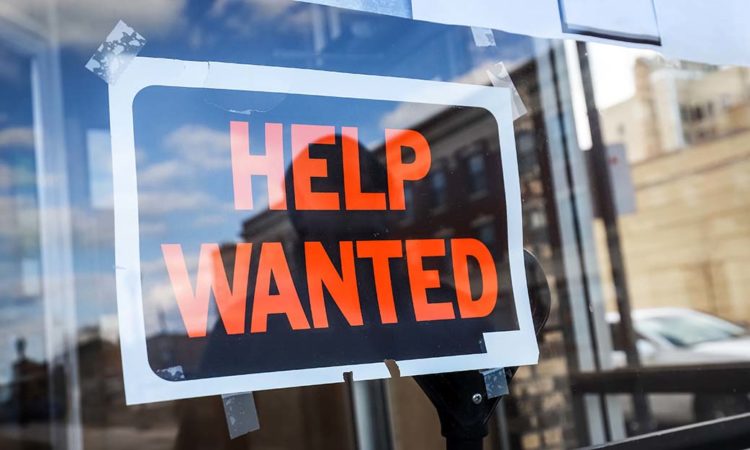
According to the report, Minnesota is already facing a labor gap of about 168,000 workers in total. What’s more, the state’s labor force still hasn’t returned to pre-pandemic levels. “By contrast, the total U.S. labor force returned to its pre-pandemic level in August 2020 and by June 2023 the workforce deficit was only 1.5% of the labor force,” the report’s authors wrote. “National employment has also more than recovered.”
Rachel Sederberg, senior economist and research manager at Lightcast, said the report underscores the need to “think creatively to improve labor force participation.” The looming exit of Boomer-age workers, she noted, is only part of the problem. Falling birthrates and lower immigration are also putting pressure on the state’s labor force.
“It’s not just one problem driving this ‘demographic drought;’ it’s many problems that have wrapped together into what’s become a perfect storm,” Sederberg said. “That storm’s not going anywhere.”
Monthly jobs figures from the Minnesota Department of Employment and Economic Development are a testament to the state’s labor issues. For several months now, Minnesota has reported a lower unemployment rate than the national average. In August, for instance, Minnesota reported an unemployment rate of 3.8% versus 3.1% nationally.
“A low unemployment rate means companies have to work really hard to get the few people out there that are unemployed into their roles,” Sederberg said. “We’ve got really high levels of opening, nationally and in Minnesota, and very few people to fill them.”
At the same time, Baby Boomers will all have turned at least 65 by 2030. That means that the working-age Minnesotan population will then “crater to an historic low,” according to the report.
“More people exiting the workforce than entering during this period will translate into a labor crisis marked by talent shortages, lower employment gains, and potentially lower economic growth,” the report stated.
What about the millennials and Gen Zers? The report said that there are not enough of either generation to “fully replace retiring Boomers.”
The report’s findings are sure to come as no surprise to Minnesota business leaders, who’ve been grappling with worker shortages for years. Sederberg said the intent is to provide data to show just how dire the issue is. And the report does outline a few potential solutions to address the problem. One obvious answer is to increase domestic and international migration into Minnesota – a theme often repeated by the Minnesota Chamber of Commerce and others.
Another solution is to increase workers’ skillsets and embrace new forms of technology to boost productivity with fewer people. Artificial intelligence – the topic du jour in tech circles – could be one way to do that. Counter to fears of robots taking jobs away, they might help businesses deal with scores of unfilled positions.
“AI is largely complementary to the human worker,” Sederberg said. “That is important for dealing with our demographic drought and the tight labor market we’re seeing in Minnesota and across the country. We need to take the workers we do have and make them as productive as possible.”