More Capital for BIPOC Entrepreneurs
Community banks, community development financial institutions (CDFIs), and nonprofits can all be sources of financing for BIPOC businesses.
But Alicia Phillips says many people of color still struggle to secure the total funding packages they need to start or expand small businesses.
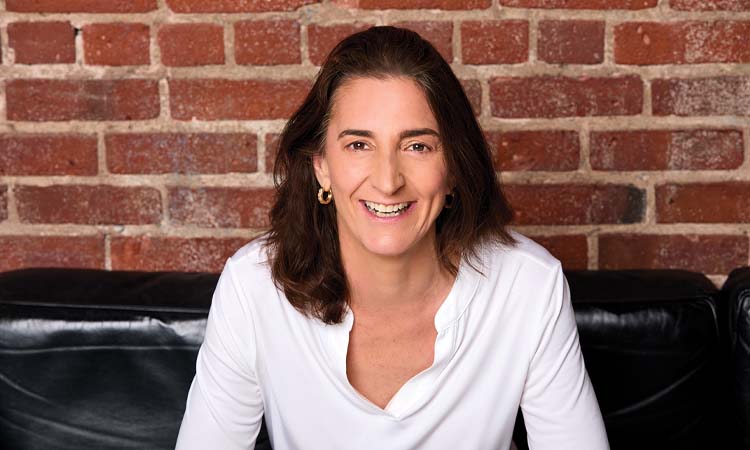
Phillips is president and CEO of a Twin Cities nonprofit called the New Impact Fund, which aims to bridge funding gaps faced by Black and other entrepreneurs of color. It achieves that mission by “connecting donor capital from high-net-worth individuals and families with high-potential, high-impact ventures in underinvested communities,” she says.
The wealthy individuals make philanthropic gifts to the New Impact Fund. “Because these individuals are not getting their money back, they are willing to have their money take more risk than absolutely anybody in the local lending ecosystem, and that’s really important,” Phillips says.
“We have a great community of niche, focused CDFIs and alternative lenders,” she says. “They are often the places we source potential businesses from, but those lenders still have [some] constraints,” she notes.
“So high-net-worth individuals—who are very committed to wanting to grow BIPOC wealth, grow generational prosperity, grow jobs in underinvested and underestimated communities—are willing to have their dollars go where others won’t,” she says. The minimum investment for New Impact Fund’s Evergreen Loan Fund is $60,000.
Donations from wealthy people flow into a financing pool used to make loans to entrepreneurs. The businesses need to demonstrate that they can cash flow and manage their debt as well as articulate where the business is going and how they would use the money, Phillips says.
Many of the wealthy donors are organized into small cohorts or groups, where they learn more about social issues, investing, and giving. They also share their social capital with New Impact Fund businesses, because they build strong relationships with the companies they support, says fund spokesperson Carol Schuler.
Read more from this issue

“By the end of 2024, over $2 million will have been distributed to Black-owned businesses, with an additional $1 million secured from philanthropic investors and foundations,” says Schuler. “This means high-net-worth individuals contributed $2 million through their cohorts to support the businesses they chose to work with.”
Phillips began developing the New Impact Fund several years ago, but the work kicked into higher gear following the 2020 murder of George Floyd in Minneapolis. She’s excited about bringing together wealthy people who want to do good and entrepreneurs who have the potential to succeed in the marketplace.
“They’re talented, they’re passionate, they’re courageous, and they have started businesses,” Phillips says. “They want to grow. Historically, BIPOC entrepreneurs have been left out of accessing the capital they need to stabilize, grow, and scale their businesses.”
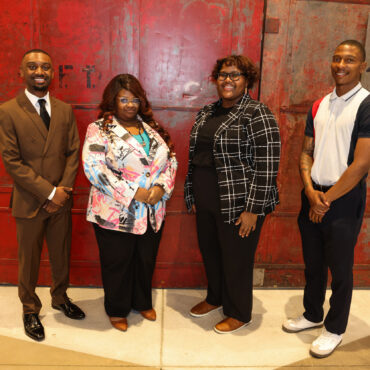
Some of the early recipients of the New Impact Fund loan financing are Calvin Littlejohn, owner of Tri-Construction, Minneapolis; Tameka Jones, owner of Lip Esteem, St. Paul; and Nubiah Taylor, owner of Taylor’d Cosmetology School, Minneapolis.