Luring Audiences Back to Live Performances
Recent news reports about Twin Cities performing arts organizations have largely been grim.
Dance-centric Cowles Center announced it was shuttering the Goodale Theater. Meanwhile, the Old Log Theater company—the oldest in the state, at 84 years—ended operations, and Minnesota Dance Theatre announced that, while it is keeping the school open, the professional company is ending, at least for now.
But what about organizations that are finding their way post-Covid, whose audiences may not have reached their pre-pandemic peak yet continue to increase? What new approaches are organizations trying that seem to be working, and how are they learning as they go? These stories are less often reported because trouble makes news when success often doesn’t.
Case in point: the Minnesota Orchestra. Gwen Pappas, vice president of communications and public relations, says that while audiences are not 100% back to earlier levels, each year has shown steady progress.
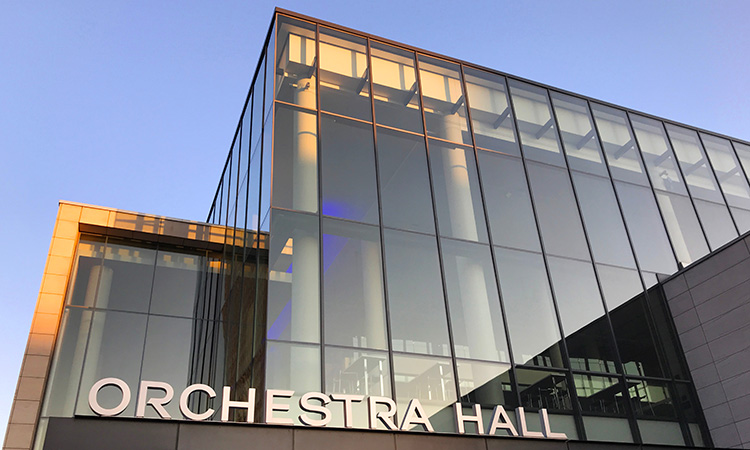
Have you been to Orchestra Hall lately? The organization has enlivened the environment. Comfortable chairs are in the lobby, and there’s expanded bar, beverage, and food service. There’s a shop with music-related gifts and branded Minnesota Orchestra items. There’s a selfie station for documenting the night out, as well as pre- and post-concert lectures, chamber music performances, jazz, and mingling with orchestra members. These offerings enhance the experience of the concert itself. It’s fun.
“It has been a long journey back for everyone,” Pappas says, describing it as “a kind of steady progression in the right direction.” What drove the relative success? First, Pappas reminds us that the orchestra stayed connected with audiences during the pandemic. It staged outdoor concerts, created televised and live streams, and, as soon as possible, invited audiences back to Orchestra Hall in socially distanced seating patterns, attendant to other protocols. “Because the connection was never entirely severed, it was easier for people to find the road back.”
The orchestra also invested in research and listened to audience feedback. “One thing that came through loud and clear was that audiences wanted earlier start times for concerts,” she says. So concerts at 11 a.m., 2 p.m., and 7:30 p.m. have increased, giving music lovers more options.
But the biggest focus was on the experience of coming to the hall. “There was a period that we thought, ‘We are competing with the couch. We want audiences to have a varied experience that’s worth leaving the couch for.’ That’s helped us realize that concert-going needs to be an ‘all in’ experience. The audience is coming for a special evening out—we are focused on providing it,” Pappas says.
The orchestra also has turned its attention to new audiences. There is now the opportunity to see how new people can be welcomed to a great night out at Orchestra Hall. Look for free tickets for children, experiments with shorter concerts, and discounts for new attendees, all directed toward audience expansion.
What about smaller organizations and venues? The Cedar Cultural Center, in Minneapolis’ West Bank neighborhood, is also seeing steady increases in audiences. It is not yet at pre-pandemic peaks, but progress continues.
The Cedar’s music programming is wildly diverse. In the past two years, it presented artists from 58 countries and 12 tribal nations, representing every continent except Antarctica. Many of these artists may be well known in particular communities but are less known outside these groups.
To welcome audiences, The Cedar uses its promotion and educational channels to share artist information with the general audience and creates partnerships with specific neighborhood, cultural, and ethnic groups whose performers may not have other outlets in our region.
Michelle Woster, executive director, explains, “It’s more work to create relationships around every artist, but those relationships also build over time. This approach may be a bit slower, but it’s amazing to see people from countries around the world, living in Minnesota, having a connection to their country of heritage and coming to hear these concerts live at The Cedar.”
“We don’t have a large advertising budget,” Woster says, “so we have to be creative. We have to innovate.” This includes a lot of “hand selling” by forging deep community connections—connections that are durable and can last.
There is tremendous joy in experiencing live music, theater, and dance in the company of other humans. By supporting artists and cultural organizations, Twin Cities residents ensure that our cities will remain lively and interesting.