How Minnesota’s Biggest Businesses Fight Global Warming
Minnesotans have endured three consecutive summer droughts, and in 2023 they watched global temperatures soar as July and August became the hottest on record.
The experiences and statistics are sobering, and they may create greater resolve to accelerate progress on climate change.
Several large Minnesota companies are on the front lines in cutting greenhouse gas emissions, reducing water use, and developing sustainable practices for growing food.
Twin Cities Business asked Ecolab, Cargill, Land O’Lakes, and Xcel Energy to define what they are doing to combat global warming. Business leaders from the companies also assessed the effects of private-sector initiatives as extreme weather events and record-breaking heat become more common.
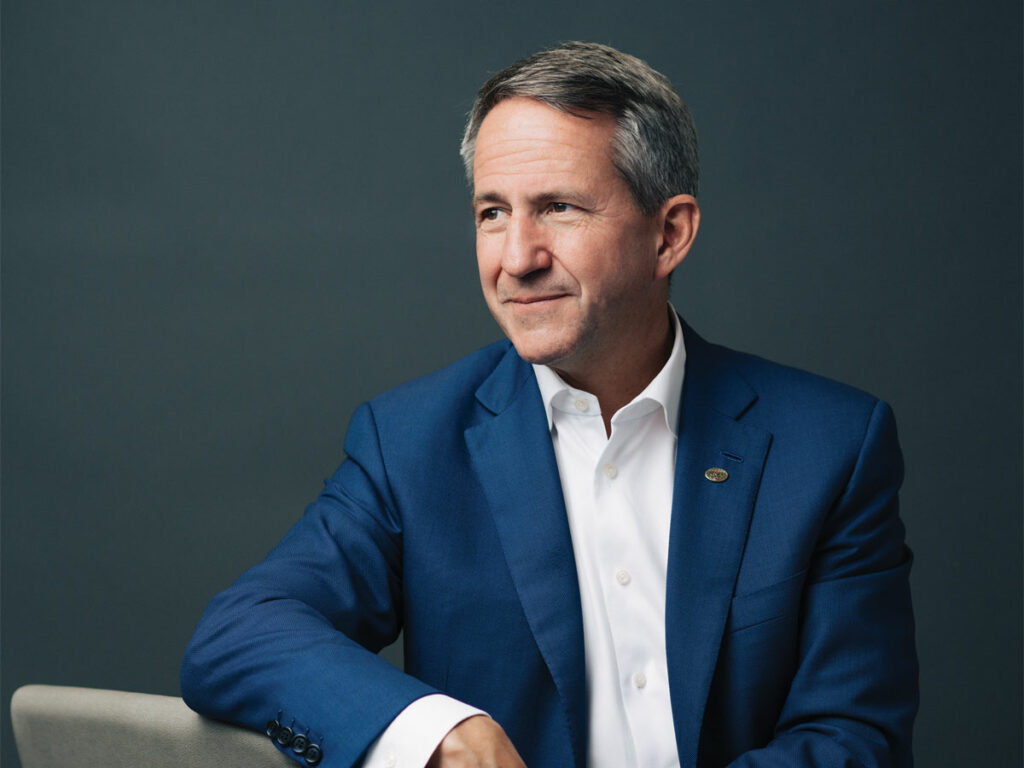
Water scarcity fuels the passion of Ecolab CEO Christophe Beck to make a difference on climate change. From his headquarters in downtown St. Paul, Beck focuses on strategies to reduce water use among Ecolab’s customers in more than 170 countries.
“We need to face the truth that today, the world is not on the right path,” Beck says. Globally, one in four people lack access to safe, potable water, and unsustainable demands are being placed on water systems.
In the United States, Beck says, 36 states already are seeing the effects of “water stress.” That occurs when “you draw more water than what nature can replenish, which means that the groundwater level goes down,” he says.
He labels London as one of the top water-stressed cities in Europe. “It’s just a question of time when the problem is going to become acute for industries and for people there, too,” Beck says.
Ecolab, which is celebrating its 100th anniversary, was known in earlier decades for its cleaning products. Today, it identifies itself as a “water, hygiene, and infection prevention solutions and services” company.
“We have a very big reach, and what we do is to help customers reuse and recycle water,” Beck says. “We’ve made the commitment that by 2030 we will have helped our customers save enough water for the drinking needs of a billion people.”
Ecolab isn’t simply urging companies to do what is good for the environment in an ethical sense. Beck says Ecolab’s water management solutions make business sense for customers, thus providing a financial incentive for them to modify their practices.
“When they use less water, because they reuse it, they reduce energy use as well,” he says. “That reduces their cost and their impact as well on their carbon footprint, which is a good deal, ultimately, for customers, the environment, and for us.”
While many people associate global warming with the emission of greenhouse gases from vehicles and facilities, less visible is how water usage is linked to climate change.
“In an industrial setting, up to 75% of the power being used in a plant is used to manage water—to heat water, to cool water, to transport water, to purify water, to treat water,” Beck says.
Companies that decrease their energy use end up reducing their carbon footprint. “The best and most impactful way to reduce greenhouse gas emissions is to reuse and recycle water, because you reduce and recycle energy,” Beck says. “Twenty percent of the power that is generated in California is used to manage water.”
Heading in the Wrong Direction
Read more from this issue
Ecolab supports the climate change targets that were set in December 2015 at the United Nations Climate Change Conference in France. The document that was produced is commonly known as the Paris Agreement.
A primary element of that pact is to limit the global temperature increase to 1.5 degrees Celsius during the current century. The United States pulled out of the agreement during the Trump administration and resumed participation during the Biden administration.
Compliance with the agreement’s terms “would require that we reduce carbon emissions by 45% by 2030, which means roughly 7.5% per year,” Beck says. “Last year, the world went up 2% [in emissions], so it went the wrong way. It feels like the 1.5-degree cap that we all are trying to reach by 2100, we will probably reach by 2050. That’s not exactly good news.”
But Beck is encouraged by the leadership being taken by some countries and companies.
“Microsoft announced that by 2030 the data centers are going to be net-zero water and net-zero carbon,” he says. Microsoft is the type of company that prompted Beck and his leadership team to launch the Ecolab Water for Climate program about a year ago. “It brings all the capabilities of Ecolab together to help those most advanced customers like Microsoft to get to net zero by the time frame that they’ve defined,” he says.
In the past, Beck says, Ecolab was helping its customers make incremental changes that yielded annual improvements. However, based on the urgency of climate change and the desire for companies to accelerate their progress, Ecolab will work more intensely on climate solutions with the most advanced and sophisticated customers.
“[London water users] are using much more water than what nature can replenish.”
—Christophe Beck, Ecolab’s CEO
“Industry is very interested in moving faster,” Beck says. “Consumers, at the same time, are expecting their companies they buy from to do much more for climate change, especially the new generations.”
Access to clean and safe water was cited as a concern by 81% of U.S. consumers in the inaugural Ecolab Watermark Study released in September. The study also found that 65% of U.S. consumers “agree that businesses and manufacturers lack clear guidance and plans to combat water scarcity.”
In the global survey, a majority of consumers expressed optimism that the water crisis can be mitigated if government and business leaders take “proper and immediate action.”
In Europe, where there has been very hot summer weather, France is working with Ecolab on water solutions. “They have been the first country in Europe with whom we’ve worked at the government level to establish a water plan,” Beck says. “[France wants] to create industrial sites where they want to have a joint plan where all the companies work together in order to get to net zero.”
Nearly one-fifth of the world’s population lives in India, and Beck says the country suffers from water shortages. “Indian customers are coming to us and asking for solutions to help them keep growing while reducing the amount of water they are using,” he says. For example, he adds, Tata Steel wants to double its steel production and cut its water usage in absolute terms.
Beef and Sustainability
During her 21-year tenure with Cargill, Pilar Cruz has worked around the world for the agribusiness giant that’s based in Minnetonka.
In her current role as chief sustainability officer, Cruz is involved in developing and supporting multiple programs that battle global warming.
A key sustainability initiative is called Cargill BeefUp. “That is our commitment to reduce greenhouse gas emissions in the North America beef supply chain,” Cruz says. “We’ve worked with partners, ranchers, NGOs, and customers to identify ways to reduce methane emissions.”
By 2030, Cargill wants to reduce emissions by 30% in its North America beef business. In the United States, beef production is responsible for about 3% of all greenhouse gas emissions.
Cargill BeefUp was launched in 2019. Among the strategies being employed are better grazing management for cattle and a reduction in food waste. Also, Cruz says, alternative feed solutions for beef cattle are being tested at the Cargill Global Animal Nutrition Innovation Center in Elk River, Minnesota.
In addition to working with ranchers on BeefUp, Cruz says Cargill has partnerships with McDonald’s, Burger King, Target, Nestle, and Taco Bell.
“Consumers love beef,” Cruz says. “But we are making investments in plant-based proteins because we know consumers are asking for them.”
On a daily basis, she says, Cargill deals with the intersection of climate change and food security as it “moves food from places where it is produced to places where it’s needed.”
It recently began testing what are called WindWings, which can be placed on cargo vessels. Cargill is in a partnership with BAR Technologies and Yara Marine Technologies to assess the impact of the new product.
“It is the concept of having a wind sail moving a large vessel in the ocean, which has the potential to reduce greenhouse gas emissions significantly,” Cruz says. The 123-foot-high sails—made of steel and composite glass—are estimated to decrease fuel use by 20%.
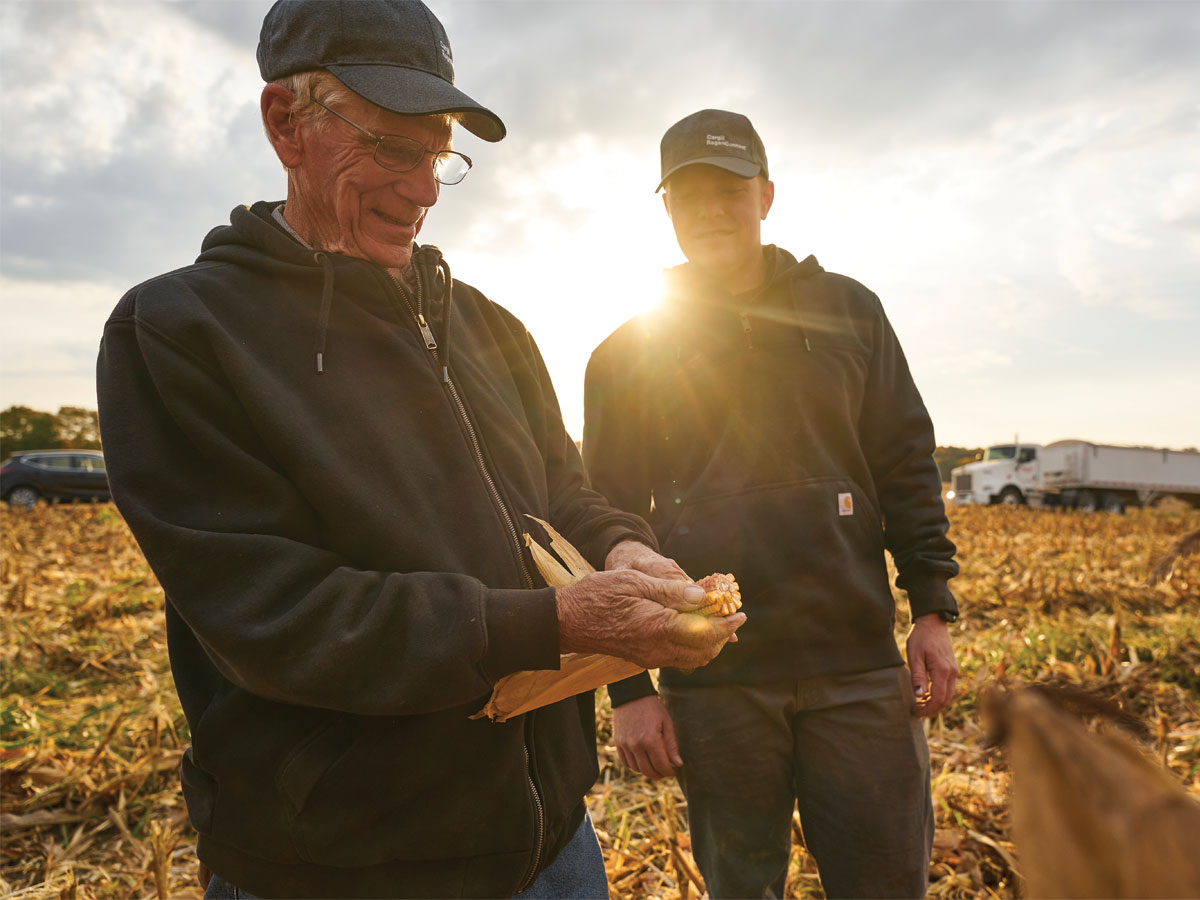
Minnesota farmers are part of the global commodities market, and their crops are transported around the globe. Earlier this year, Cruz traveled to a Mankato-area farm where the farmer was enrolled in Cargill’s RegenConnect program. Cargill buys corn and soybeans from the southern Minnesota farmer.
RegenConnect was introduced two and a half years ago to increase farmers’ adoption of regenerative agriculture. That includes planting cover crops and not tilling the soil or reducing tillage of some farm acres.
“It is all about identifying practices that help increase the resiliency of the soil, working with farmers to increase yields and productivity but reduce waste at the farm level,” Cruz says. “We partnered with John Deere recently to provide technology solutions to make it easier for the farmers to measure the effectiveness of these programs.”
Storing Carbon on Farms
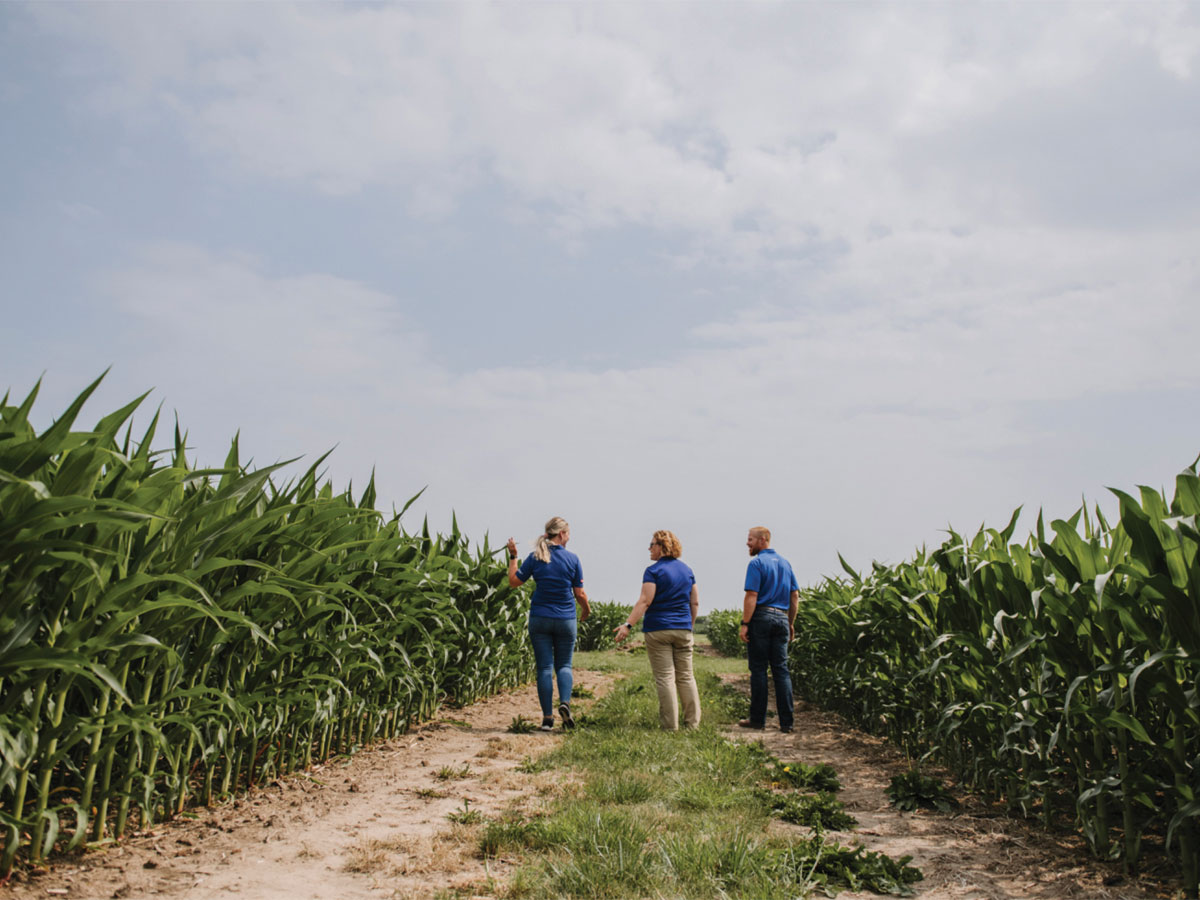
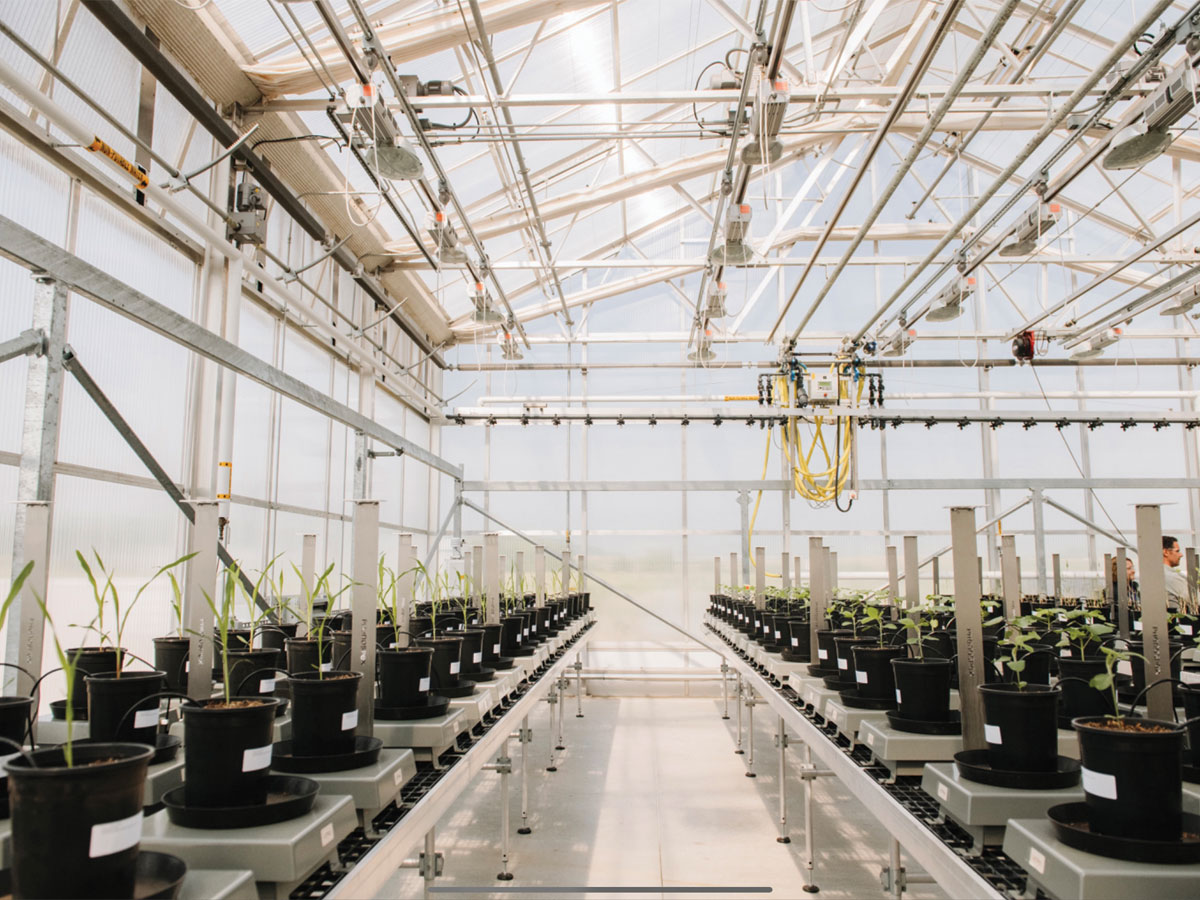
Two Midwest farm boys who earned degrees in agricultural economics now hold executive jobs at Land O’Lakes in which they promote sustainability in farming.
Brett Bruggeman, a native of central Iowa, is executive vice president and chief operating officer of Arden Hills-based Land O’Lakes. Tom Ryan, who was raised on a farm near Springfield, Minnesota, is president of Truterra, a business owned by Land O’Lakes.
Like Cargill, the 102-year-old Land O’Lakes cooperative embraces regenerative agriculture. Dairy farmers and agriculture supply retailers are the cooperative’s owners.
“In the last two years, we’ve been working first and foremost with row-crop farmers,” Ryan says. “We’ve been able to pay over $9 million to farmers for adopting conservation practices like cover crops, no-till, and nitrogen management. We’ve sequestered over a half-million tons of carbon from the atmosphere and banked that into the soil.”
During photosynthesis, plants absorb carbon dioxide from the air, and much of it is stored in plant roots. Land O’Lakes encourages farmers to plant cover crops and embrace no-till practices to avoid releasing the carbon. “By not disturbing that soil, you’ve transferred that atmospheric carbon into the soil, and then you leave it there,” Ryan says.
Every day, Bruggeman says, Land O’Lakes leaders are focused on two overarching questions: How do we increase productivity? How do we make more food with less water and do it sustainably?
“We are very disciplined around a science-based, data-driven approach,” he says, so that multiple parts of the Land O’Lakes business can help farmers succeed in ways that lessen agriculture’s impact on the environment.
Through its product lines that serve livestock and crop producers, Land O’Lakes has the scale to have a major impact on how fertilizer, water, and other resources are used on farms. “We sell close to $10 billion of crop inputs [annually],” Bruggeman says, and employees across the cooperative leverage scientific knowledge and tools designed to help farmers on a customized, individual farm level.
“With all the variables in ag, the reality is the way to reduce risk is to use data,” Bruggeman says. Land O’Lakes products feed more than 100 million animals and are used on about one-third of all U.S. acres, he adds.
In effect, regenerative agriculture builds on the conservation practices many farmers have employed for years so they would have healthy soil on the farms they passed along to the next generation.
To ensure that farmers embrace sustainable practices, Ryan says they need to see agronomic, economic, and environmental benefits and components.
Land O’Lakes, he says, helps growers transition through the agronomic benefits of sustainability. “If we are not driving productivity, a farmer is not going to adopt it.”
An economic value also must be present, he says. “We are not in the business of just growing bushels,” he says. “They have to be profitable bushels that ensure the long-term viability of that farm.”
Finally, the environmental benefits need to be clear. “We can’t just do whatever we want and say, ‘Well, it will sort itself out,’ ” he says. “We have to steward our resources in a way that allows us to thrive and to drive the benefits to the local communities that all of these farmers reside in.”
Harnessing Wind for Energy
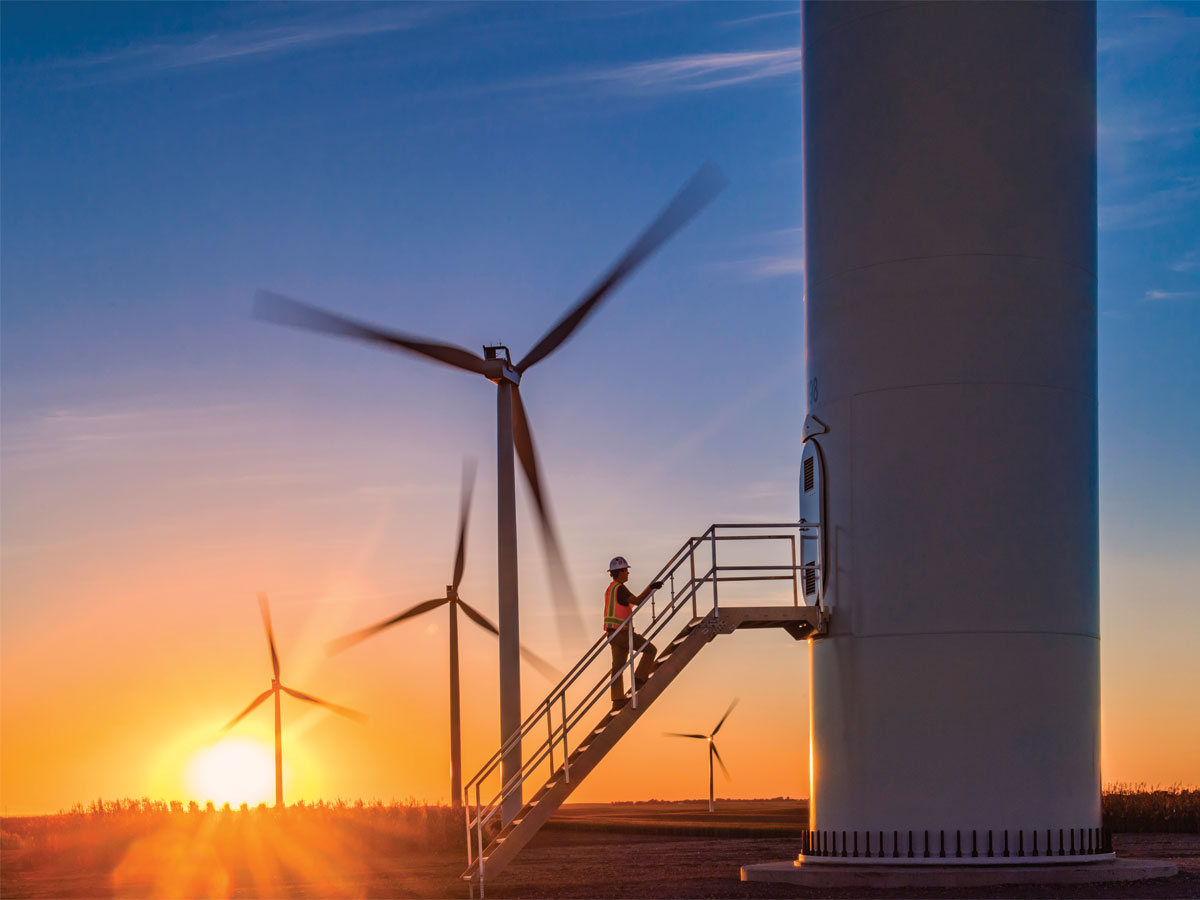
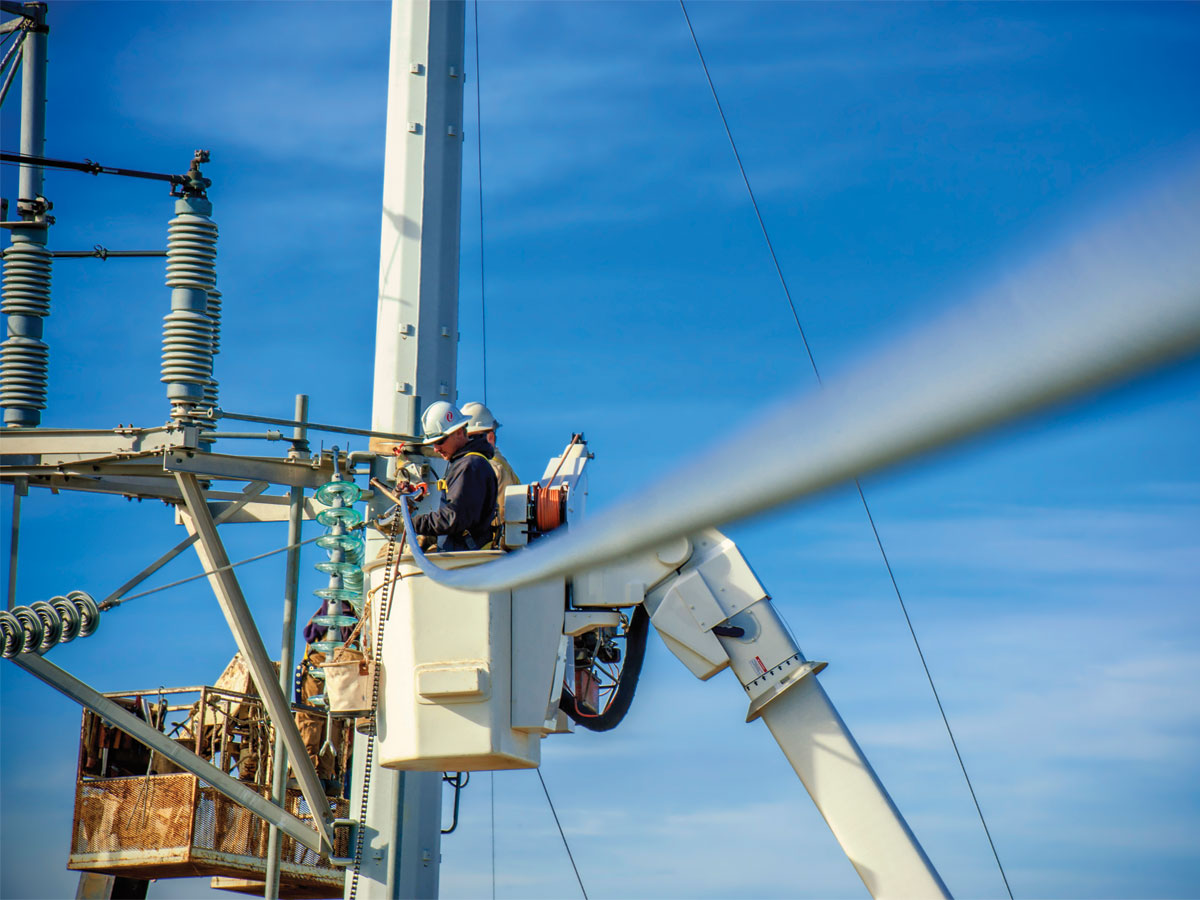
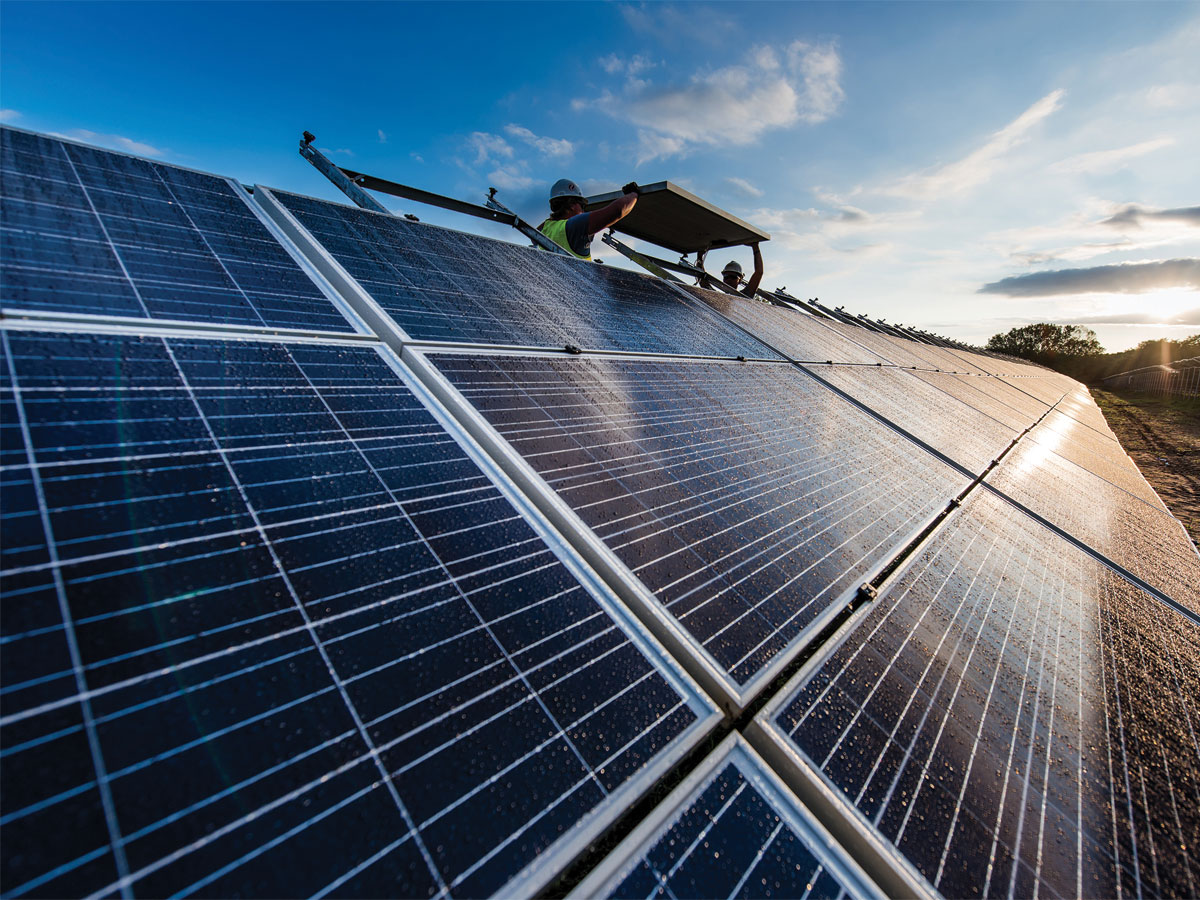
In 2030, Xcel Energy will close its last coal plant in Minnesota. It will be a major milestone that marks how far the Minneapolis-based utility has come in shifting to an energy system that relies primarily on renewable sources.
“We’ve been on a journey since the early 2000s to transition our system,” says Chris Clark, Xcel Energy president for Minnesota, North Dakota, and South Dakota. “We’ve been closing coal plants. We’ve been the nation’s No. 1 wind provider for many, many years.”
In Xcel’s five-state Upper Midwest region, its energy source mix in 2005 was led by coal, at 51%, while wind was last, at only 3%. By 2022, wind had soared to first place, with a 30% share, and coal had fallen to 18%.
Xcel Energy was a pioneer among U.S. utilities in setting a goal to become 100% carbon-free in producing electricity, Clark says. The original target was 2050 for the utility that provides power in eight Midwest and Western states.
“Since we set that goal several years ago, the state of Minnesota in the last legislative session passed a goal to be 100% carbon-free by 2040,” he says. Xcel backed the legislation.
“We supported it even though it was more aggressive than our 2050 goal, because we don’t mind being pushed by the state, and we think that there are a lot of reasons to try to go as fast as we can,” Clark says.
Xcel has three units at its Sherco coal-fired power plant in Becker, Minnesota. The coal units will be shut down this year, in 2026, and in 2030.
“As we are closing those coal units, we are also building the state’s largest solar installation right next to the plant,” Clark says. A year ago, Xcel Energy said it planned to nearly triple the amount of solar on its Upper Midwest system by 2028.
Clark says that Xcel will also be testing the performance of a long-duration battery and exploring other new technologies.
Xcel has seen marked improvements in the performance of wind energy technology.
“Over the 25-plus years that wind has been on our system, we’ve seen a dramatic increase in the amount of energy you get from a wind turbine and in the quality of energy you get,” Clark says.
“The wind turbines that are made today and installed are able to capture wind and make energy at lower wind speeds and go up to higher wind speeds,” he says. “The blades are bigger, and the geometries are better. They actually are using that [new design] to capture more wind.”
Creating a Sustainable Future
Xcel Energy is part of a new coalition, unveiled in late August, that focuses on producing sustainable aviation fuel.
Through the Greater MSP Partnership, Xcel, Ecolab, Delta Air Lines, and Bank of America have pledged to establish a Minnesota sustainable aviation fuel (SAF) hub.
This business collaboration was formed with the intent of commercial aviation reaching a net-zero goal by 2050. With the desire to reduce greenhouse gas production, the coalition announced a “focus on transforming Minnesota ethanol to jet fuel.”
This year, Gov. Tim Walz signed legislation that created a sustainable aviation fuel tax credit.
Ecolab CEO Beck is excited about the potential impact of the Minnesota aviation fuel initiative. “I see my role in my job to work at two levels—the local one and the global one.”
“Progress is tangible and impactful. Yet I can say we know we have to do more.”
—Pilar Cruz, Cargill’s Chief Sustainability Officer
On a global level, Beck is co-chair of the Water Resilience Coalition. The other co-chair is Sanda Ojiambo of Kenya, assistant secretary-general of the United Nations Global Compact.
About 150 huge companies have a profound effect on global water usage, so Beck says the Water Resilience Coalition wants to shift the practices of those businesses to get them to net zero by 2050. It also wants to replenish the most important water basins around the world and provide access to the millions of people who don’t have clean water where they live.
Beck is abundantly aware of the tremendous challenges posed by climate change and the need for people around the globe to respond substantively and with a sense of urgency to meet the crisis.
He’s encouraged that many people in the private sector see that global warming is too important to get mired in politics. After the United States withdrew from the Paris Agreement in 2019, Beck notes that many companies stayed the course and held firm to their climate change commitments.
“They knew it was the right thing to do—to protect their business, to do what is right for the consumers, to do what is right for their communities and what is right for the bottom line,” Beck says.