Youth Initiative: Spark-Y
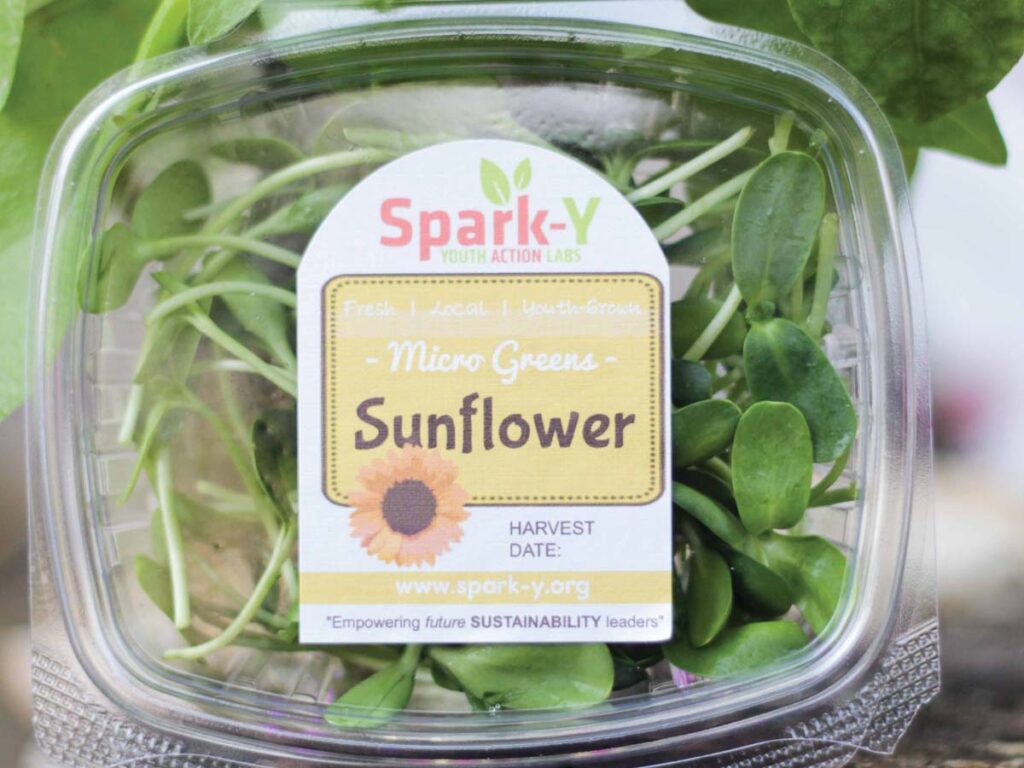
A massive aquaponics system lines the wall of Spark-Y’s central office in the Northeast Minneapolis Casket Arts Building. The timber-frame structure is used year-round to grow microgreens that are sold to CSAs, co-ops, and local restaurants. But that’s all a bonus. The aquaponics system is there to inspire children.
“If you do an aquaponics system in a classroom, you can use the system to teach every subject,” says Spark-Y executive director Zachary Robinson. “And it’s a hands-on business that you could execute.”
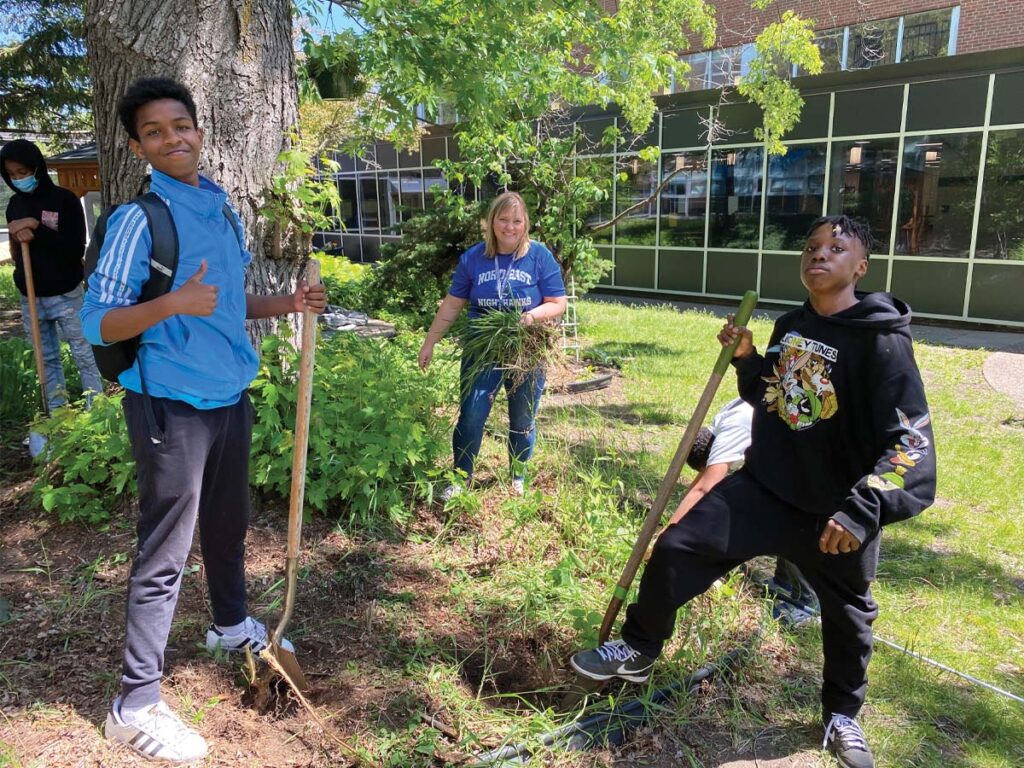
That’s the sweet spot for this 14-year-old nonprofit: Spark-Y teaches entrepreneurship and sustainability through STEM-based programming, with a goal to close racial and economic achievement gaps. The group works with more than 4,000 students a year, ranging in age from grade school to college undergraduates. Spark-Y’s urban agriculture program currently has a waitlist at area schools.
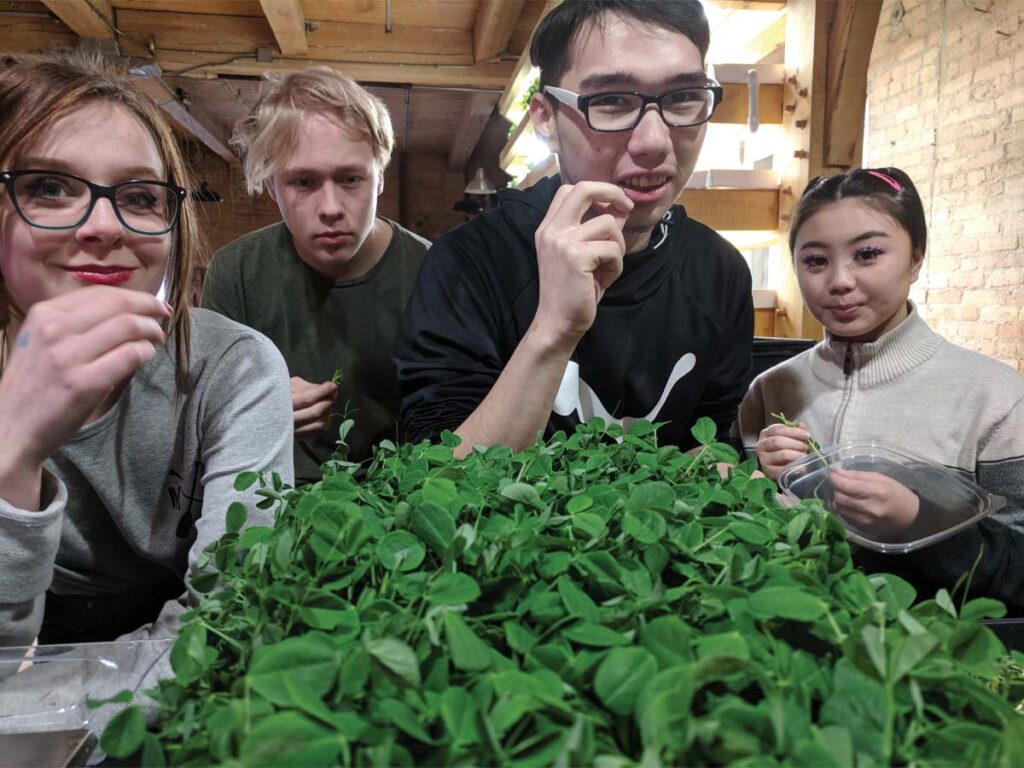
“Our unique model is cracking the code on how to deliver dynamic, hands-on education in the classroom during a teacher shortage,” Robinson says. Educational materials are available through Spark-Y as well.
In the coming year, Spark-Y looks to expand its programming by working with a broad network of community partners, Robinson says. The nonprofit works with private companies, public entities like the Minneapolis Department of Public Works, and local parks systems.
Recently Spark-Y launched an employer-backed certificate program in partnership with the Minnesota Department of Labor. The certification involves both soft and hard skills. “We went to employers and said, ‘If you’ve had this experience and demonstrated these skills, would that make them employable at the entry level for your organization?’ ” Robinson says. Cargill, Bachman’s, and Minnesota Landscape Nursery are among the businesses to sign on to the program.
The certificate program is something Spark-Y hopes to eventually employ in another recent initiative, the Youth Pathways Diversionary Program, which works to combat child recidivism among at-risk youths referred by the county’s judicial system. If program participants complete a three-phase process, minor legal charges on their record can be dropped. Through this process, youths build their resume, work at the Spark-Y office as an intern, and learn new technical skills. Pathways candidates also can look for and apply for other apprenticeship opportunities and jobs.
“We’re still connecting the neurons between education and the workforce,” Robinson says. “But the thesis becomes that, if you can learn what you might learn in an undergraduate degree while getting paid at Spark-Y, there’s no shortage of the potential.”