Response to Youth Mental Health Crisis: Nexus Family Healing
In its Covid-19 Practitioner Impact Survey released in November, the American Psychological Association noted that “the demand for mental health services continues to increase while psychologists are struggling to provide needed care.” According to the survey, “the largest increase in patients was from adolescents ages 13–17, with 46% of psychologists reporting increases over the prior 12 months.” During that same period, the practitioners that the APA surveyed reported that the number of patients under the age of 13 jumped 38 percent.
Michelle Murray, CEO and president of Plymouth-based Nexus Family Healing, is well aware of this crisis. “We’re hearing from the schools that kids’ mental health needs are increasing,” she says. “And it’s getting out of control.”
Nexus is helping kids, families, and communities regain at least a measure of control. “We try to find ways that we can help fill the gaps, because there are a lot of gaps in mental and behavioral health right now,” Murray says. Now helping more than 4,000 kids, Nexus’s mental and behavioral health services include residential treatment, foster care and adoption, and in-home and outpatient therapy. Nexus also provides crisis services to both children and adults.
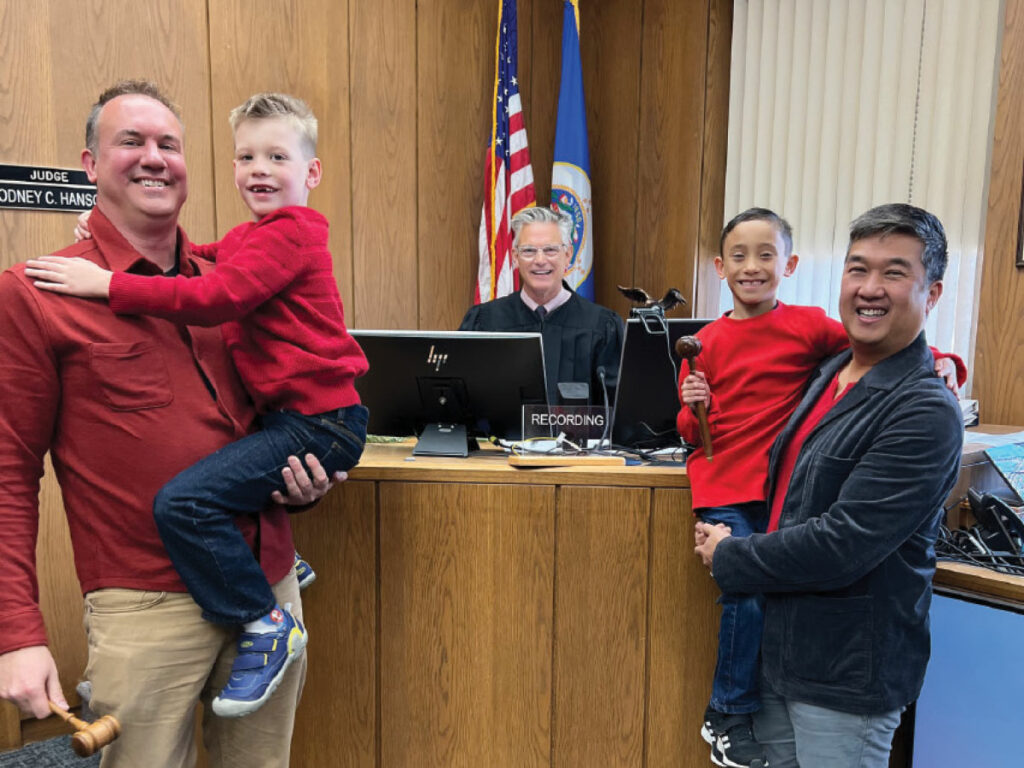
An essential part of Nexus’ approach, Murray says, is “a strong emphasis on family.” Except in cases where a family is deteriorating, children and adolescents “have to be able to live with their family,” she says. “They don’t belong in hospitals or residential programs or other people’s houses. We want to work with the family to deal with whatever issues are going on so that they know how to take care of their child. Then we work with the child’s issues so that they know how to be parented appropriately. That’s where you’re going to gain your outcome.”
Nexus also follows what Murray calls a “community approach” in providing its services, working closely with hospitals, government, and law enforcement “so that there are sustaining gains in the work that they’re doing,” she says. Solutions vary from child to child and family to family. Sometimes, community service providers can respond to the family in crisis in their own home. Other times, kids and parents need access to a crisis center or hospital care.
Last year, Nexus opened the Southeast Regional Crisis Center in Rochester in partnership with a 10-county consortium, with Mayo Clinic and other entities providing funding. Nexus also worked with Dakota and Washington counties to open Aspen House, a 12-bed shelter that gives kids in crisis situations a place to stay and receive therapeutic services.

“They’ve been a great partner in helping us start up Aspen House and then handling the day-to-day operations,” Dakota County social services director Evan Henspeter says. In addition, he says, “Nexus played a big role in meeting with community members leading up to the opening, meeting with local school districts and other important partners to talk more about what this would look like.”
The work to restore and maintain the mental wellness of a generation in crisis takes a community—as well as a family.