Long-Term Impact: Minnesota Community Care
Minnesota Community Care (MCC) has operated under a couple different monikers over the years, but its commitment to providing health care for underserved Minnesotans hasn’t changed.
The organization began as a grassroots effort in the basement of St. Michael’s Church in St. Paul back in 1969. Known as the People’s Health Center at the time, the organization was designed to bridge a gap in health care services for Spanish-speaking residents. Longtime St. Paulites may remember the organization as West Side Community Health Services, a name adopted in the ’70s.
Over 50 years later, the organization is still laser-focused on filling gaps in health coverage across the state. Reuben Moore, who has been president and executive officer since 2017, says the organization has long “championed health equity for all.”
That’s partly why the organization changed its name to Minnesota Community Care in 2019. These days, MCC provides health care for more than 35,000 people each year. Many of its patients—about 13,000 last year—are uninsured.
“We can’t just be a primary care medical organization alone,” Moore says. “We also have to be a social safety net, and part of the social safety net.”
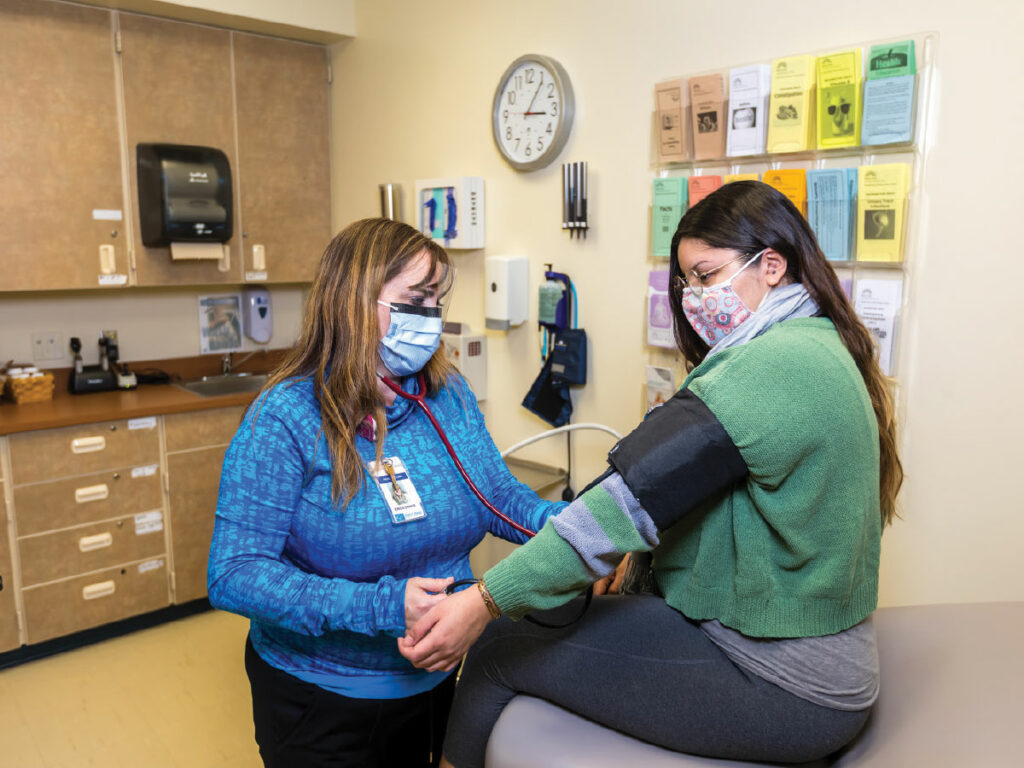
That’s why the organization also focuses on providing “wraparound services,” which include dental care, behavioral health, even optometry. Above all, MCC aims to treat all patients who come in with respect, Moore says.
“The crowning achievement for us is building clinics, services, and teams that provide dignity to all who come, no matter their economic background,” he says.
“We can’t just be a primary care medical organization alone.”
—Reuben Moore, president and executive officer
MCC is a federally qualified health center (FQHC), an organization that receives federal funding to provide health care to all who come in, regardless of their ability to pay. Established under President Lyndon B. Johnson’s War on Poverty program in the 1960s, these kind of health centers operate under a few strict requirements, including a mandate that at least 51% of their governing boards are composed of patients. That means MCC answers directly to community needs. “Our patients tell us what we need to deliver,” Moore says. MCC is the largest FQHC in the state.
After Covid-19 struck and vaccines became available, MCC played a vital role in inoculating a sometimes hard-to-reach population, says Jonathan Watson, CEO of the Minnesota Association of Community Health Centers, which helps FQHCs in the state. “Their pandemic response was unbelievable,” Watson says.
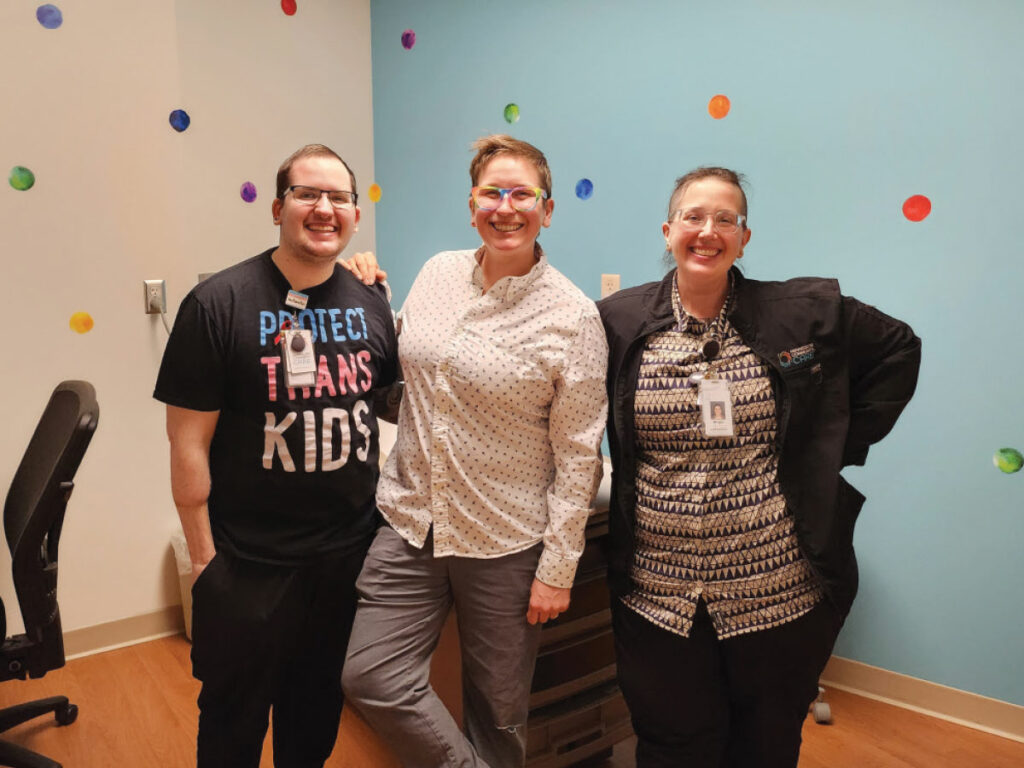
Watson also commended MCC’s ability to serve a diverse range of often-underserved Minnesotans, including Hmong and Vietnamese immigrants. “Trust is key,” he adds. “They have listened and built services around those communities.”
As Moore sees it, it’s all part of MCC’s broader mission to be a bridge between traditional health care services and broader social determinants of health. Since 2020, the organization has opened three new clinics. That includes one in the Catholic Charities Opportunity Center in downtown St. Paul and another in Farmington. There’s also a new wellness-focused location in the Fairview Community Health and Wellness Hub in St. Paul, in the former St. Joseph’s Hospital.