Expanding Opportunities: Autism Society of Minnesota
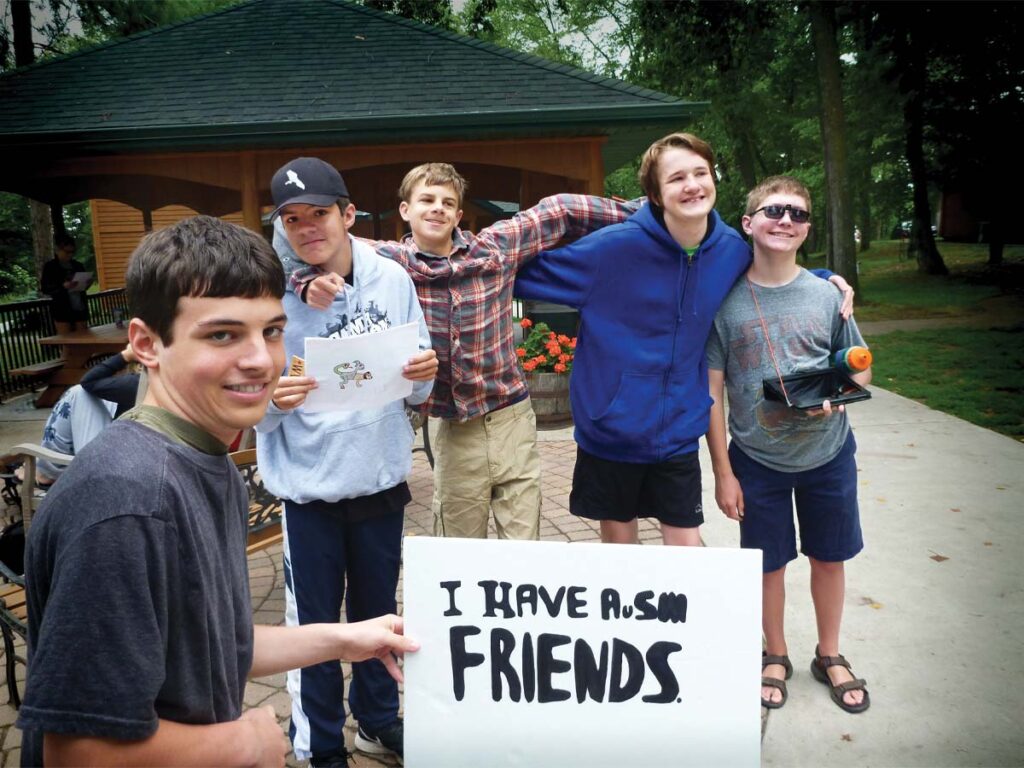
One in 34 Minnesotans is autistic, so there’s no shortage of individuals who could benefit from the services of the Autism Society of Minnesota. A St. Paul nonprofit founded in 1971, AuSM (pronounced “awesome”) has steadily evolved its resources and services to help all autistic individuals live fully.
Though the autistic community shares the same disability, the autism spectrum itself is wide and the experiences of autistic people are diverse, spanning gender, age, race, culture, and abilities. This ultimately requires services equally as multifaceted.
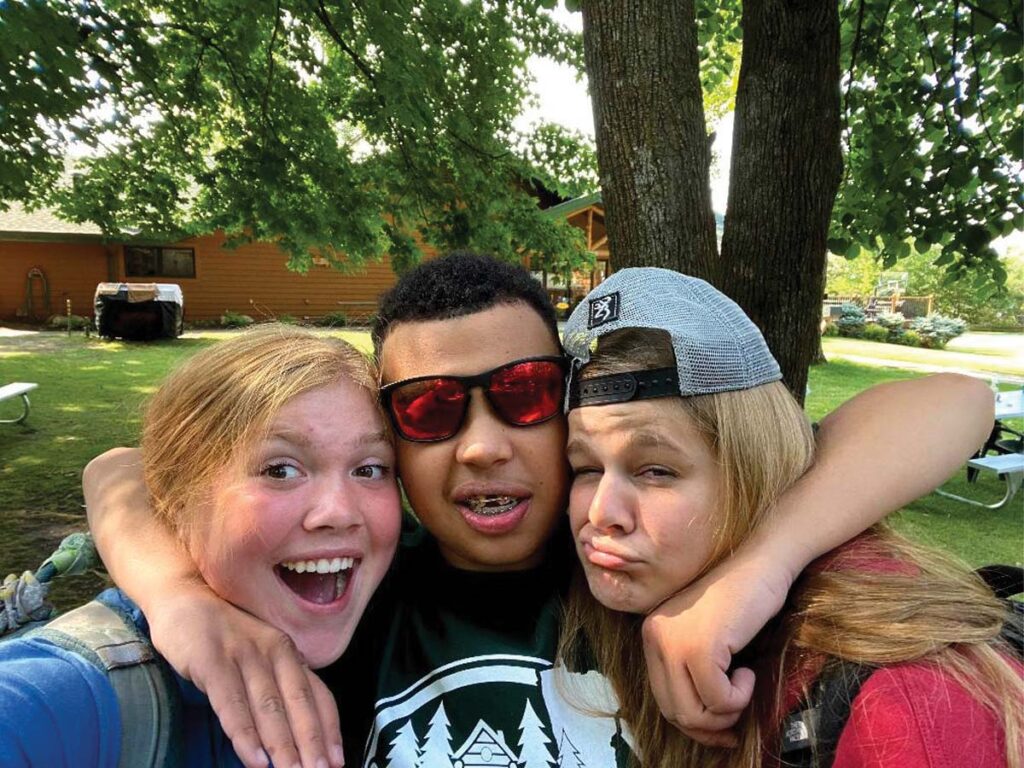
It could be AuSM’s monthly coffee club for autistic adults craving a community experience in a space that’s accessible and sensory-friendly; it might be instituting autism training for police, firefighters, and EMTs. It can also be linguistic and cultural, such as AuSM’s work with the Somali community to promote the word “mangaar” (meaning “unique mind”) to replace the language’s most common term for autism, whose meaning is a close cousin of “crazy.”
Historically, autism has been looked at with a deficit lens—more focused on what an autistic individual can’t do, rather than what they can do, says Ellie Wilson, executive director of AuSM. “We’re always trying to stay at the front edge of community evolution so that we can continue to be the most effective allies to them.”
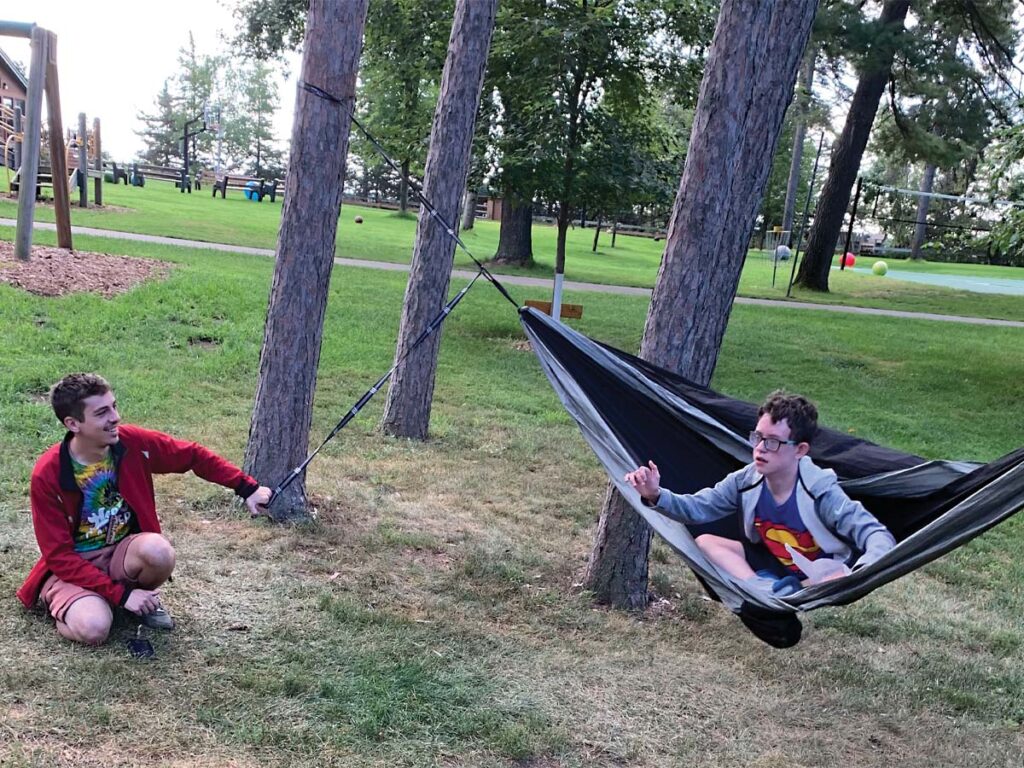
This is also why AuSM has an autistic leader integrated at every level of the organization, she adds. “We’re rarely surprised by what the community is asking for because it’s what many of us experience in our daily life, too.”
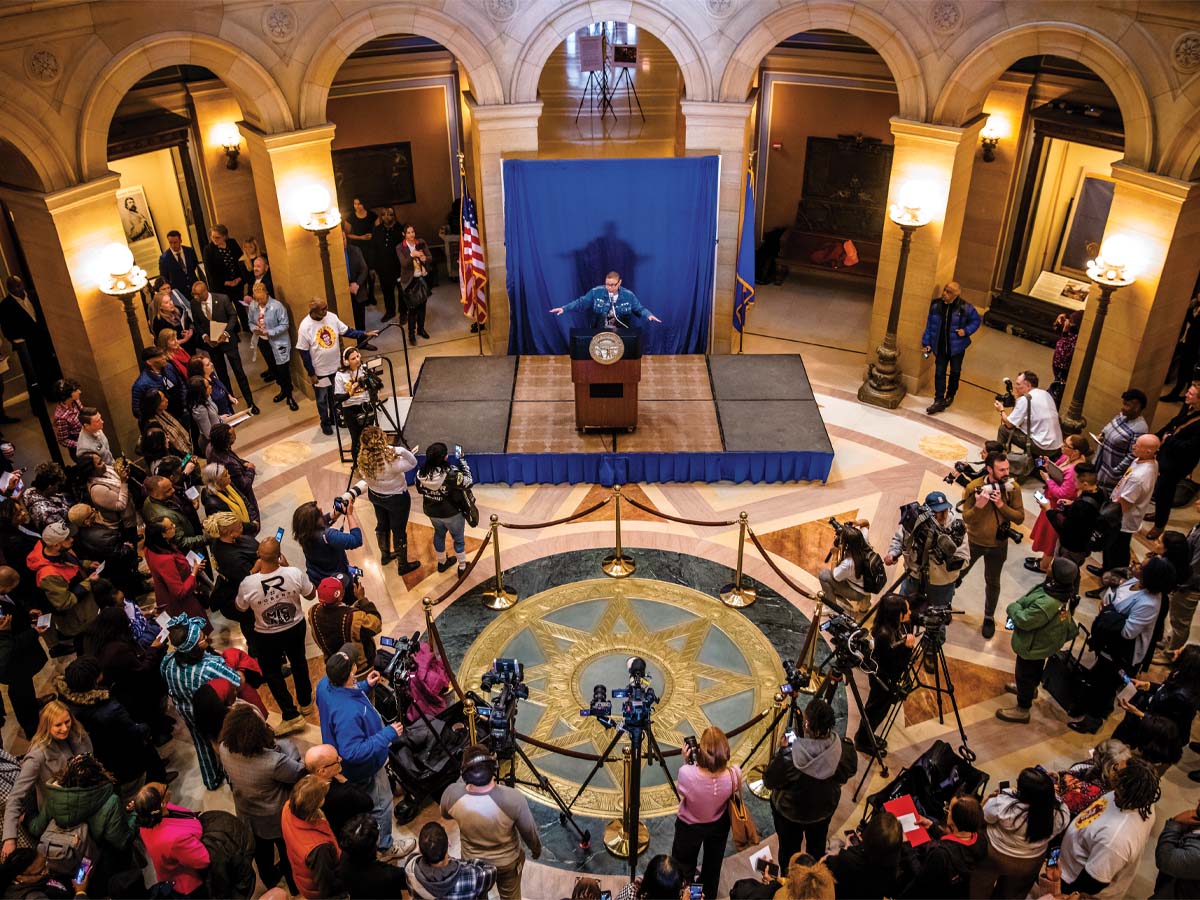
In the past few years, the organization has significantly ramped up its legislative presence. In 2024, AuSM is looking to guarantee a minimum wage for people with disabilities; employers are now allowed to pay them a sub-
minimum wage. The organization is also developing a model for employers with neurodiverse employees to help both parties navigate the work environment.
“Employers have a responsibility to provide employees with reasonable accommodations so that they can be successful,” says Daren Howard, AuSM deputy director.
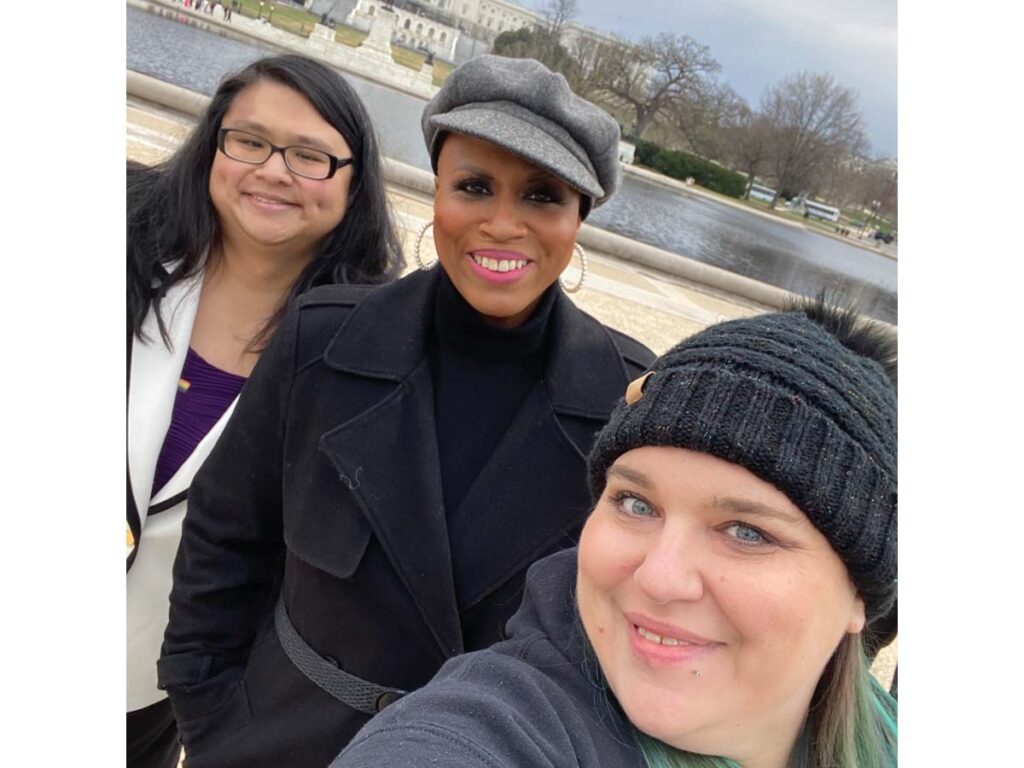
AuSM’s legislative agenda extends to mandating that certain event permits require sensory-friendly spaces, anti-ableism and disability justice training for special ed teachers, and more.
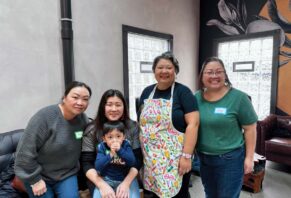
With two Innovation Grants from the Minnesota Department of Human Services, AuSM is directly allocating that money back to its partnerships with the Somali Parents Autism Network and the Multicultural Autism Action Network, aiming to overcome cultural barriers and societal stigma. The organization plans to spend at least half a million dollars on this work. It also hopes to partner with Latino, South Asian, and Somali community organizations.
Although the core of AuSM’s efforts serve the autism community, Wilson says its impacts ripple further. “We stake our claim on helping this certain faction of the disability community, but inclusion benefits all kinds of marginalized groups,” she says. “We see it as doing our part for something even bigger.”