Hard Times on the Treadmill at YWCA
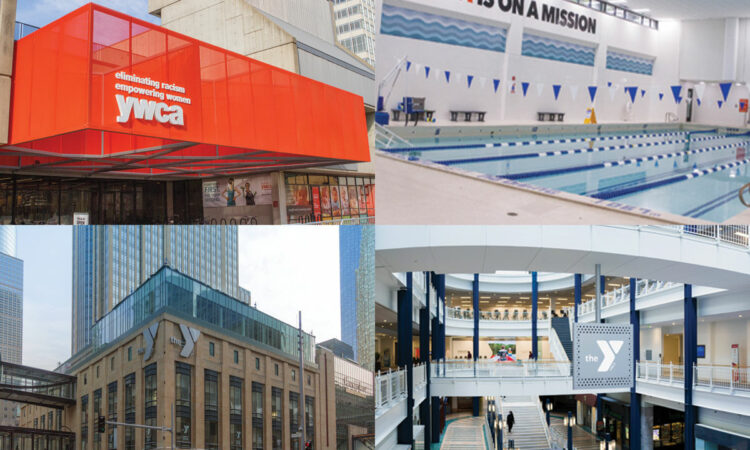
In the realm of post-pandemic closings, one of the more shocking was the summer’s announcement that the YWCA of Minneapolis was shuttering both its downtown and Uptown Minneapolis locations due to declining use. Not long after, phones began ringing at the nearly brand-new Douglas Dayton YMCA up Nicollet Mall. “We have seen an uptick in inquiries” about swim lessons, among other fitness offerings, says Glen Gunderson, president and CEO of the YMCA of the North.
“The fitness industry wasn’t great before the pandemic, but it has not come back in the same way, whether you’re Life Time, LA Fitness, or places like us and the YMCA.”
—Shelley Carthen Watson, president and CEO of YWCA Minneapolis
The two YWCA locations close Nov. 1 (non-fitness services offered downtown will continue until the building is sold). The move might give a temporary boost to the YMCA, but the broader outlook for the industry remains murky. “The fitness industry wasn’t great before the pandemic, but it has not come back in the same way, whether you’re Life Time, LA Fitness, or places like us and the YMCA,” says Shelley Carthen Watson, president and CEO of the YWCA Minneapolis.
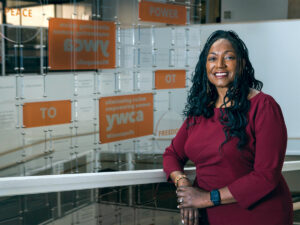
Indeed, the recent financial performances of for-profit big dogs like Life Time exemplify the pandemic’s impact on the fitness landscape: The Chanhassen company reported multimillion-dollar losses in its last two fiscal years. And for Carthen Watson at the YWCA, the math simply did not pencil out: “Fitness comprised 25% of our revenue but 35% of our expenses,” she says. Plus, historically the YWCA has primarily focused on social programs, like early child care and racial justice initiatives. “A lot of people confuse us with YMCA, whose focus is fitness,” she says. “Fitness is a very small part of all we do.”
Carthen Watson estimates that as many as 85% of YWCAs across the nation have either downsized or entirely exited the “swim and gym” business. She talked to several other chapters before making the closure decision, which is part of a larger 10-year strategic plan. Her organization also consulted with McKinsey, which provided pro bono services.
Over at the YMCA, Gunderson says his organization is committed to downtown and to well-being, though he concedes he’s facing some of the same challenges. “We saw 30-40% of our membership drop” following the pandemic, he says. It’s improved since then, but it’s been slow going.
In terms of membership, Gunderson says Y of the North is “significantly ahead of plan this year, which has been a pleasant surprise.” But the YMCA of the North—the second-largest YMCA group in the nation—comprises clubs throughout the metro area. And its downtown location “has been the slowest to come back.”