


An environmental group is asking Minneapolis to exclude CenterPoint Energy if it creates a November referendum about the city taking over utilities; however, it isn’t making that same request about Xcel Energy, which opposes the “municipalization” concept.
Energy + Environment

Minneapolis is considering adding a November ballot measure about whether to form a city-owned utility; meanwhile, the Minneapolis Chamber of Commerce and Xcel Energy, which would lose a contract if the city created a utility, have criticized the process.
The company’s second-quarter net profits and sales both doubled, due largely to a 2012 merger.

Unseasonable weather hurt CHS’ earnings, causing a smaller 2012 harvest and delayed planting this spring.

The Minnesota Court of Appeals reaffirmed a lower court’s decision, disqualifying a law firm that was representing the state in a case against 3M.
A new bioenergy production plant in South St. Paul is expected to add 20 permanent jobs.
The scope and duration of the oil boom expanded recently when the projection of the oil that's recoverable in the Williston Basin nearly doubled.

A long, cold winter, as well as rate increases in several states, helped boost Xcel's first-quarter financial results.
Ecolab expects to close on the purchase of AkzoNobel’s Purate business in June.
Biotech company BioAmber, which first announced in 2011 that it planned to go public, has lowered the amount that it hopes to raise through its initial public offering.

Xcel Energy contends that even if Boulder, Colorado, establishes a city-run utility, the municipality does not have the legal right to provide electric services outside city limits.
CHS’ energy segment saw quarterly earnings triple, helping to push the company’s total earnings past its 2008 record.
Oppidan Investment announced plans for a new office building in North Dakota’s booming Bakken region where it has recently invested in real estate developments.
Edina-based clean energy developer Geronimo Energy recently announced that it has acquired Midwest Wind Energy’s development portfolio.
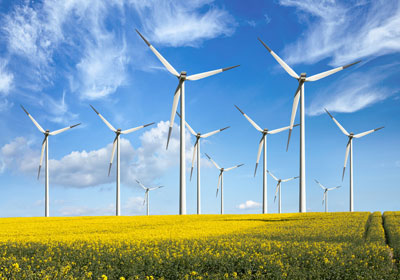
The order is in response to a request from Attorney General Lori Swanson’s office, which sought to bar Renewable Energy SD from selling its turbines while a lawsuit that Swanson filed against the company proceeds through the system.
Minnesota’s electric utilities have dramatically reduced mercury emissions and are ahead of schedule to meet reduction goals laid out in 2006.
The University of Minnesota study found that production of key global crops is likely to increase 38-67 percent by 2050 while the estimated need for those crops will increase by 60-110 percent in that period.
A lawsuit that Attorney General Lori Swanson filed last month alleges that the company and its leader failed to deliver and maintain operational systems to farmers who invested in them and failed to make good on promised sales and revenue projections.