TCB’s Most Read Stories of 2025
A lot can happen in one year. Especially in Minnesota. From corporate layoffs, to changes in leadership at Fortune 500s, we’ve followed it all throughout 2025.
Here are Twin Cities Business’ most visited stories of the year read by you.
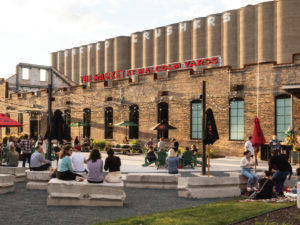
10: Market at Malcolm Yards Eyes Second Location in St. Louis Park
Nearly four years after launching the food hall concept in Minneapolis, owner Patty Wall is looking to expand.
Her goal was to open a 40,000-square-foot hall with 14 kitchens and a rooftop deck in the West End development. Wall told TCB this fall she needs an adjustment to state liquor laws before she can proceed. She is hoping for good news from the 2026 legislative session.
Published on February 10.
9: The UNFI Debacle: Lessons Learned for Grocers
A cyberattack in 2025 left United Natural Foods Inc. (UNFI) unable to service the many local grocery stores for which it is the primary wholesaler.
It took over a week for the company to return to normal operations.
Published on June 19.

8: Cargill CEO Braces for Trade Disruptions
Brian Sikes addressed challenges ranging from worker housing to employee safety in Ukraine.
Describing Cargill as a pro-trade global company, Sikes said leaders need to think through what a tariff conflict could trigger.
Published on February 26.
7: Inside Life Time’s Pivot to Luxury
Covid brought the Chanhassen-based fitness giant to its knees. Half a decade later, the company was running with the vigor of a startup.
The company reinvented itself as a luxury brand reinventing its business model and customer niche and the financial results continue to be nothing short of success.
Published on February 12.

6: Metal Fabricator Lays Off About 145 Workers
Plymouth-based J&E Companies, closing Minnesota locations, cited “financial difficulties and circumstances.”
Layoffs began in early June, and some employees saw retention “for a limited period of time,” according to a letter sent to the Department of Employment and Economic Development.
Union workers were unaffected.
Published on June 9.

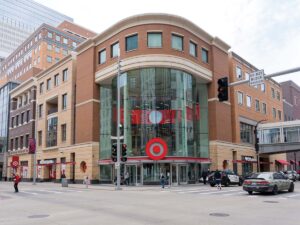
5: Off the Mark: What’s Gone Wrong With Target?
CEO Brian Cornell took over a Target in crisis and is preparing to retire in 2026 from a company beset by malaise.
Target’s sales missed expectations, and its stock tumbled in 2025. TCB associate editor Erik Tormoen discussed how Target’s authenticity challenges, grocery dilemmas, and misfired ambitions have led the Minnesota-based company to struggle in recent years.
Published on August 11.

4: Minnetonka-based E-Commerce Firm Digital River to Shut Down
The company laid off 122 employees locally and wound down global operations elsewhere.
Founded in 1994 by serial entrepreneur Joel Ronning, Digital River built a niche processing online payments around the world for several brands. The firm said it helped customers “simplify global expansion” by removing the “burden and complexity of cross-border selling.”
Published on January 28.

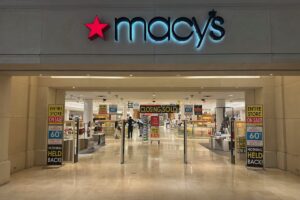
3: What Will Replace Macy’s in Maplewood and Burnsville?
Macy’s permanently closed in both the Maplewood Mall and Burnsville Center in early 2025. Now, both “second tier” Twin Cities shopping malls must find relevance beyond department stores.
Ben Hamd, the managing director of Brookwood Capital Advisors, which owns the center parcel of Maplewood Mall, told TCB earlier this year that while it’s too soon to name names, interested parties for the anchor space at the mall lean heavily into experiential retail.
Published on February 7.
2: Dear Minneapolis: Uptown is Dying. Here’s What We Should Do About It
TCB contributor Molly Mogren Katt said Uptown is no longer cool.
Young people don’t want to be there. She asked can we stop trying to force Uptown back into what it was, and give it the renaissance it deserves?
Published on February 3.

1: Target Issues Return-to-Office Orders
Target department leaders issued a companywide mandate requiring multiple days back at Minneapolis headquarters starting in early September. (Not all departments were affected equally. Some remain remote.)
Because of its high-profile presence and downtown’s continued struggle to regain a critical mass of daily workers post-pandemic, the company had been closely watched and scrutinized for its liberal work-from-home policy.
Published on July 10.