Advancing Racial Justice: Melanin in Motion
Anthony Taylor remembers when the outdoors was inextricably linked to Black culture. Hunting, fishing, and gardening were essential skills for previous generations navigating life in the South. But in the 20th century, after Southern African Americans’ historical migration to cities, Black identity in America has become more associated with urban living. Thus, Taylor is working to remind Black youths in the Twin Cities that outdoor adventure is accessible—and vital—to well-being. Even in the winter.
“The most sinister aspects of systemic racism and historical marginalization are their internalized aspects,” says Taylor, who founded Melanin in Motion in 2017 as a program offered by the Cultural Wellness Center of Minneapolis. “We believe sometimes that if I’m going to do the things I love to do [outdoors], it’s just going to be me and my white friends.”
Melanin in Motion hosts affordable programming for all ages—offering a pay-what-you-can option to take part in outdoor activities like paddling, snowboarding, and cross-country skiing. The activities provide connecting points for personal identity, generational roots, and liberation.
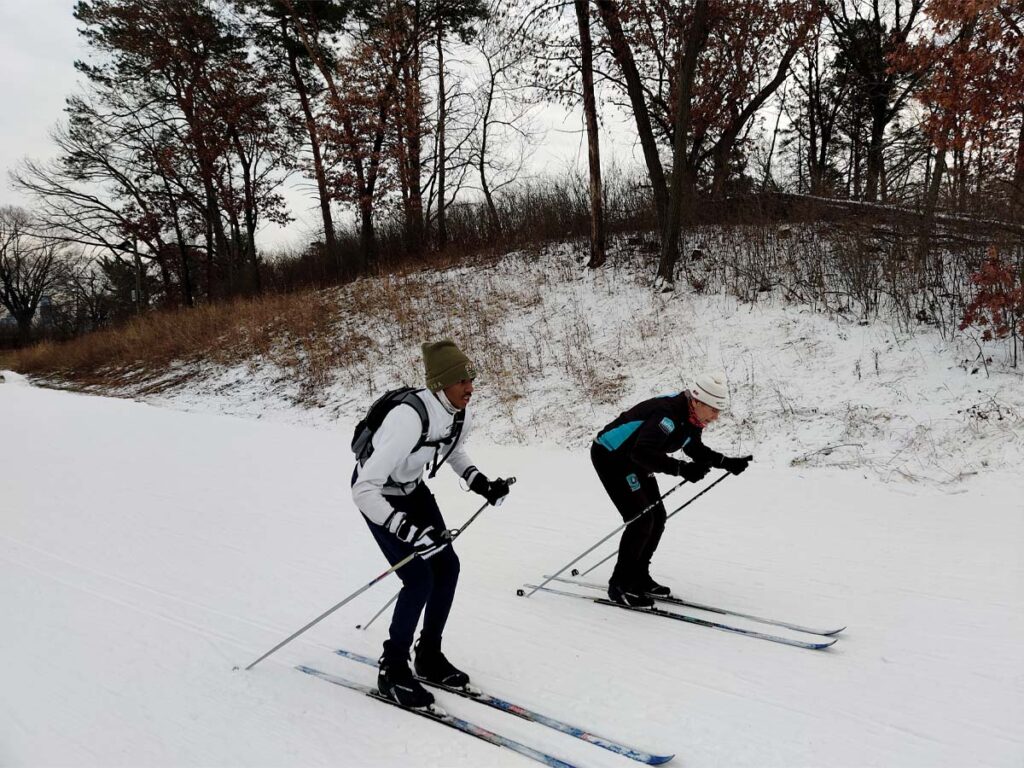
Taylor emphasizes that Melanin in Motion is BIPOC movement, literally and figuratively. Black marginalization has always been about controlling where individuals and groups could go and exist, he explains. Slavery, redlining, Jim Crow, mass incarceration, and zoning policies were all specifically designed to control people’s mobility.
When people are made to believe they can’t do what they love, Taylor says, it can create self-limiting and internalized barriers that destroy their hope for happiness.
Melanin in Motion exists to change that narrative. “We give people a second opportunity to have a positive connection to their body,” Taylor says. “That idea of finding yourself a positive emotional connection, a new relationship to your body, those are all outcomes. It really makes a difference in your life.”
The impacts extend far beyond sports. The organization’s mission and activities have been described in college application essays by several teens every year after they participated in the programming. “Black joy below 32 degrees” has become a slogan for Melanin in Motion participants, including some who haven’t had much joy in their lives. BIPOC communities are coming together to connect and learn from one another in the outdoors.
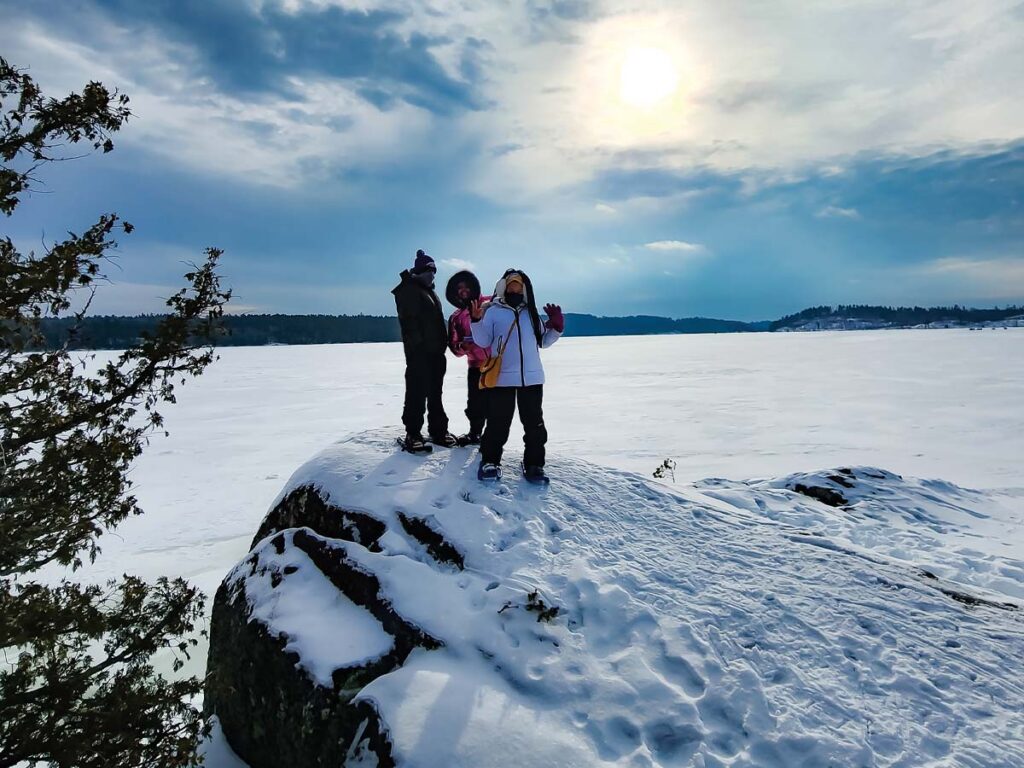
Adventures like the organization’s weekly Friday-night field trip to Wisconsin, currently averaging more than 100 attendees, were jarring to staff and athletes unaccustomed to sharing the slopes with people who did not look like them, Taylor says.
“They had never seen 100 Black folks, Somali women in hijabs, snowboarding,” Taylor says, describing some skiers’ reactions. “It’s so subtle and symbolic.”
Whether it’s diversifying the slopes or using phonetic name tags to deter microaggressions from people unwilling to learn names, building the health and wealth of BIPOC communities is just the start, according to Taylor. Looking forward, he envisions equitable green infrastructure in the Twin Cities that makes things like bike lanes tools for Black residents rather than simply one more stripe on the road.
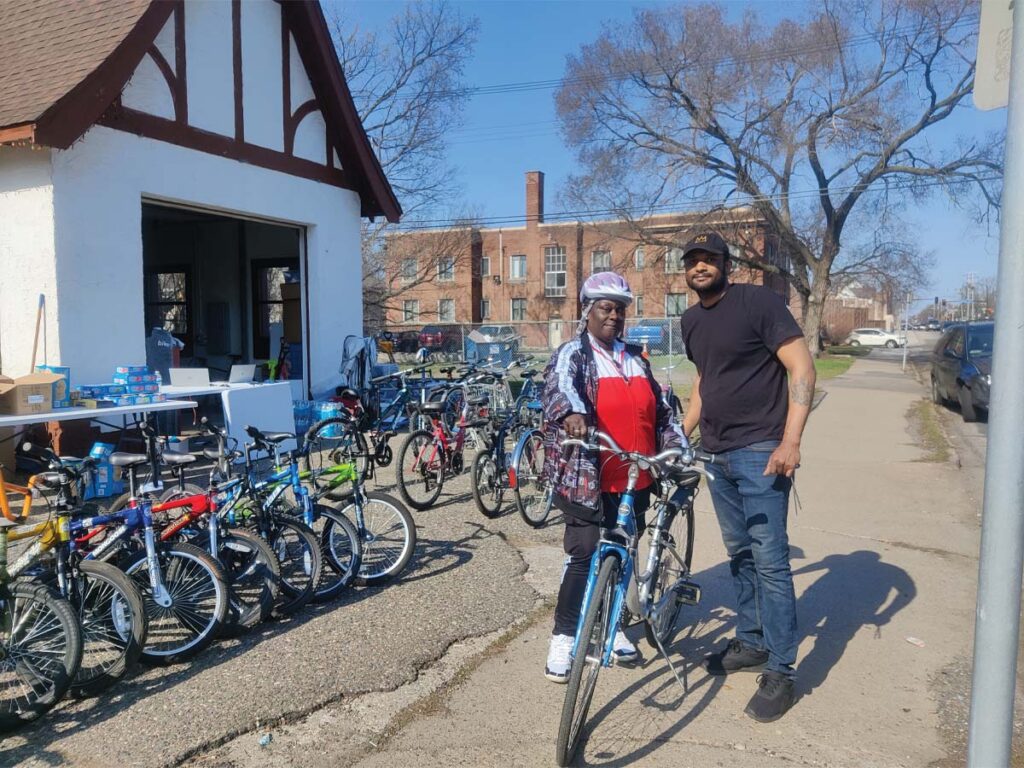
“We are part of the solution,” Taylor says. “If you build a relationship to nature, outdoors, and adventure in the Twin Cities and find a community of people you do that with, you will never leave the Twin Cities.”