Coworking in the North Woods
 Success, for many Minnesotans, is getting to spend weeks on end “up north” at the family cabin. Such is the life that Carson Kipfer has created, following the sale of SportsEngine, the groundbreaking sports management platform he and his co-founders sold to NBC Sports in 2016. Since leaving the Minneapolis-based company in 2019, Kipfer has been part of several tech startups, including his latest, Monoline, an umbrella insurance quoting platform that will likely follow a similar trajectory of launch-scale-sell.
But spending time with his family in Hayward, Wisconsin, has given Kipfer perspective on going slower and finding work-life “harmony” in the woods.
“I’ve been thinking for the past few years about how to get into a professional rhythm in a rural area,” Kipfer says. “There are a lot of people who have moved here in the last five years from bigger cities. They’re looking for a slower pace, but they don’t want to be a hermit.”
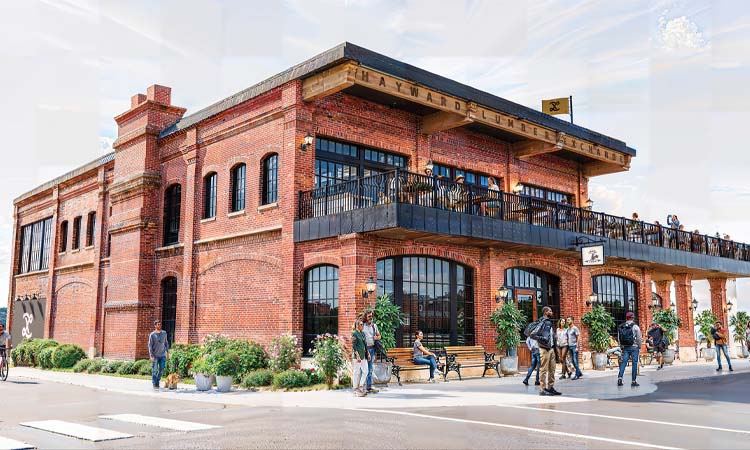
Certain that others want to combine the up-north life with workday conveniences, Kipfer is developing the Lumber Exchange coworking space. Tagline: “Let the forest reset your compass, and together, we’ll reimagine the workday.”
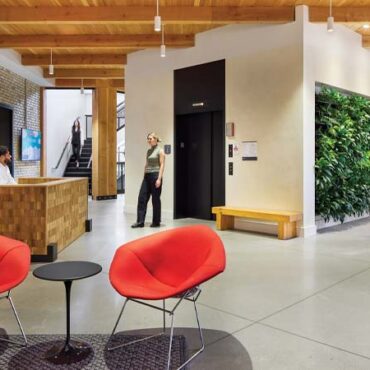
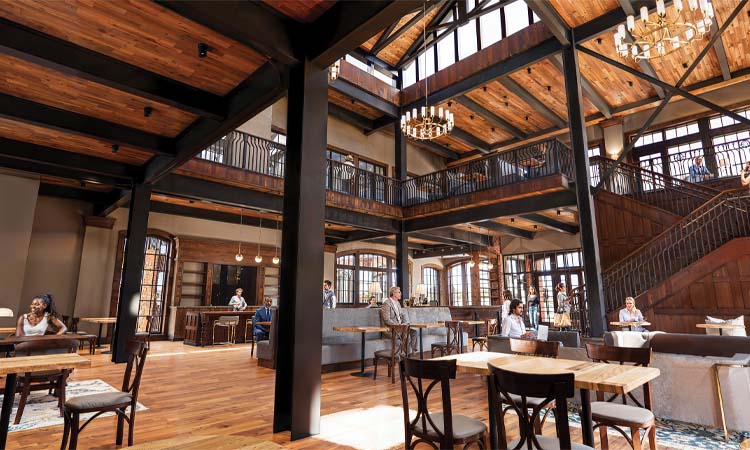
Located at the corner of Main Street and Highway 63 where a hotel once stood, Kipfer’s blueprints for the modern lodge-like building under construction include an open work lounge, private offices, a deck, fire pit, coffee bar, and conference rooms. From the summer population swell to events like the Birkebeiner cross-country ski event that draws tens of thousands to Hayward in February, the Lumber Exchange will accommodate daily visits and monthly membership, destination conferences and brainstorm sessions.
“What really makes it unique is not the coworking, but how it integrates into the community,” Kipfer says. “You can be really productive and be steps away from lakes and trails.”
The Lumber Exchange is slated to open in July 2026. Kipfer insists this is a “one and done”—something special he’s developing (with his own capital) just for Hayward. “What’s really fun as a designer is to think less about scale and more about building for a single space. We’re not making generic decisions that can be easily replicated. The freedom that comes with that is incredible.”
This experience is influencing how he approaches his tech ventures as well. Kipfer has replaced that startup mantra “Move fast and break things” with a “Go slow and find harmony” mindset.
“Work-life balance implies it’s got to be perfectly even at all times. That’s just not realistic—things ebb and flow. Sometimes professional obligations take the lead; other times they can take a back seat. That feels more attainable,” Kipfer says. “I think it would be great if VC firms could encourage founders to be healthier—encourage them to take that space. It’s not about how hard you’re pushing; it’s thinking through what it takes for a leadership team to be healthy and sustainable.”
Trading Hustle for Harmony
How Carson Kipfer designs his workday
 Morning: “Non-negotiable. I have coffee with my wife, breakfast with our boys. I hold tight to our family’s morning routine and plug in at 8:30.”
Midday: “The traditional startup mentality is ‘always on.’ Instead of thinking about how long you can go, I’ve found I can box my time and provide windows where I can get into the flow and be really productive in a shorter time. It’s higher impact than being at a desk for 10 hours.”
Flexibility: “I have this great founding team that shares the same values. We’re up front and deliberate about our priorities to set expectations. We encourage each other to take time and focus on things outside of [current startup] Monoline. We pick up for each other.”
Odd hours: “Turning it off completely is not the goal. When you make space for other things that matter, you don’t mind those times when professional obligations take the lead.”